Pretzel Rolls

Homemade pretzel roll

Oktoberfest has officially passed… I actually just discovered that. For years I thought Oktoberfest was celebrated all month long, but a quick google search revealed that Munich has already moved on and begun planning Oktoberfest 2016.

IMG_7709Well, I’m not telling. Either way, it’s still October and my culinary wanderlust is craving soft pretzels, bratwurst, sauerkraut, and mustard to go with it all. Every fall, brats and sauerkraut enter the dinner rotation at White House Red Door. One year around this time, probably for Halloween, I made “witches fingers” with homemade pretzel dough. The fingers- or pretzels seemed a natural accompaniment to the brats, so I thought instead of a “finger” or traditionally shaped pretzel, why not a roll?

Have you ever had a pretzel rolls? They turn humble fillings into something special. From burgers to cold cuts to peanut butter and jelly (which my middle guy makes himself for lunch everyday), they all taste better on a pretzel rolls.  They arePretzel bun with mustard terrific for a snack on their own or with some spicy brown mustard for dipping. White flakes of crunchy sea salt contrast beautifully with the deep golden brown chewy texture.

This recipe makes pretzel dough and while I’ve made rolls, the final form is entirely up to you.  This same dough can easily be transformed into traditional pretzels, “witches fingers,” or even letters for the pre-school set.  It’s entirely up to you.  Remember, have fun and play with your food!Homemade pretzel bun
  • Servings: ”8-10
  • Print

*adapted from Alton Brown

Ingredients:
1 ½ cups warm (110°-115° F) water
1 Tablespoon sugar
2 teaspoons kosher salt
1 package (2 ¼ teaspoons) active dry yeast
22 ounces all-purpose flour, approximately 4 ½ cups
2 ounces unsalted butter, melted
vegetable oil, for pan
10 cups water
2/3 cup baking soda
1 large egg yolk beaten with 1 Tablespoon water
coarse or flaked sea salt

Instructions:
Combine water, sugar, and salt in the bowl of a standing mixer fitted with a dough hook and sprinkle the yeast on top. Allow to sit for 5 minutes or until the mixture begins to foam.

Add the flour and butter and, using the dough hook, mix on low speed until well combined. Change to medium speed and knead until the dough is smooth and pulls away from the side of the bowl, approximately 4-5 minutes. Remove the dough from the bowl, clean the bowl and oil it well with vegetable oil. Return the dough to the bowl, rolling it around so it is lightly coated in the oil used to grease the bowl. Cover with a slightly damp dish towel or plastic wrap and place in a warm spot for 50-55 minutes, or until the dough has doubled in size.

After the dough has risen, preheat the oven to 450°F. Line 2 half sheet pans with silicone mats, or parchment paper lightly brushed with vegetable oil. Set aside.

Bring 10 cups of water and the baking soda to a rolling boil in a large saucepan or stockpot.

Turn the dough out onto a lightly oiled surface (I did not do this, just a regular wooden cutting board worked for me- not oiled). Divide the dough into 8-10 equal pieces. Form dough into balls- by rolling and shaping with your hands. Using a very sharp knife or pair of scissors cut an X in the top of each roll. Place each roll onto a lined sheet pan.

Place the pretzel rolls into the boiling water, one by one, for 60 seconds, flipping them at the 30 second mark. Remove them from the water using a slotted spoon or similar tool. Return to the half sheet pan, 4-5 rolls per pan. Repeat until remaining rolls are done.

Brush the top of each pretzel roll with the beaten egg yolk and water mixture and sprinkle with coarse or flaked sea salt. Bake one batch at a time until deep golden brown in color, approximately 15 minutes, or the bottom of the bun sounds hollow when rapped with your knuckles. Transfer to a cooling rack for at least 5 minutes before serving.

Yeast is foaming.
It’s alive! The yeast is working when it starts to foam.
Adding flour and melted butter to yeast mixture
Add the flour and melted butter to yeast mixture.
Using a dough hook attachment to knead the dough.
Using the dough hook attachment, knead the dough until it pulls away from the sides of the bowl.
Pretzel dough in a well oiled bowl.
Put the dough into a well oiled bowl, turning to coat several times. Cover and place in a warm draft free spot until doubled in bulk.
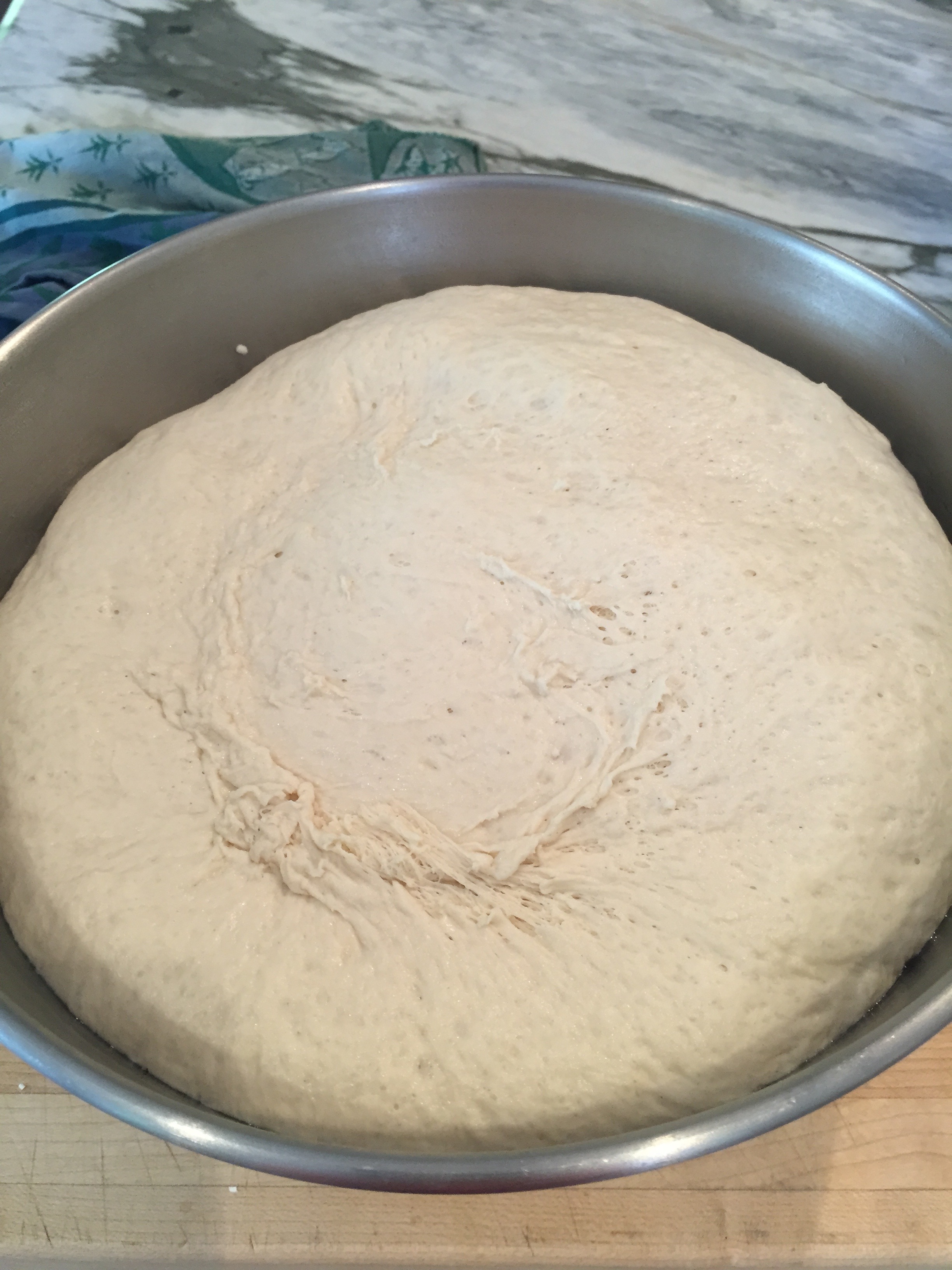
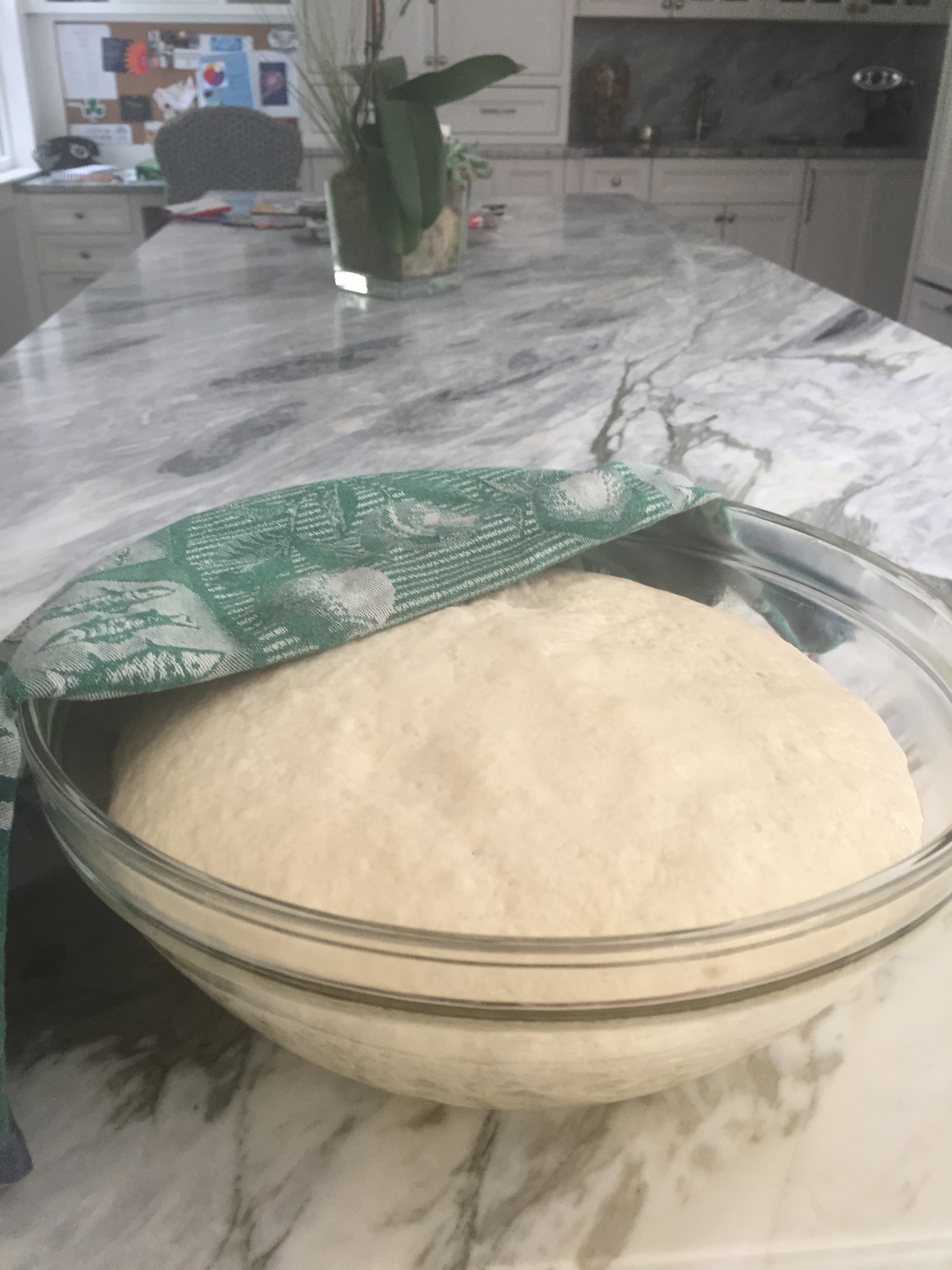
Risen Pretzel Dough
After 50-55 minutes the pretzel dough has doubled in bulk.
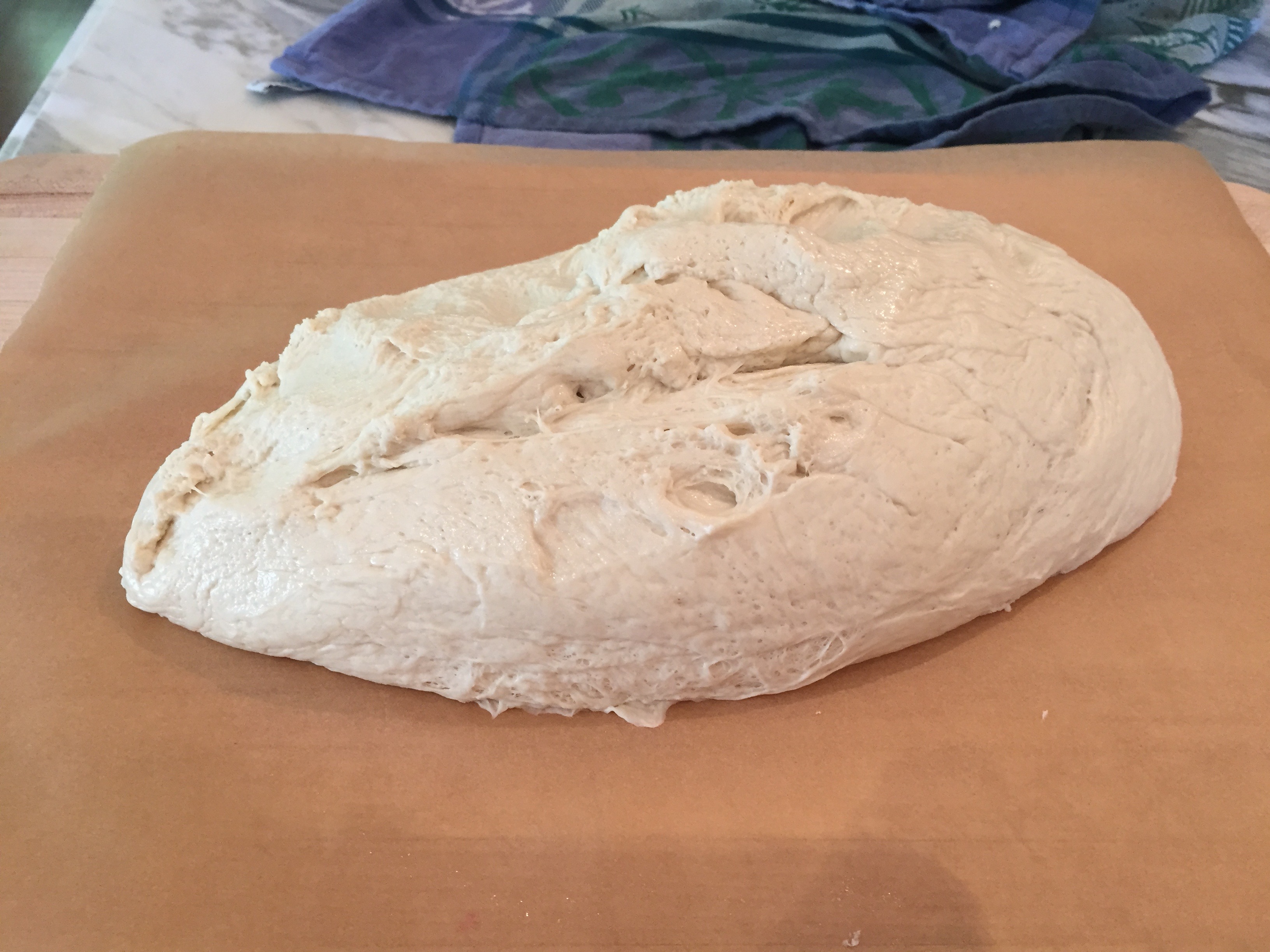
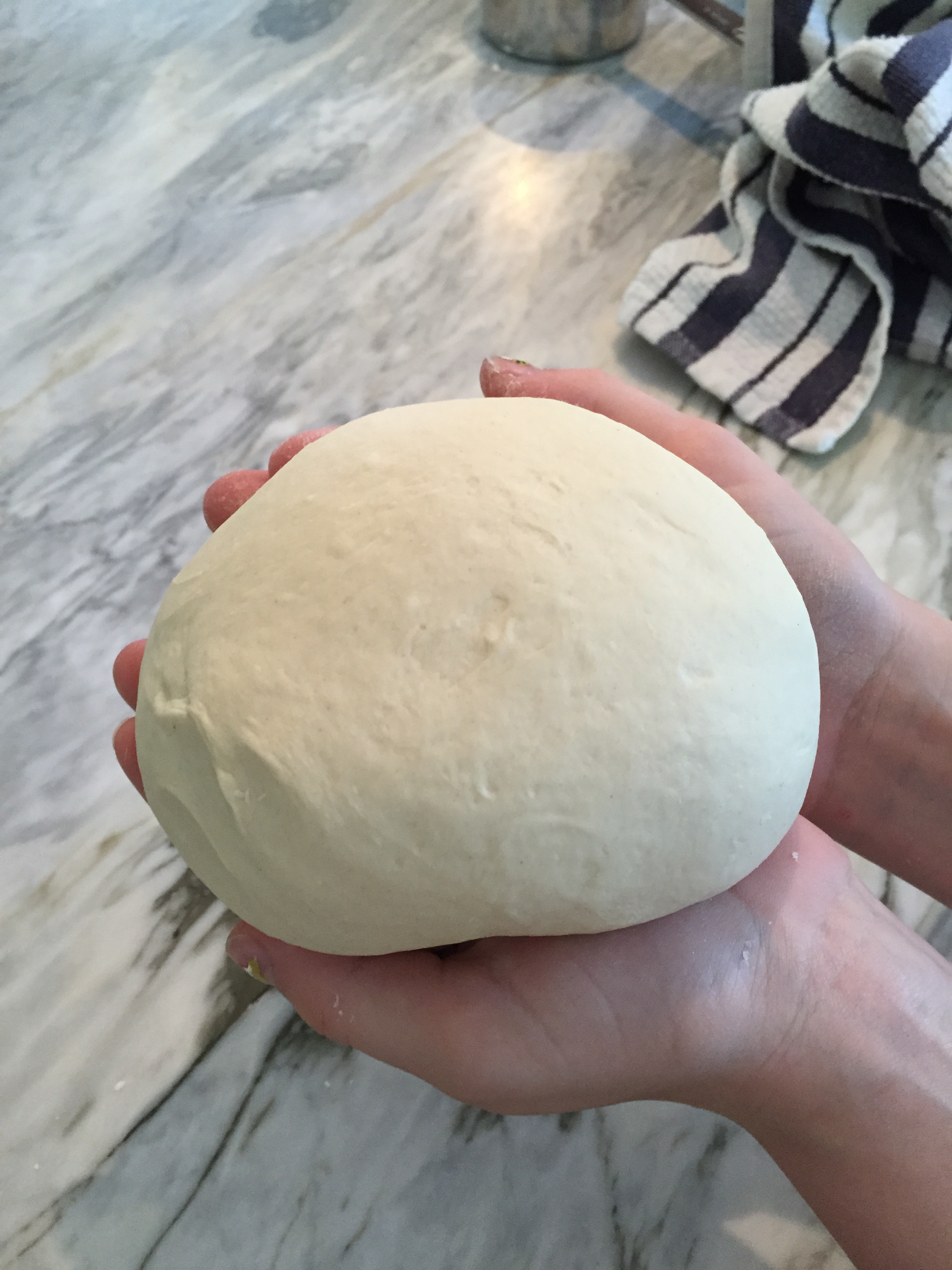
Pretzel dough on a cutting board.
Turn the dough out onto a cutting board or parchment paper.
Pretzel dough divided into 8 equal pieces.
Divide the dough into 8-10 equal pieces.
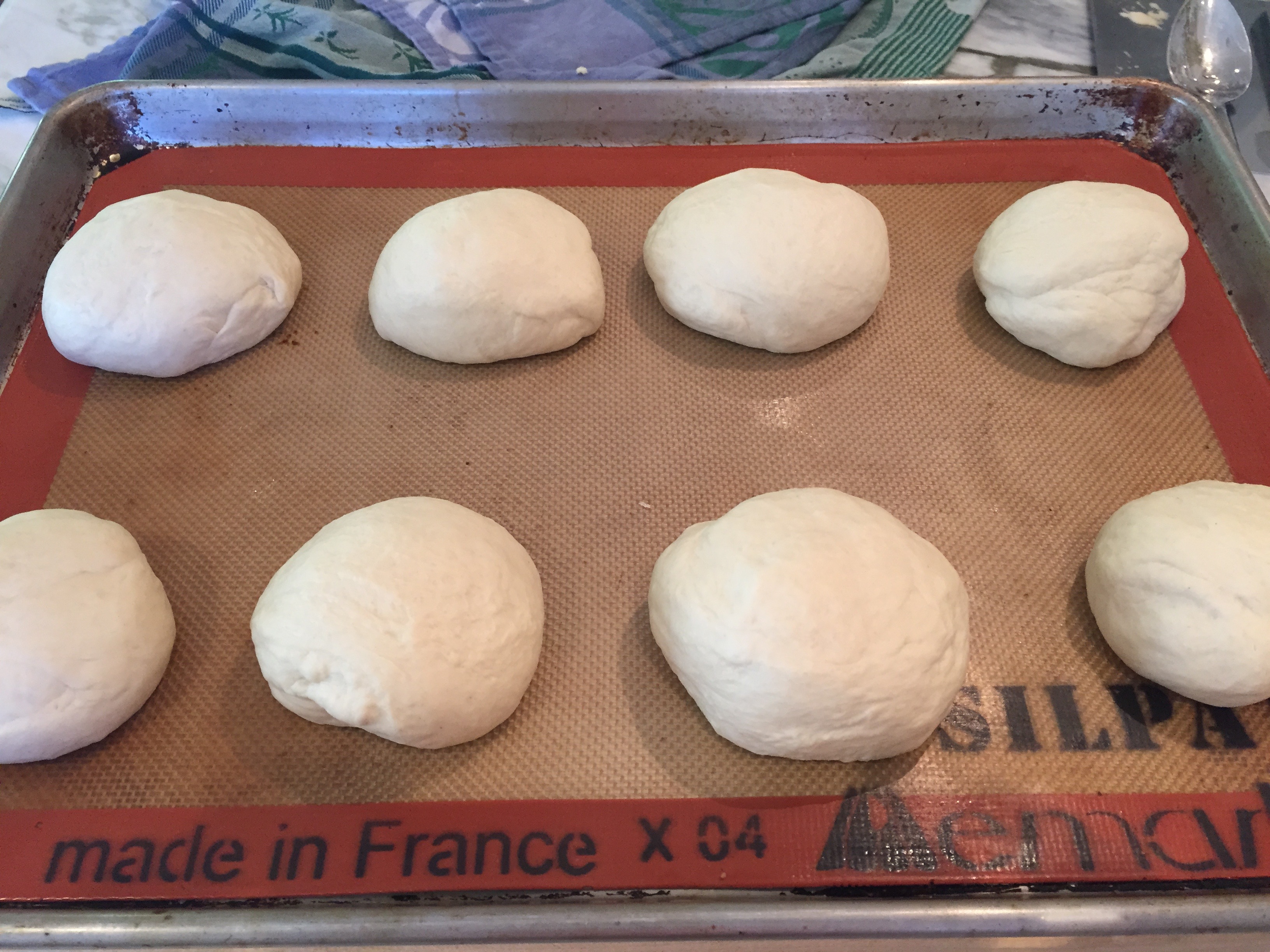
Raw pretzel buns on silicone lined sheet pan.
Roll and shape dough into rolls and place on silicone or parchment lined sheet pan.
Use a sharp knife to cut an 'x' on the top of each bun.
Using a sharp knife or pair of scissors, cut an ‘x’ on the top of each roll.
Dropping the pretzel bun into boiling water/baking soda mixture
One by one, use a slotted spoon or similar utensil to drop each roll into boiling water/baking soda mixture for 1 minute. Flip after 30 seconds so that top and bottom are evenly cooked.  Transfer to lined sheet pan. Repeat process with each roll.
Egg washed buns sprinkled with flaked sea salt.
Brush the rolls with egg wash and sprinkle with coarse or flaked sea salt. Bake 15 minutes in a 450°F oven or until deep golden brown.
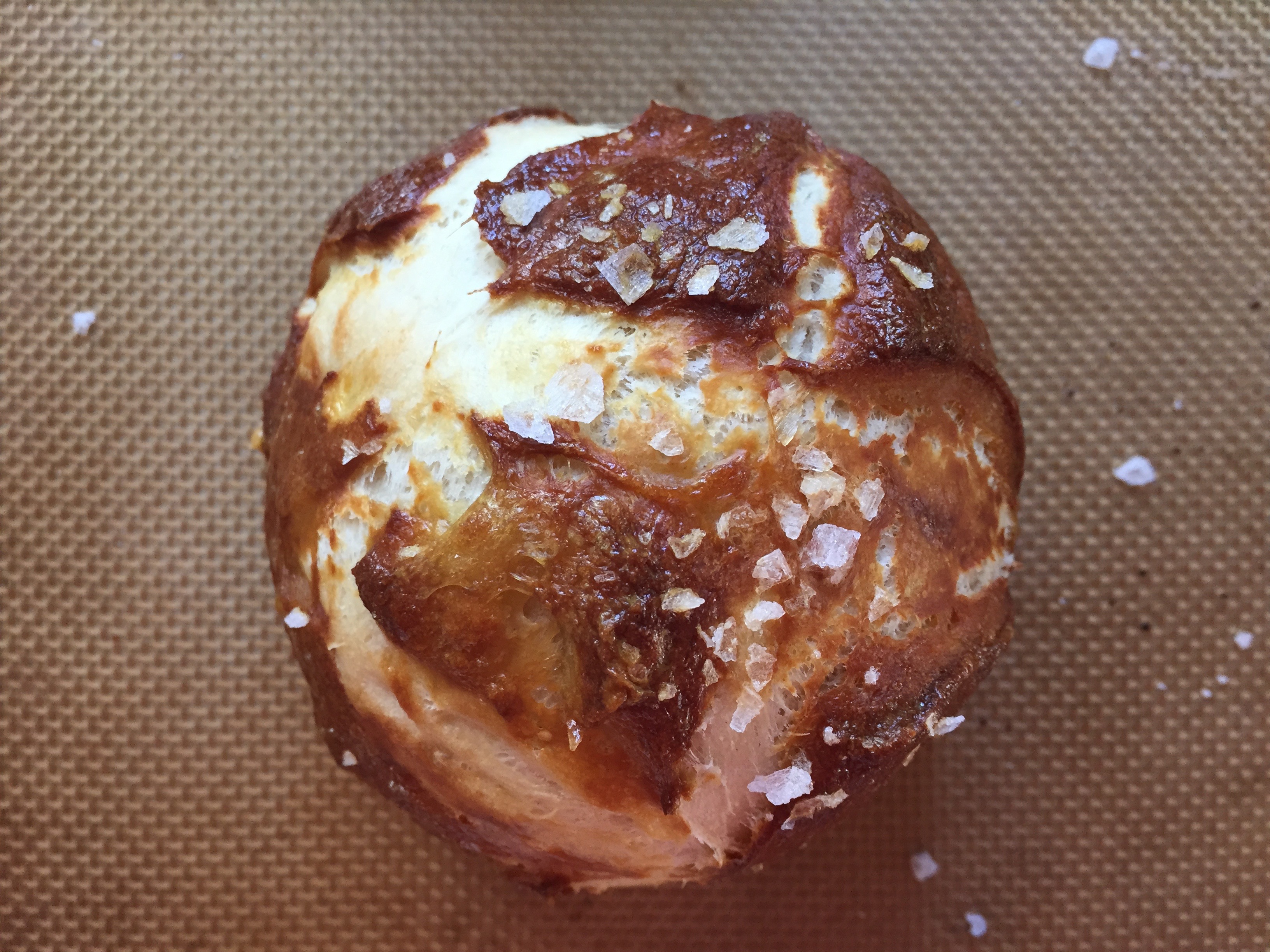
Deep golden brown homemade pretzel buns.
Rolls are done when they are a deep golden brown and sound hollow when rapped on the bottom with your knuckles. Allow to cool at least 5 minutes before digging in.

Pumpkin Bread

Pumpkin bread sliced on cutting board.

Fall Container The sounds and smells of fall are predictably familiar and comforting. I’ve known them all my life, hearing the chorus of geese honking to one another as they head south, smelling the smoke from a pile of leaves drifting from a backyard, and feeling the crispness in the air as a child trick or treating or walking to school. Even as an adult the pattern continues, the leaves still crunch underfoot, rustling and swirling in the breeze stirred up as I walk my own children to the bus stop each morning. We often talk about taste memories, but it is the echoes, scents, and displays of fall that bring me right back to childhood each year.
That is not to say that the tastes of autumn go by the wayside. Flavors are warmer, spicier, and richer, adding life to both sweet and savory dishes. On these cool days I crave baking- wanting to fill the kitchen with the colors, flavors, and aromas of fall.

This pumpkin bread recipe fits the bill. Many pumpkin bread recipes call for oil as the fat of choice while this recipe uses butter, which I prefer. The original calls for water or orange juice as the liquid, but I swap in cider, as it seems a better complement to the pumpkin. Another addition is nutmeg, to partner with the cinnamon and cloves. I’ve reduced the sugar, which hasn’t done any harm (and no one notices). Finally, the raisins are completely eliminated instead I occasionally add walnuts.

This makes two large loaves of pumpkin bread, one to enjoy now, one to freeze for another day down the road as we march towards winter.

Pumpkin bread slices on cutting board

Pumpkin Bread

  • Servings: 2 large loaves
  • Print

*adapted from The Martha Stewart Cookbook, Collected Recipes for Everyday

Ingredients:
12 Tablespoons unsalted butter (1 ½ sticks), at room temperature
3 Tablespoons molasses
1 ½ cups sugar
4 eggs
2/3 cup cider
2 cups pumpkin puree, homemade or canned
3 1/3 cups all-purpose flour
2 teaspoons baking soda
1 teaspoon salt
½ teaspoon baking powder
1 teaspoon cinnamon
1 teaspoon ground cloves
1 teaspoon ginger
1 cup coarsely chopped walnuts (optional)

Instructions:
Preheat oven to 350° F. Butter two 9 x 5 x 3-inch loaf pans.

With an electric mixer, cream butter, molasses, and sugar until light and fluffy. Beat in the eggs, one at a time. Beat until light. Add cider and pumpkin purée and mix well.

Sift dry ingredients together into a large bowl, and add the pumpkin mixture, stirring well with a wooden spoon to thoroughly combine. If using the nuts, add them now, folding them carefully into the batter.

Divide evenly into prepared pans. Bake for 1 hour, or until a toothpick inserted comes out clean. Cool in pans for 10 minutes, then turn out onto racks to cool.

*This recipe is easily multiplied and freezes well.

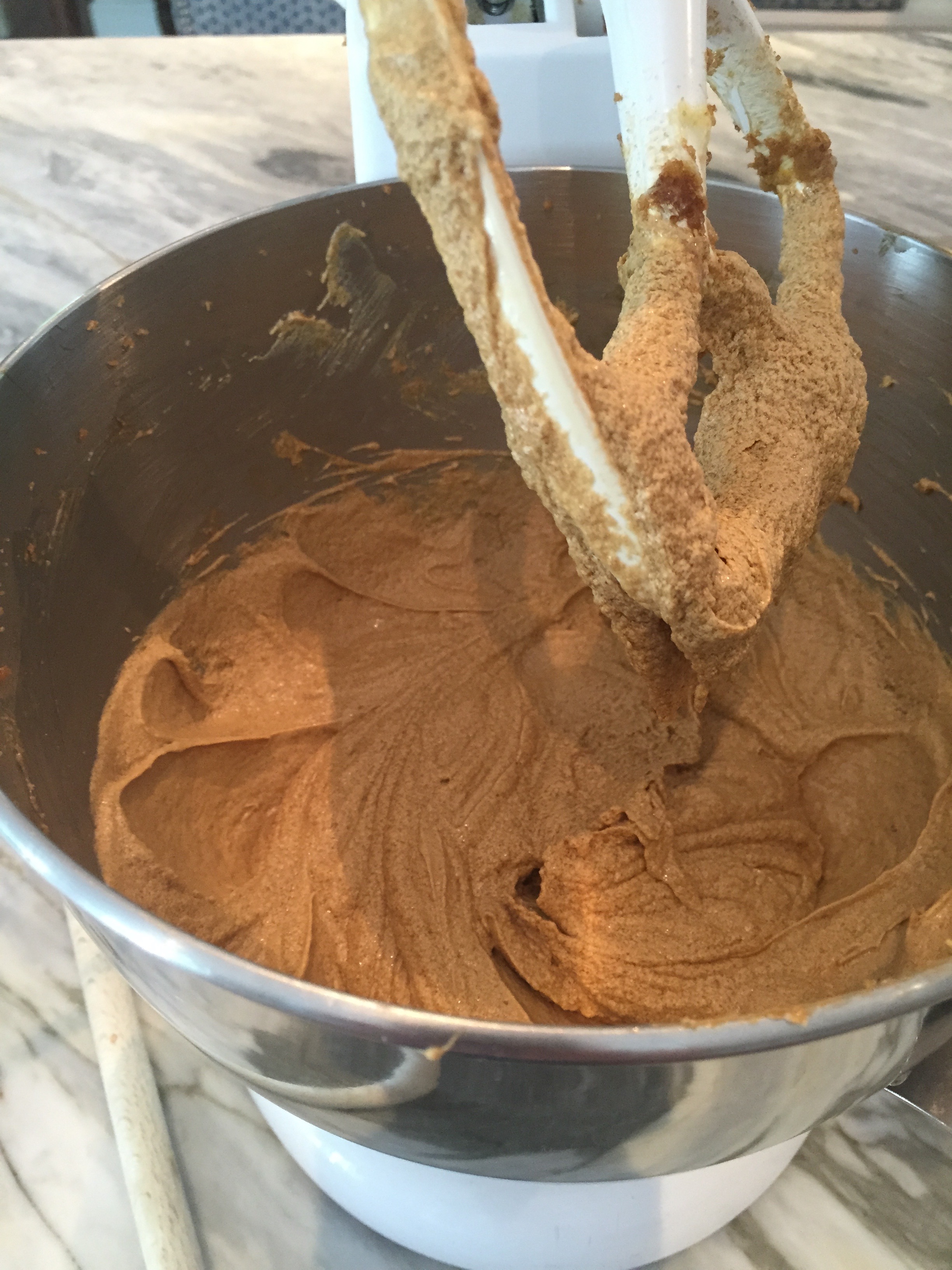
Creaming butter, molasses, and sugar until light and fluffy.
Cream butter, molasses, and sugar until light and fluffy.
Add the eggs one at time to the creamed butter and sugar, beating well before adding the next.
Add the eggs one at time, beating well before adding the next.
Butter, sugar, molasses, and egg mixture is light.
Butter, sugar, molasses, and egg mixture is light and creamy.
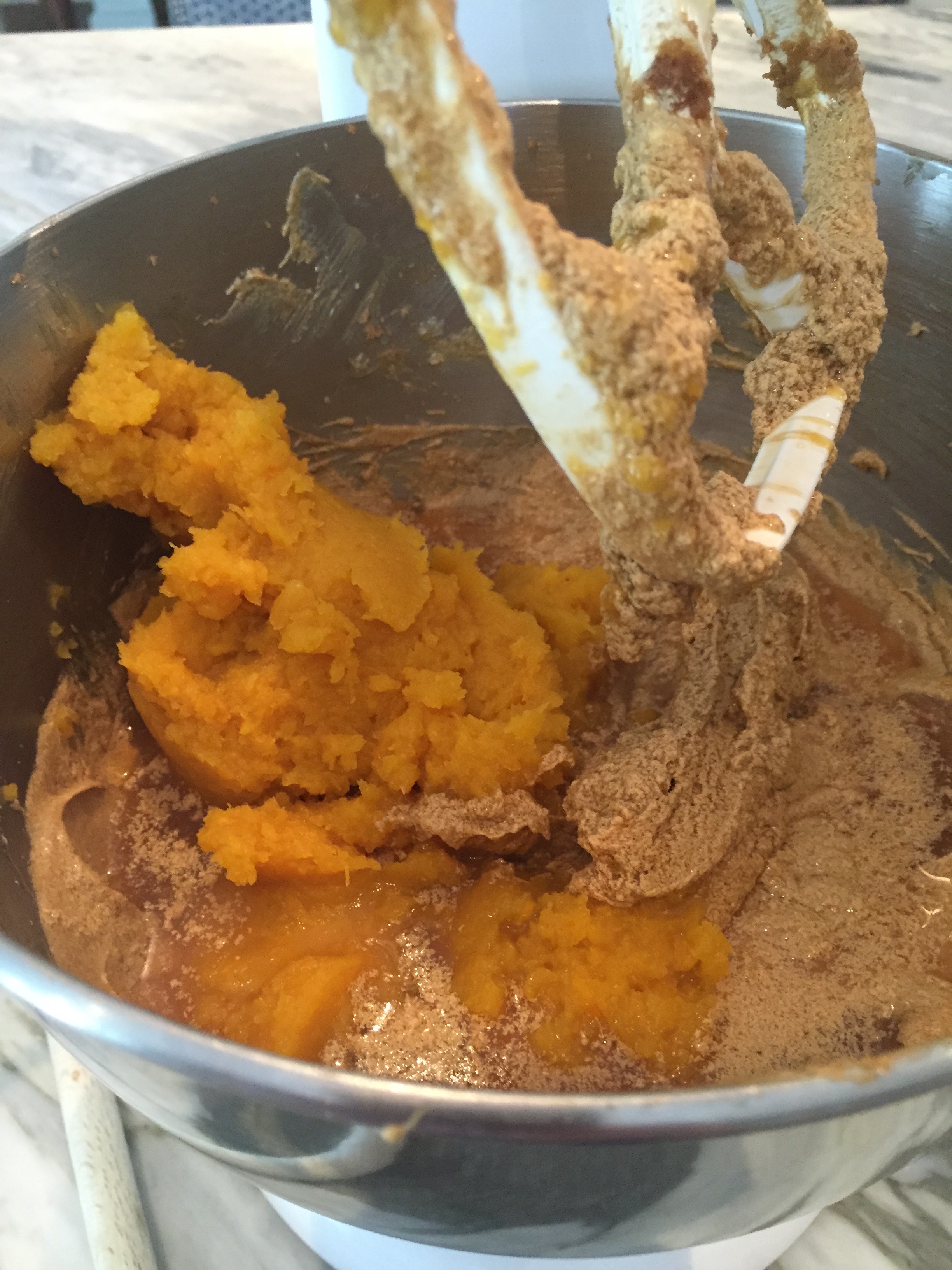
Adding the pumpkin purée and cider to butter, sugar, and egg mixture.
Add the pumpkin purée and cider and mix well.
Curdled looking mixture... not to worry.
Don’t worry! It looks terrible, but it will be ok!
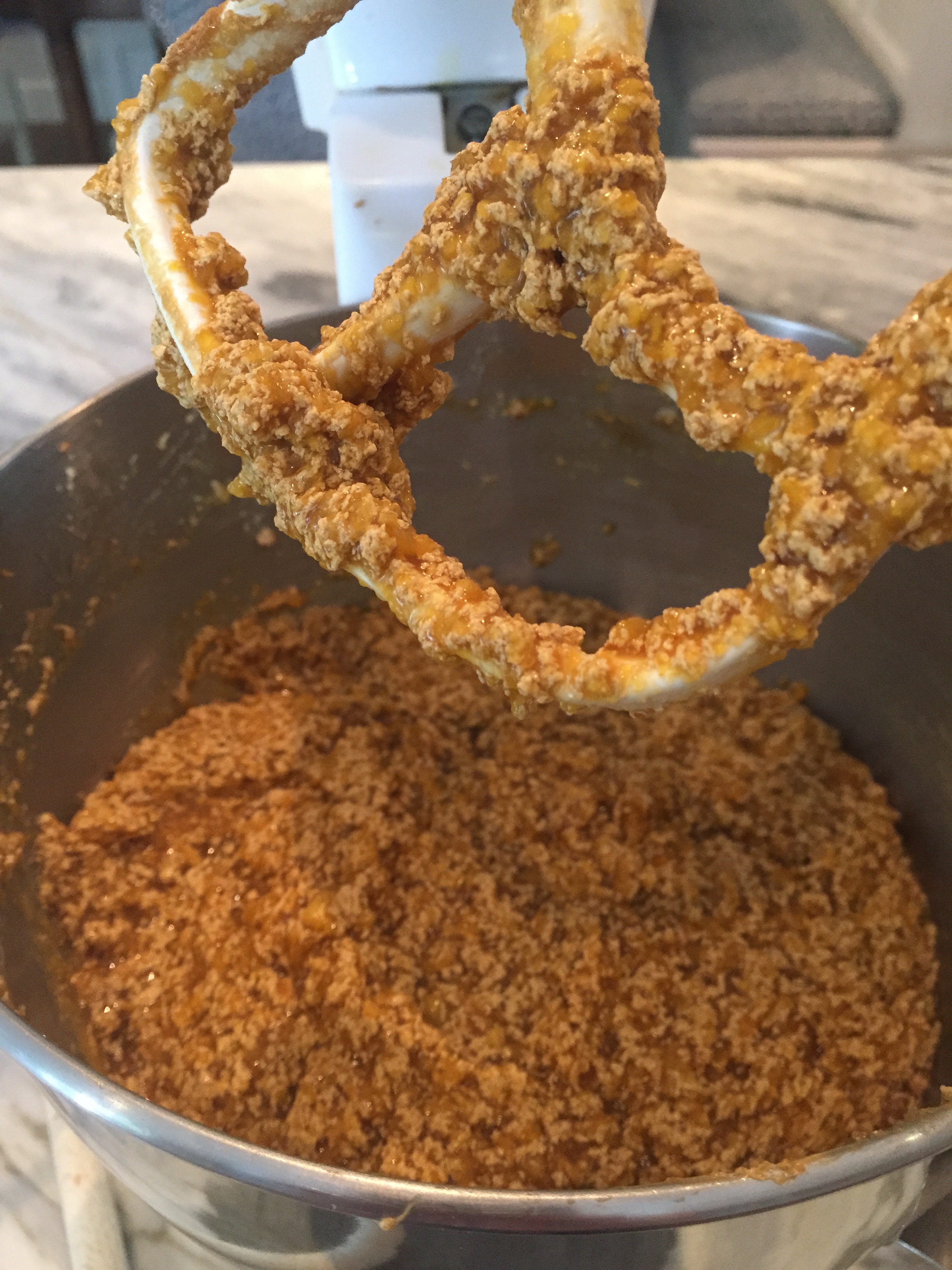
Combining the wet and dry ingredients well with a wooden spoon.
Add the sifted dry ingredients, combining well with a wooden spoon.
Batter in greased loaf pan.
Divide batter evenly into greased loaf pans.
Pumpkin bread in loaf pan
Pumpkin bread is done when a toothpick inserted comes out clean.

IMG_7458


Pumpkin Pancakes

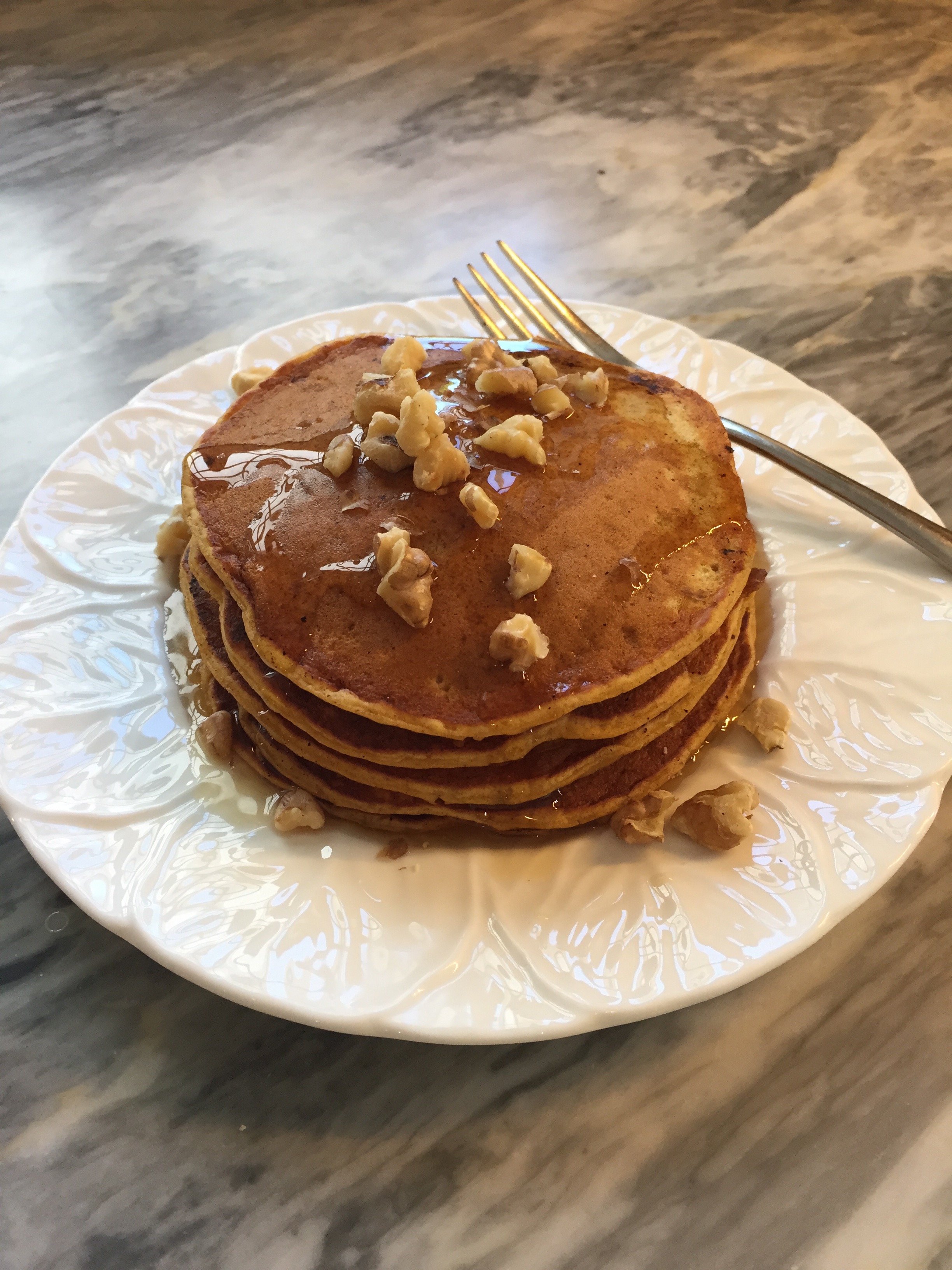
Pumpkin pancakes served with warm maple syrup and toasted walnuts.

Pumpkin PancakeI was going to post about Pumpkin Bread, and tie it together with the Roasted Pumpkin Puree (and I will) but I was seriously sidetracked by some Pumpkin Pancakes. And it was all quite by chance.

My husband is a wonderful cook. Weekend mornings he can be found whipping up the fluffiest pancakes; his chicken parmigiana is unbelievable and he can smoke a Boston butt or deep fry a turkey with the best of them.

This weekend the kids requested pancakes. While dear husband gathered the ingredients, I made the coffee. As I poked my head in the fridge for some half and half, my eyes landed on the last of the pumpkin purée. Eureka moment. “Hey, why don’t you throw this pumpkin in the batter?” Silence. Dead silence. I could hear crickets. Not one to give up I asked, “What do you think?” Long long pause. (Translation- don’t mess with my pancakes.) Finally a reply, “Let’s leave it up to B. Whatever she thinks.” I have to admit, at this point the deal was sealed because I knew exactly what B would say, “Pumpkin pancakes? Yum!”

The regular weekend pancakes were already top notch, but the addition of pumpkin, cider, and the classic spice combination of cinnamon, ginger, allspice, and cloves turned already stellar pancakes into something very special for fall and winter breakfasts (and dinners!).  Gently warmed maple syrup with butter added a touch of sweetness, while the toasted walnuts sprinkled on top provided a satisfying crunch to contrast with the fluffiness of the pancakes.

Needless to say, pumpkin pancakes have been officially added to the rotation at White House Red Door.

Have you ever had that moment of spontaneity in the kitchen? A eureka moment that led to something delicious?

Pumpkin Pancakes with Maple Syrup and Toasted Walnuts

Pumpkin Pancakes

  • Servings: 15-20 pancakes
  • Print

Ingredients:
2 cups all purpose flour
3 Tablespoons sugar
2 teaspoons baking powder
1 teaspoon cinnamon
1 teaspoon ground ginger
½ teaspoon salt
¼ teaspoon allspice
¼ teaspoon ground cloves
3 eggs
1 cup milk
1 cup apple cider
1 cup pumpkin purée
¾ teaspoon pure vanilla extract
3 Tablespoons unsalted butter, melted

For serving:
warm maple syrup with butter
toasted walnuts or pecans

Instructions:
Preheat griddle to 350°-375°.

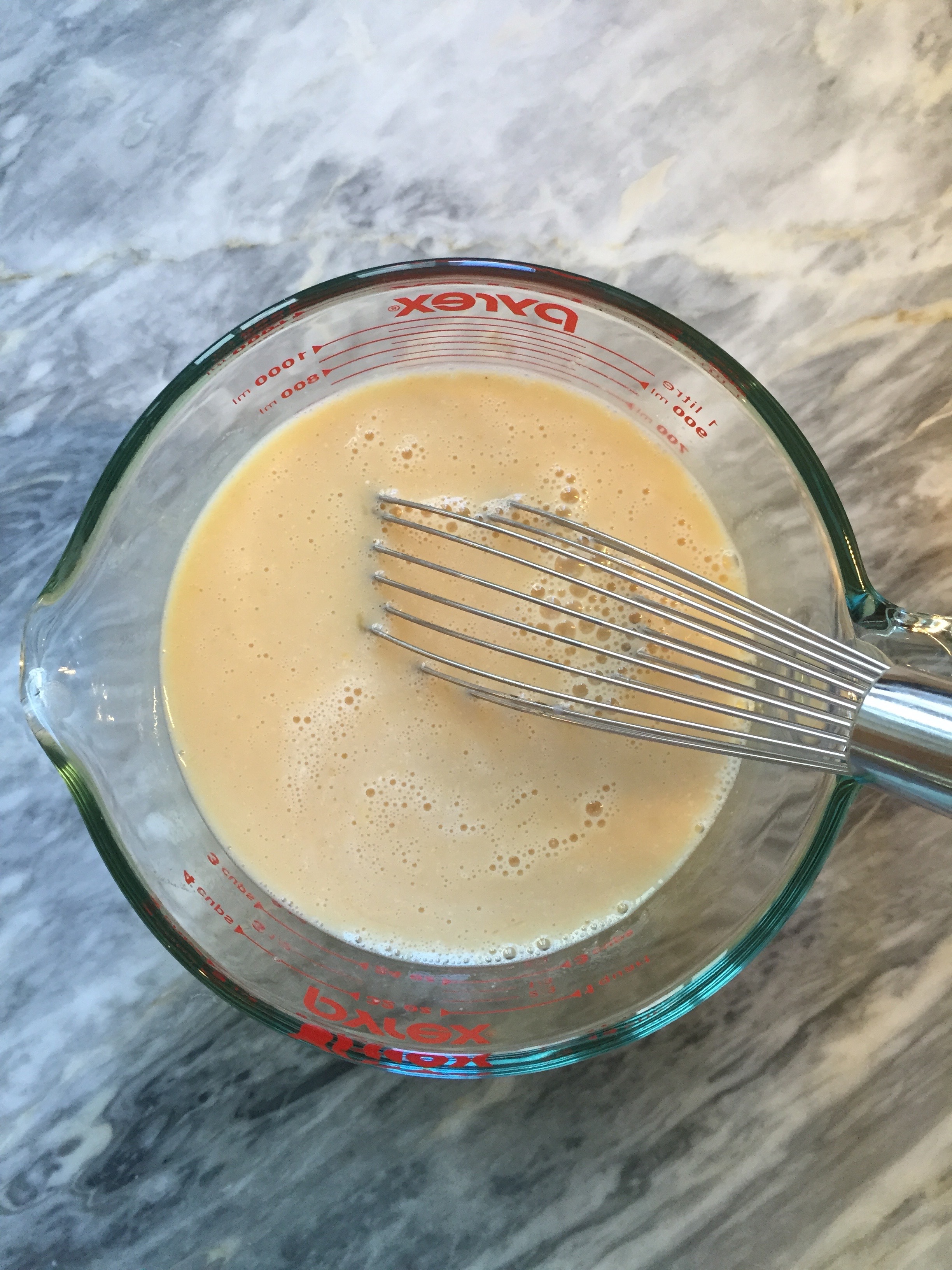
Mix dry ingredients. In a separate container, whisk eggs, then add vanilla, cider, and milk stirring well.

Add the wet ingredients to the dry and whisk until just combined.

Stir in pumpkin, then add melted butter.

When griddle is ready, spoon 1/3 cup batter onto the griddle for each pancake. Cook until the top of each pancake is dotted with bubbles and some have popped open. Carefully flip and cook until the other side is golden brown. Serve immediately with maple syrup and toasted walnuts. Though best enjoyed right away, the pancakes can also be kept warm in a 200° oven until ready to serve.

Pumpkin pancakes dry ingredients whisked together.
Whisk the dry ingredients together.
3 eggs ready for whisking.
Whisk the eggs together.
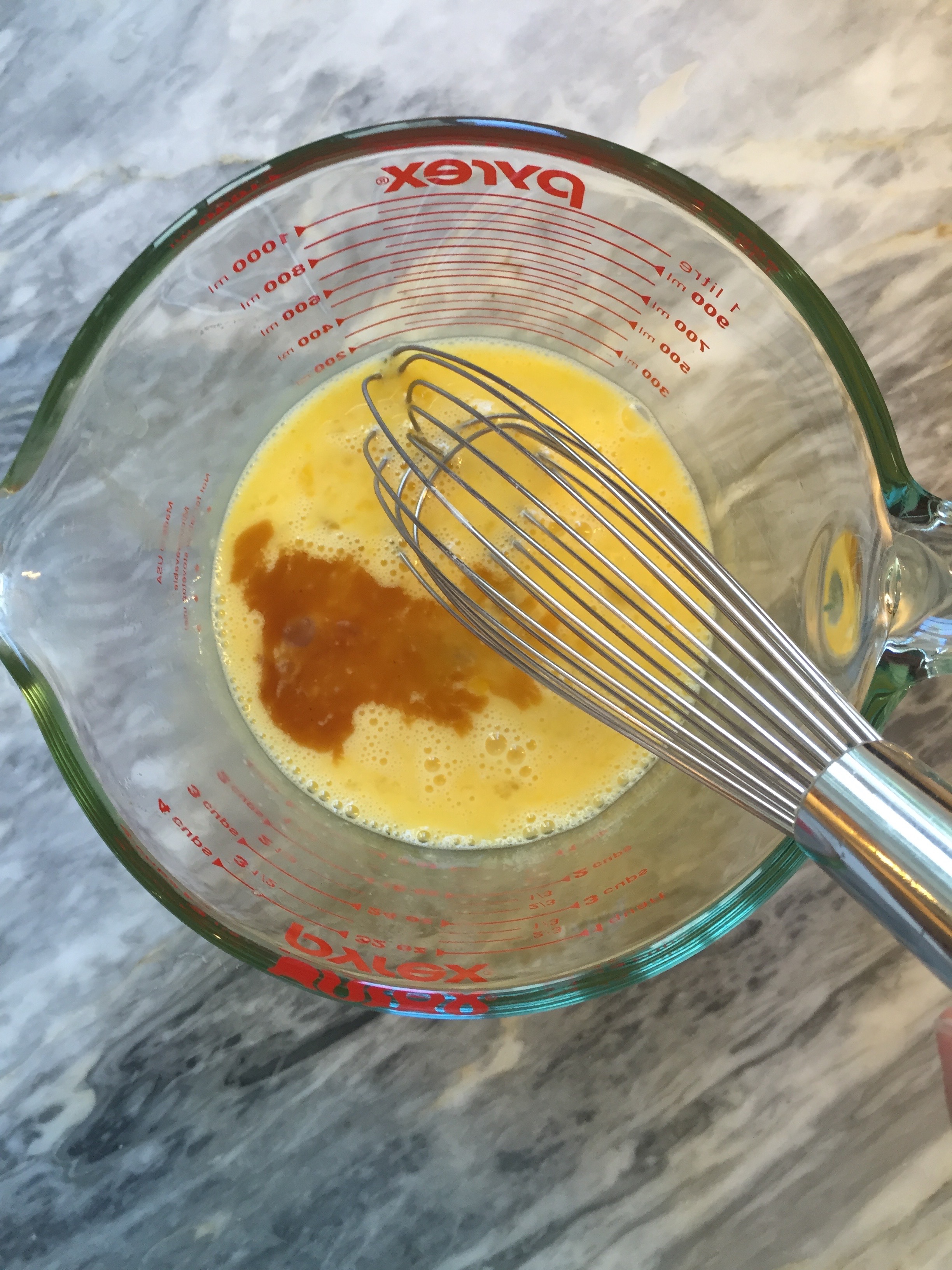
Whisking vanilla into eggs.
Whisk vanilla into eggs.
Whisk cider and milk into egg/vanilla mixture.
Pumpkin Pancakes- gently combine liquid and dry ingredients
Add the liquid ingredients to the dry ingredients and gently combine.
Stir the pumpkin purée into the batter.
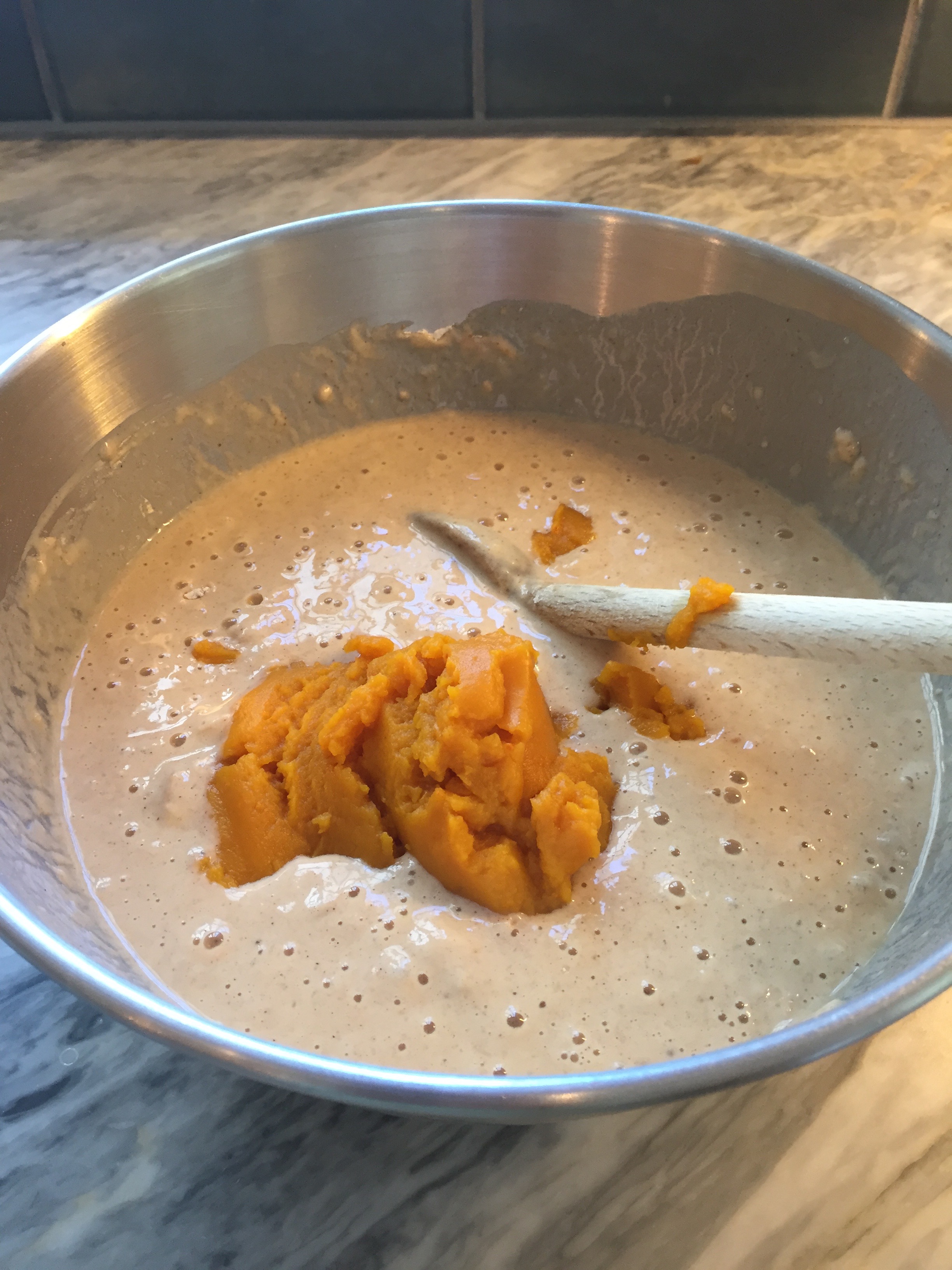
Stir the pumpkin purée to the batter.
Stir melted butter into the batter.
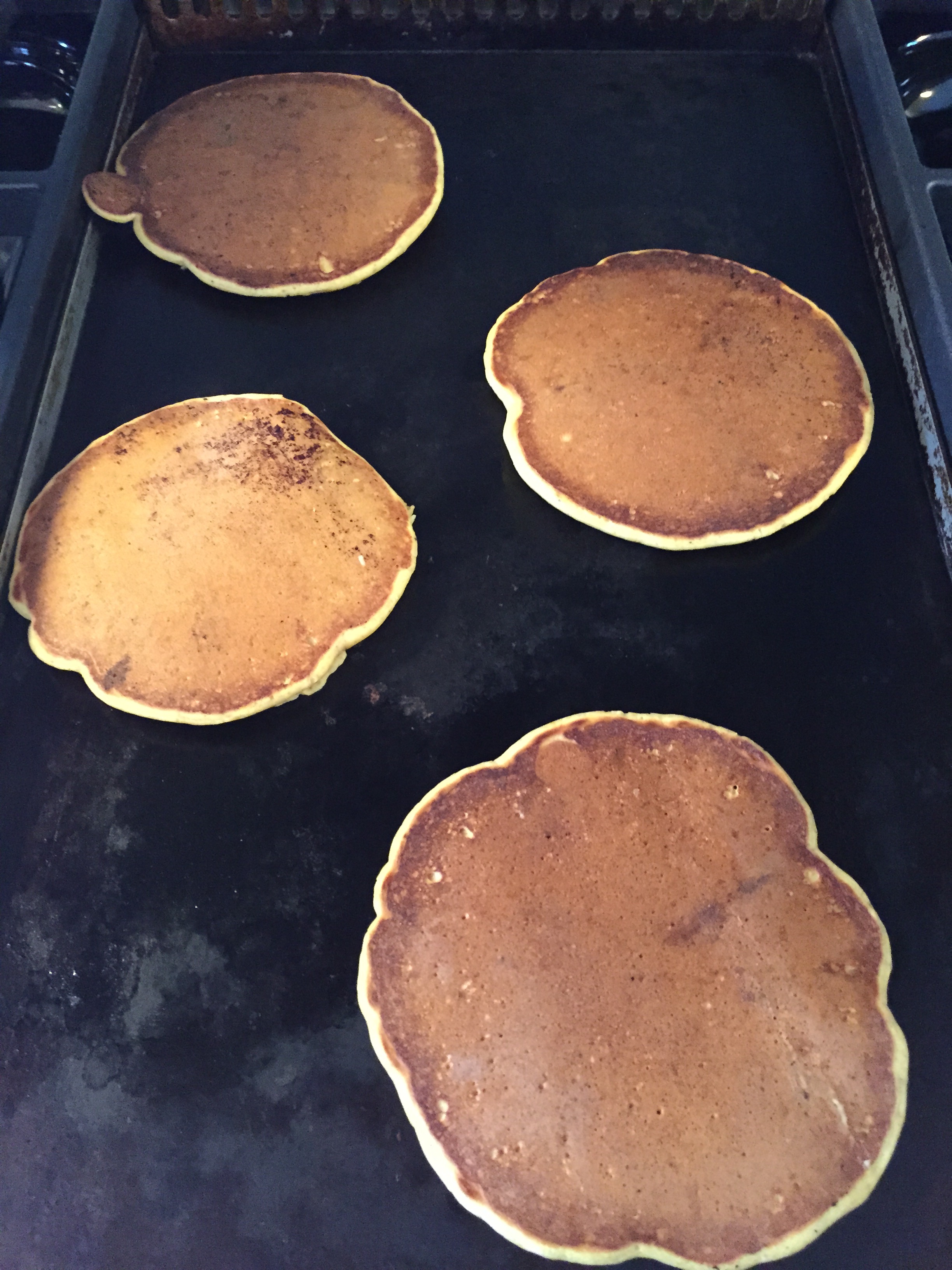
Pancakes on the griddle are dotted with popped and unpopped bubbles.
When the tops of the pancakes are dotted with popped and unpopped bubbles, it is time to flip.

Flipped pancakes on the griddle.

Pumpkin pancakes served with warm maple syrup and toasted walnuts.
Serve with warm maple syrup and toasted walnuts.


Lasagna Roll Ups

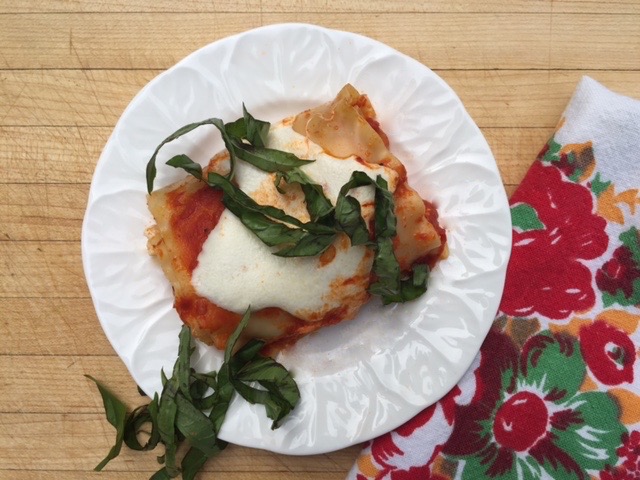
Lasagna Roll Up with basil

Wednesday night is pasta night at White House Red Door; at the very least, that means 52 nights of pasta a year and, to be honest, I’m sure we exceed that, easily. The wonderful thing is that there are so many shapes, sizes, styles, and sauces that we could quickly go through a year without any repeats. Actually, having written that, I really should consider this a challenge. Note to self… New Year’s Resolution decided… a year’s worth of pasta.

Most Wednesday nights I use dry pasta, pairing with some seasonal veggie and sauce. Occasionally meat makes an appearance, but only in a supporting role. Favorites include:

  • orechiette + kale + Italian sausage
  • spaghetti carbonara
  • baked orzo + shrimp + tomatoes + feta
  • penne + tuna + tomatoes + capers
  • tortellini + sautéed zucchini + pesto

Fresh pasta is a tremendous treat; a group effort saved for a quiet day when we can dedicate ourselves to the task. The rewards are well worth the effort and seem to lend themselves to cold, snowy days.

  • homemade butternut squash ravioli + sage + brown butter
  • homemade tagliatelle + bolognese
  • homemade lasagna noodles + béchamel + bolognese + parmesan

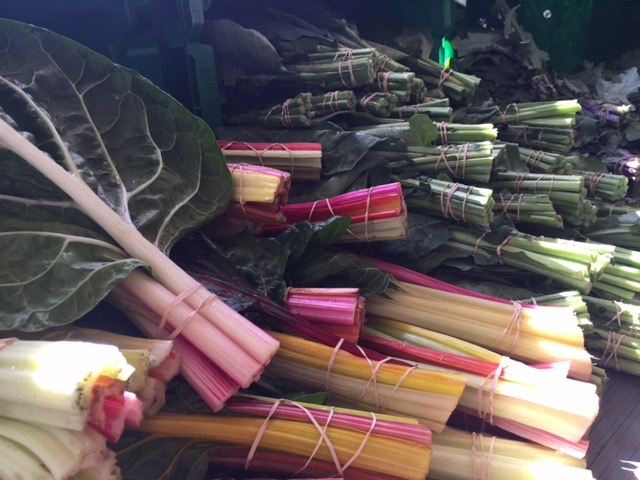
Rainbow ChardOne dish that turns up almost monthly is Lasagna Roll Ups. The perfect preset portions, incredible variety in terms of filling, and ease in getting this on the table make it one of my pasta night “go to” stand outs. The basic formula of ricotta, parmesan, salt and pepper remains constant, even standing alone if needed. However, when you have leftover or fresh veggies staring at you every time you open the fridge, throw them in the filling. Just about anything works- squash, zucchini, greens, peppers, mushrooms, onions are just a start.

This recipe is one to play with according to your taste. The quantities of sauce and cheese below are just guidelines. Love your lasagna gooey, saucy and cheesy? Done. Just add more sauce and cheese.   Hate greens? No problem. Swap the greens for another vegetable you like. Missing the meat? Brown some sausage, ground beef, or add leftover chicken. It will be delicious. Trust yourself!

PS- If you have any roll ups left, they make excellent additions to a lunch box. Simply warm up in the microwave and immediately transfer to a thermos.

Lasagna Roll Up with basil

Lasagna Roll Ups

  • Servings: 6-8
  • Print

Ingredients:
1 box lasagna noodles (15-18 noodles)
1 32oz jar of your favorite marinara sauce, 1 ½ cups reserved
2 cups ricotta
½ cup freshly grated parmesan, plus more for sprinkling
1 ½ cups shredded mozzarella, ½ cup reserved
pinch of freshly grated nutmeg
1 bunch greens… spinach, kale, swiss chard or combination
salt and pepper to taste

Instructions:
Preheat oven to 350°. Prepare casserole dish by covering bottom with thin layer of marinara sauce.

Bring large pot of salted water to a boil. Cook lasagna noodles, 6 at a time, until flexible. When flexible, remove noodles with tongs and place on a cookie sheet lined with a clean dish towel. Top with another clean dish towel, and repeat with next batch of 6 noodles. Repeat until all the noodles are cooked.

Make the filling:
Saute chopped greens in 1 tablespoon of extra virgin olive oil. Remove from pan and finely chop. Set aside.

Combine ricotta, parmesan, and nutmeg. Stir in finely chopped greens. Season to taste with salt and pepper.
Assembly:
Spread ricotta filling lengthwise down noodle (approximately 2 tablespoons per noodle). Drizzle 1-2 tablespoons marinara sauce over ricotta and top with 1-2 tablespoons shredded mozzarella.

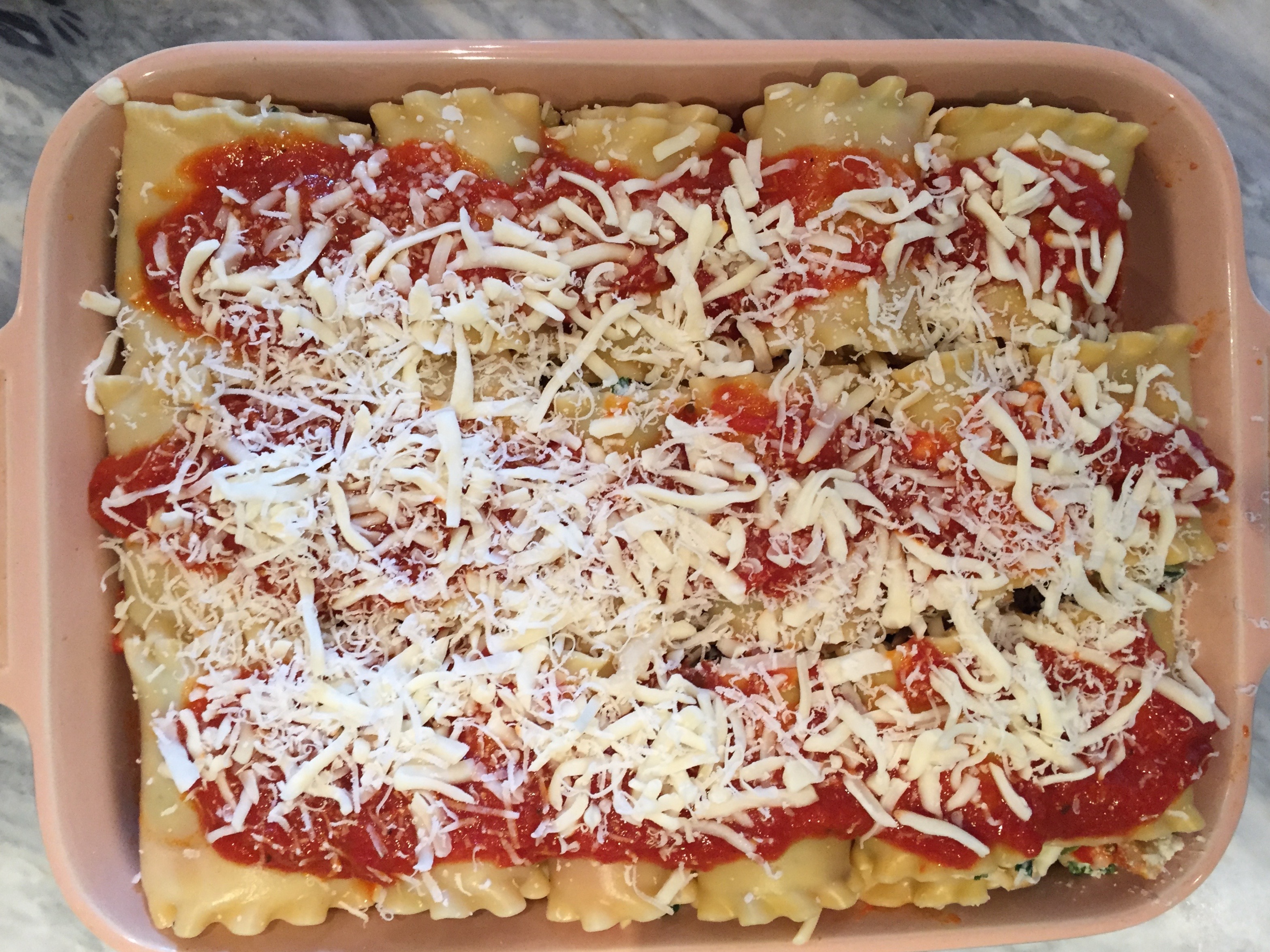
Tightly roll up noodle jelly roll style and place seam side down in prepared casserole. (Depending on the casserole dish I use, my noodles usually end up being in 3×5 rows. It is important for the rolls to fit snugly against one another so that they don’t unfurl.) Repeat with remaining noodles.

Pour reserved 1 ½ cups of marinara over roll ups. Top with reserved ½ cup of shredded mozzarella. Sprinkle with freshly grated parmesan.

Bake until heated through and bubbly, 30 minutes or so.

Chopped kale on cutting board.
Chopped kale, but use whatever greens you have… swiss chard and spinach work beautifully.
Ricotta filling mixed with chopped greens.
Mix chopped greens with ricotta, parmesan, a few gratings of nutmeg, and salt and pepper to taste.
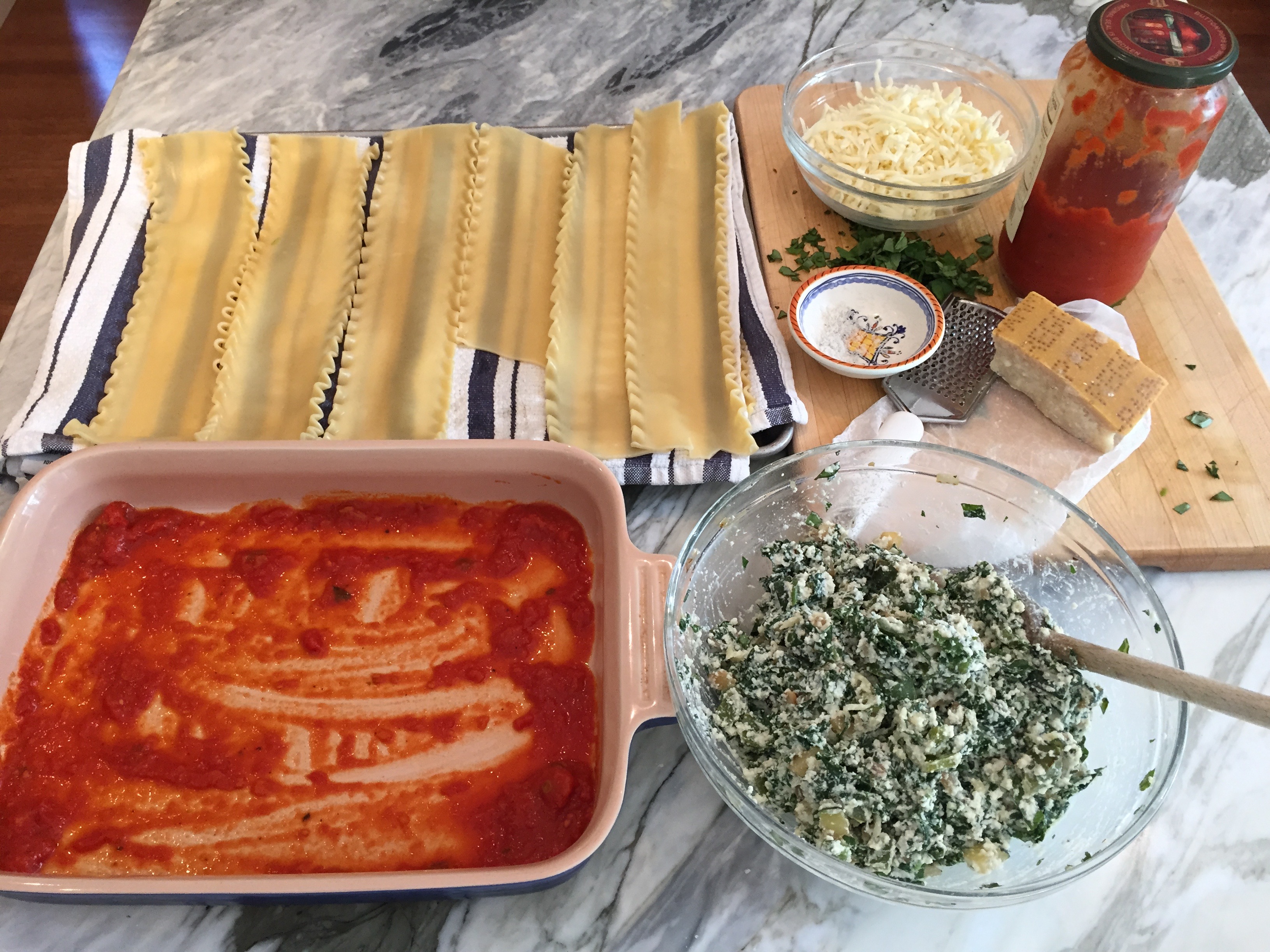
Lasagna roll up ingredients are out and ready for assembly, casserole dish, lasagne noodles, mozzarella cheese, parmesan cheese, filling, marinara sauce and salt.
All the ingredients are prepped and ready for assembly.
Lasagna noodles spread with ricotta filling.
Spread ricotta filling along the length of each noodle.
Lasagna noodle with ricotta filling and drizzled with marinara sauce.
Drizzle your favorite marinara sauce over the ricotta filling.
Lasagna noodles rolled up jelly roll style.
Tightly roll up the noodle jelly roll style.
Lasagna roll ups fit snugly in the casserole dish.
The roll ups should fit snugly in the casserole dish so that they don’t unfurl during baking.
Lasagna roll ups topped with sauce, mozzarella and parmesan cheeses.
Top with sauce, mozzarella and parmesan cheeses. Bake at 350° until heated through and bubbly.

Focaccia BLT

Focaccia BLT

Tomatoes on the vineWith Labor Day behind us and the kids back in school, summer has come to an end. Well, not officially. We still have a couple of more weeks before fall takes over the calendar and thankfully, Mother Nature is not hastening the transition. The temperatures are still steamy and, more importantly, the tomatoes are still coming in. Loads of them!

There is no comparison to fresh local Tomatoes on the vine in the gardensummer tomatoes and what is available the rest of the year. In winter, I’ve been fooled too many times by perfectly round, ruby red, “vine ripened” tomatoes for sale at the grocery store. They are tempting and they look gorgeous, a sight for sore eyes especially in the dead of winter, but inevitably I get them home, onto the cutting board, and slice into a mealy mess. Nothing but disappointment. It just means that as soon as the real tomatoes start coming in during the summer, I enjoy them any and every way I can: raw, baked, roasted, simmered, and grilled, in all sorts of salads, soups, sauces, pies, or straight off the vine, warm from the sun, with a sprinkle of salt. And don’t forget sandwiches.

An easy dinner this time of year is the classic BLT. Perfect for those nights when after school activities and homework seem to be all consuming- dinner needs to be quick, filling, maybe even portable. This BLT comes with a few twists and is always a hit, focaccia instead of sandwich bread, avocado replaces the mayo, and the bacon gets baked in the oven (hassle free bacon- no splatters!).

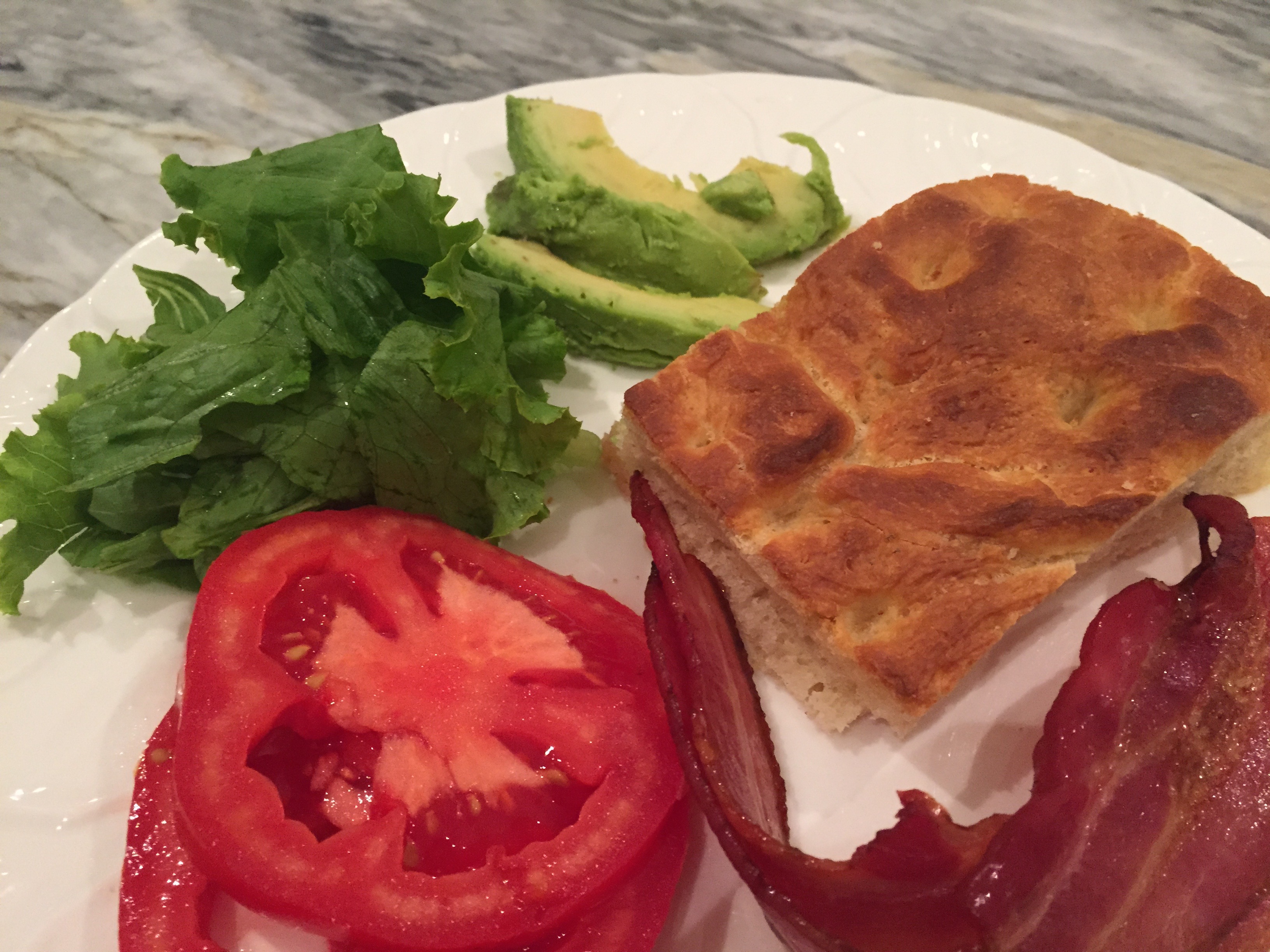
Deconstructed BLT with avocado
The makings of a beautiful BLT…

Bacon cooked in the oven is the way to go… whether for BLTs or Sunday morning breakfast.  This method is hands free which means no standing at the stove patiently turning the bacon over and over while hot grease splatters and blisters your hands (and stovetop).

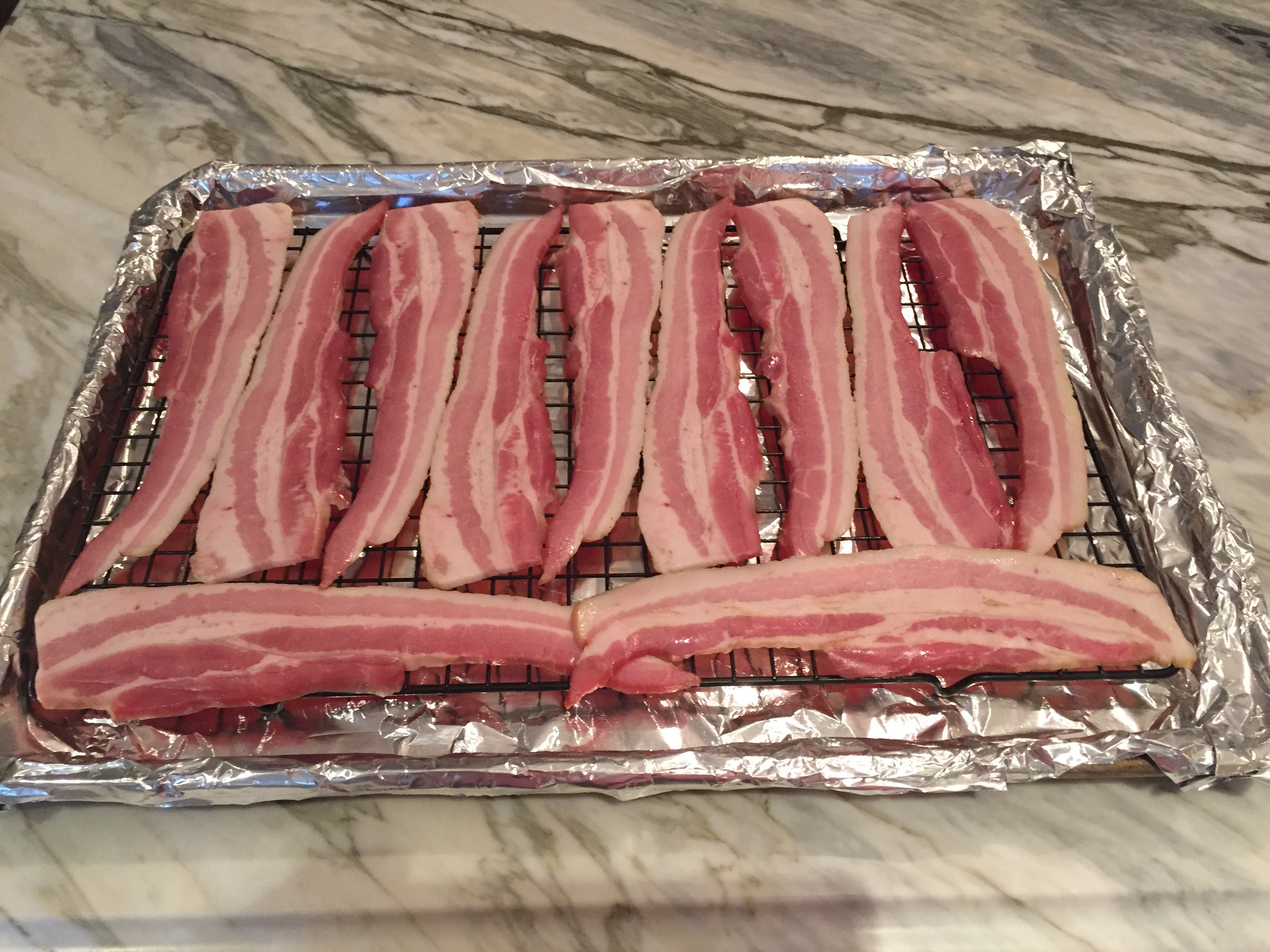
Raw bacon slices on a foiled lined sheet pan.

Simply line a rimmed baking sheet with foil and place a metal cooling rack in the center. Preheat the oven to 400°. Place the bacon on the metal rack in one layer. Bake for 15-20 minutes, but start checking after 10 minutes. Some people like their bacon fatty, while others want a nice crunch.

Cooked bacon on foiled lined sheet pan.
The bacon is done and clean up is a breeze.

This focaccia is well worth the time… if not for a BLT, then to be enjoyed another way.  The recipe yields quite a bit, perfect for making once and freezing half to be pulled out in a pinch for appetizers, sandwiches, soups, or just enjoyed on its own.  For lunch I toasted leftover focaccia, spread the halves with pesto, and topped with sliced tomato. Heaven.

Focaccia

Focaccia

  • Servings: 16
  • Print

*recipe adapted from Marcella Hazen

Ingredients:
For the dough
2 ¼ teaspoons active dry yeast
2 cups lukewarm water
6 ½ cups unbleached flour
2 Tablespoons extra virgin olive oil
1 Tablespoon
salt

For baking the focaccia
Heavy duty rectangular metal baking pan, about 18”x14”
Extra virgin olive oil for smearing the pan
A baking stone (optional)
A mixture of ¼ cup extra virgin olive, 2 Tablespoons water and 1 teaspoon salt
A pastry brush

Instructions:
Dissolve the yeast by stirring it into ½ cup lukewarm water, and let sit for about 10 minutes.

Combine the yeast mixture and 1 cup of flour in a bowl, mixing them thoroughly. Add 2 tablespoons olive oil, 1 tablespoon salt, ¾ cup water and half the remaining flour. Mix thoroughly until the dough feels soft, but compact, and no longer sticks to the hands. Put in the remaining flour and ¾ cup water, and mix thoroughly again. When putting in flour and water for the last time, hold back some of both and add only as much of either as you need to make the dough manageable, soft, but not too sticky.

Take dough out of the bowl, and slap it down very hard against the work counter several times, until it is stretched out to a lengthwise. Reach for the far end of the dough, fold it a short distance toward you, push it away with the heel of your palm, flexing your wrist, fold it, and push it away again, gradually rolling it up and bringing it close to you. Rotate the dough a one-quarter turn, pick it up and slap it down hard, repeating the entire previous operation. Give it another one-quarter in the same direction and repeat the procedure for about 10 minutes. Pat the kneaded dough into a round shape.

First rise- Smear the middle of the baking sheet with about 2 tablespoons olive oil, put the kneaded, rounded dough on it, cover with a damp cloth, and leave it to rise for about 1 ½ hours.

Second rise- After 1 ½ hours, stretch out the dough in the baking pan, spreading it toward the edges so that it covers the entire pan. Cover with a damp towel and let the dough rise for 45 minutes.

Preheat the oven to 450°. If using a baking stone, put the stone in the oven and preheat for at least 30 minutes before you are ready to bake.

After the second rise, keeping the fingers of your hand stiff, poke the dough all over, making many little hollows with your fingertips. Beat the mixture of oil, water and salt with a small whisk or a fork for a few minutes until you have obtained a fairly homogeneous emulsion. Use a pastry brush to spread the mixture all the way out to the edges of the pan. The liquid will pool in the hollows made by your fingertips.

Place the pan on the middle rack of the preheated oven. Check the focaccia after 15 minutes. If it is cooking faster on one side, rotate the pan accordingly. Bake for another 7-8 minutes until golden brown all over. Lift the focaccia out of the pan using spatulas and set on a wire rack to cool.

The focaccia is best enjoyed the day you make it, but can also be frozen and reheated in a hot over for 10 minutes.

Focaccia dough stretched out to fill a sheet pan.
After the first rise, stretch the dough out to the sides, completely filling the pan.
Focaccia dough after the second rise.
After the second rise…
Dimpled focaccia dough
Dimple the dough using your fingertips.
Brushing the dough with olive oil
Using a pastry brush, gently brush the dough with a mixture of extra virgin olive oil, water, and salt. The oil will puddle in the dimples.
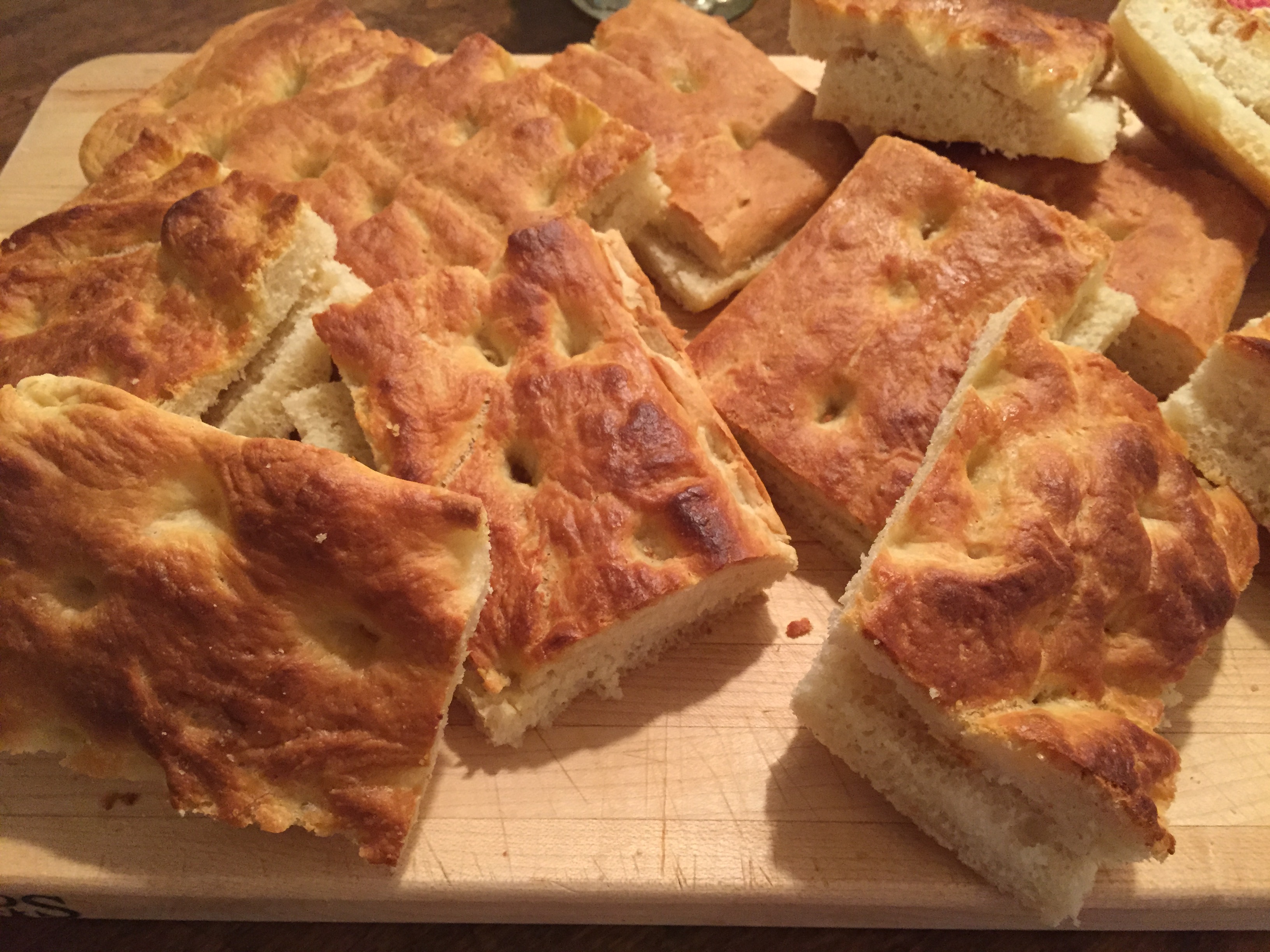
Focaccia squares on a cutting board.
Cut the focaccia into sandwich sized servings, then slice again horizontally through the middle to form top and bottom crusts.

Pesto

Pesto

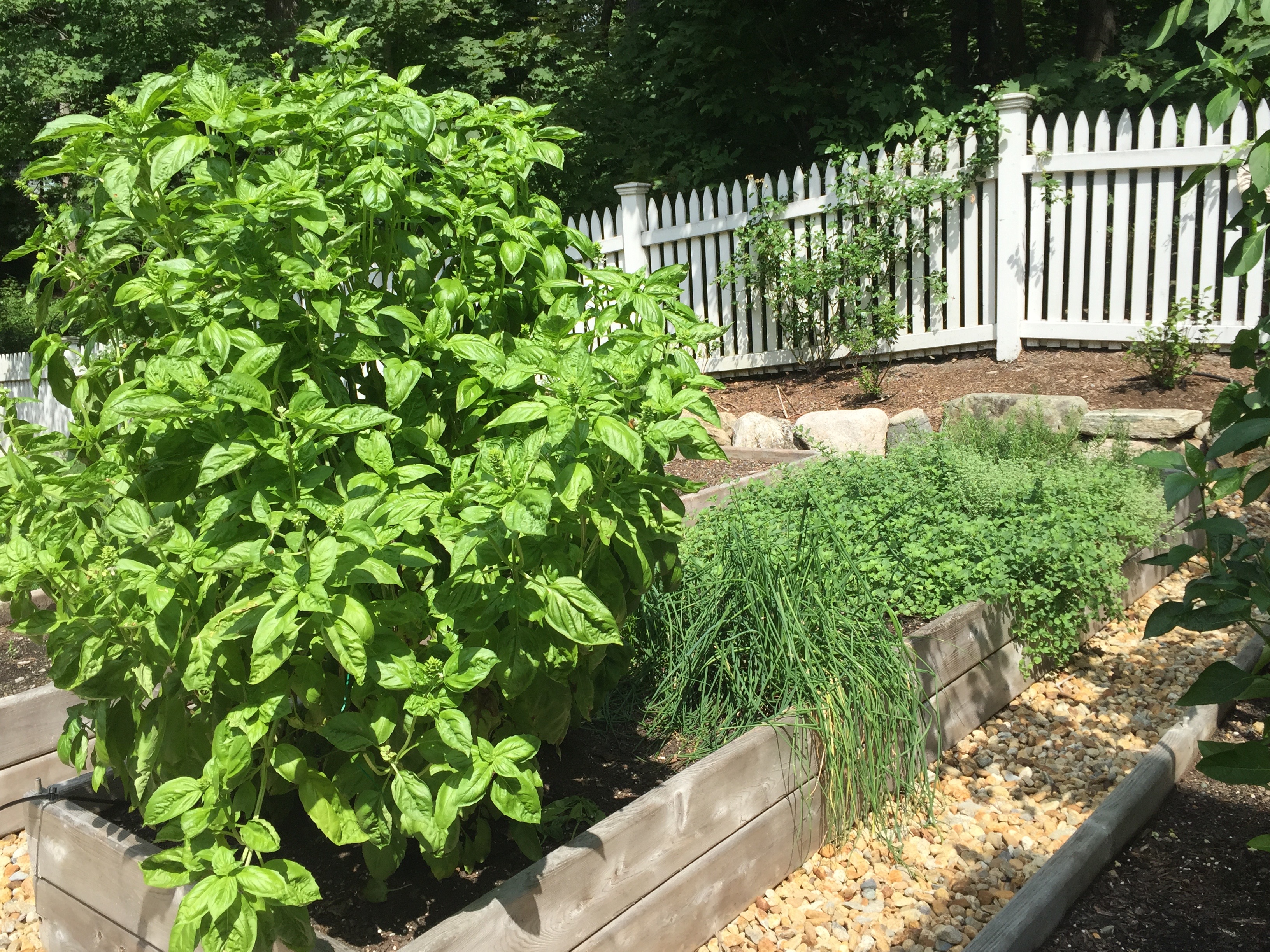
You know how each summer there is THE song of the summer, the one that puts smiles on faces, gets toes tapping, and windows rolled down while everyone sings along? Well, this summer I have THE herb of the summer growing in my garden… basil. The three or four small plants that went into the ground in late spring have grown into a mighty basil forest, extraordinarily tall and lush. We cannot keep up with it; despite our best efforts, that is an enormous amount of caprese salad to eat!

Herb garden with basil, chives, oregano, thyme, and rosemary
This basil is out of control.

As the days grow shorter, I am only too aware of the cool weather that is sure to follow. Feeling a bit like the ant preparing for winter in Aesop’s The Grasshopper and the Ant, I’ve gone on a pesto making binge; not only preserving basil’s quintessential summer flavor at its best, but capturing a sunny moment in time. These green gems, pulled from the depths of the freezer, will bring warm memories to cold snowy nights sometime in the (not too distant) future.

Pesto is from the Italian word pestare which means to pound or crush. The English word for pestle shares the same Latin root. Traditionally, pesto is made by hand with a mortar and pestle, but in the quantities I’m dealing with the food processor is helping. No shame in that.

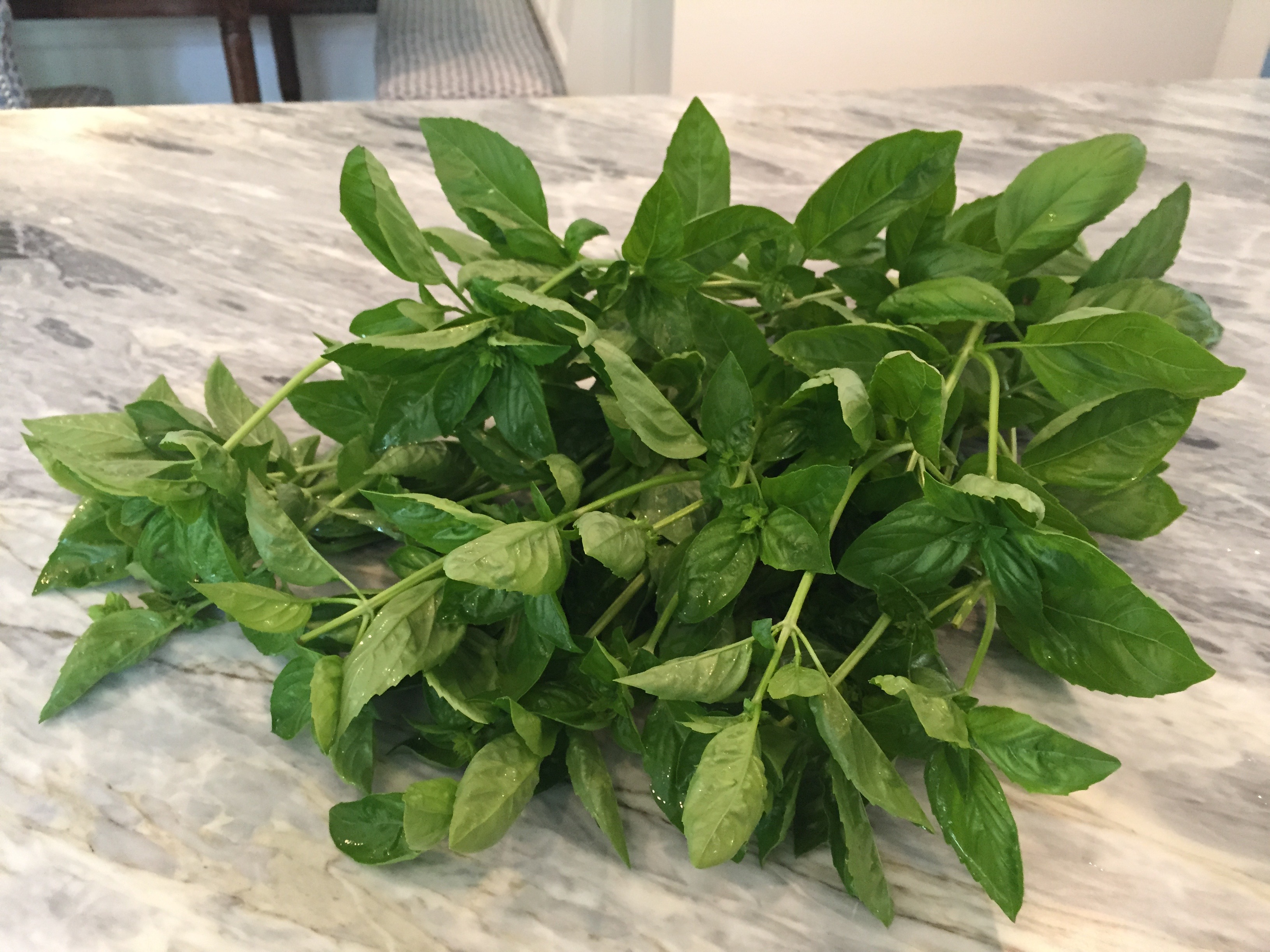
fresh basil

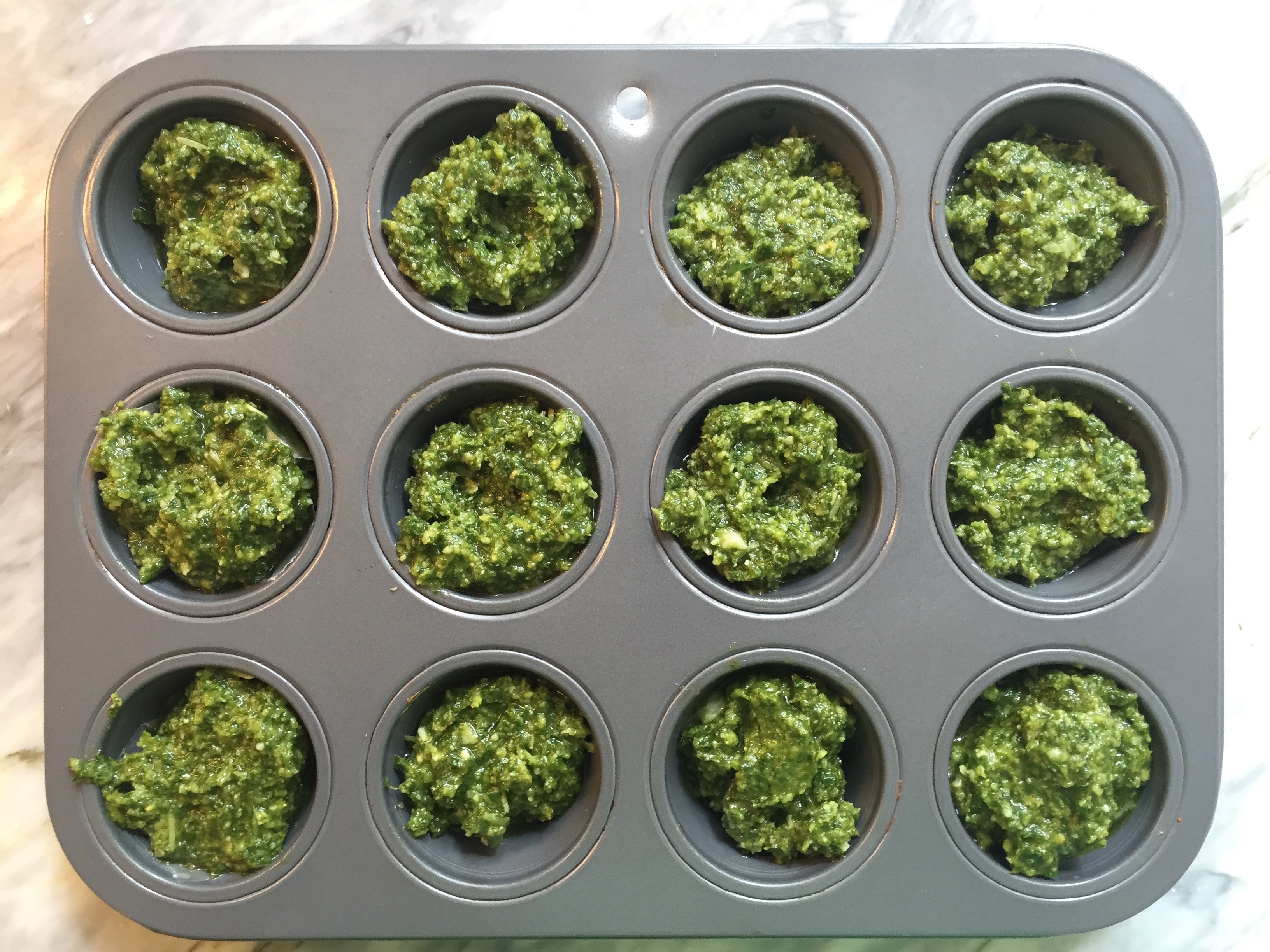
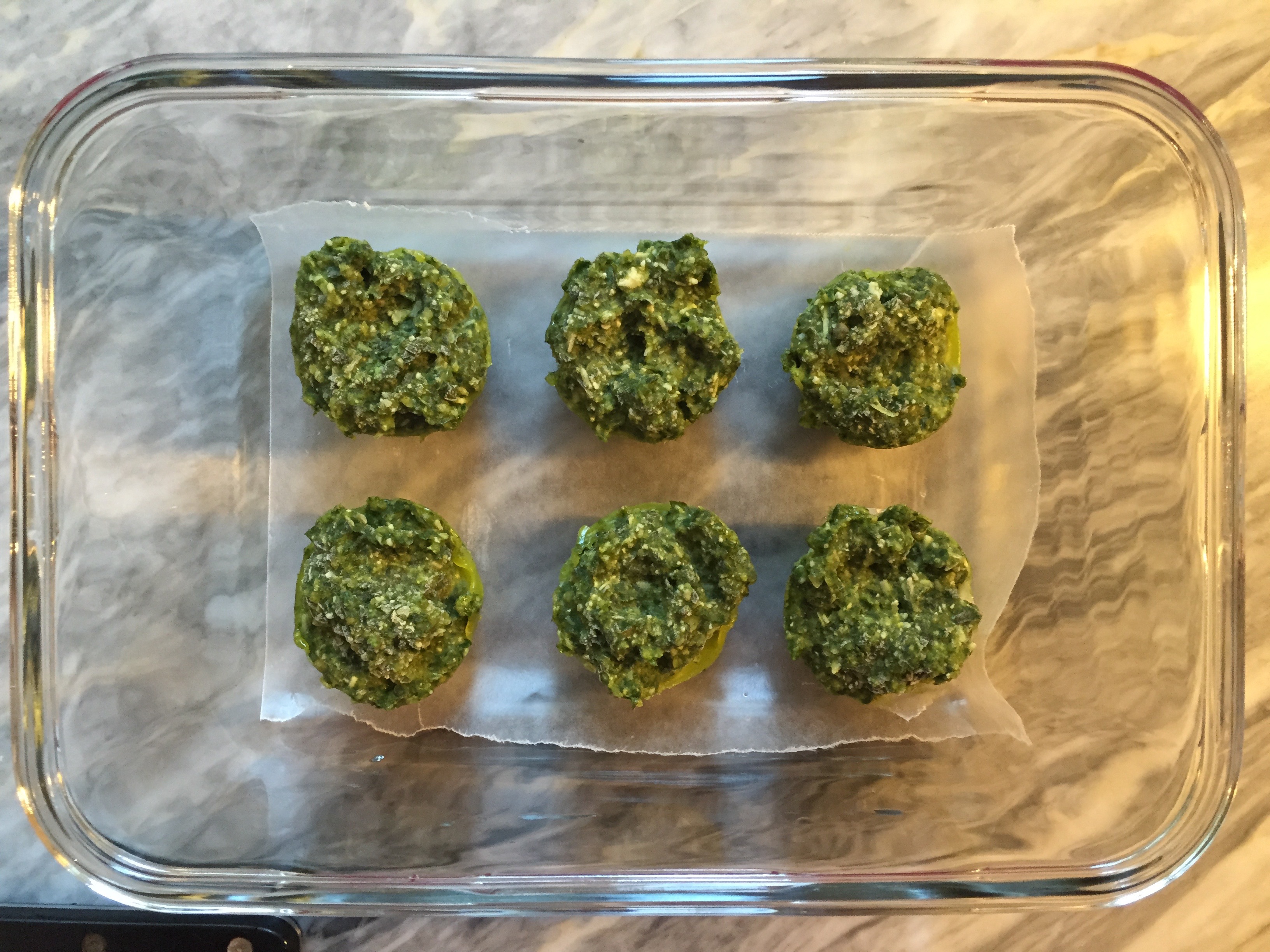
Some of the pesto is for enjoying now, but the majority is getting scooped into mini muffin tins, frozen, then transferred into storage containers for the freezer. The mini pesto “muffins” are just the right size to add to dishes all winter long.

And pesto isn’t just for pasta… here are some others ways to savor it.
• Potatoes- pesto and potatoes are a wonderful pair. Gently stir a spoonful of pesto into freshly boiled potatoes or mix a spoonful into mashed potatoes.
• Marinara Sauce- add pesto to your regular marinara sauce
• Dip- mix pesto into greek yogurt, crème fraiche, or sour cream for a dip
• Pizza- use pesto instead of pizza sauce on your next homemade pizza
• Sandwiches- spread pesto on your favorite crusty sandwich bread, top with sliced chicken and roasted red peppers

Those are just some of my suggestions.  I’d love to hear from you… what are your favorite ways to use pesto?

Pesto

Pesto

  • Servings: makes approximately 1 cup
  • Print

*recipe adapted from Marcella Hazen

Ingredients:
For the food processor-
2 cups tightly packed fresh basil leaves
1/3 cup extra virgin olive oil
3 Tablespoons lightly toasted pine nuts
2 garlic cloves, chopped fine
salt

For completion by hand-
½ cup freshly grated parmesan cheese
2 Tablespoons freshly grated romano cheese

Instructions:
Briefly rinse basil under cold water and pat dry.

Place basil, olive oil, pine nuts, chopped garlic, and a pinch of salt into the bowl of a food processor. Process to a uniform creamy consistency.

Transfer to a bowl, and mix in the two grated cheeses by hand.

The pesto can be frozen in pre-portioned amounts to be pulled from the freezer whenever you want a taste of summer.

Basil, extra virgin olive oil, and salt are placed in a food processor.
Place the basil, extra virgin olive oil, pine nuts, garlic, and salt into a food processor and blend.
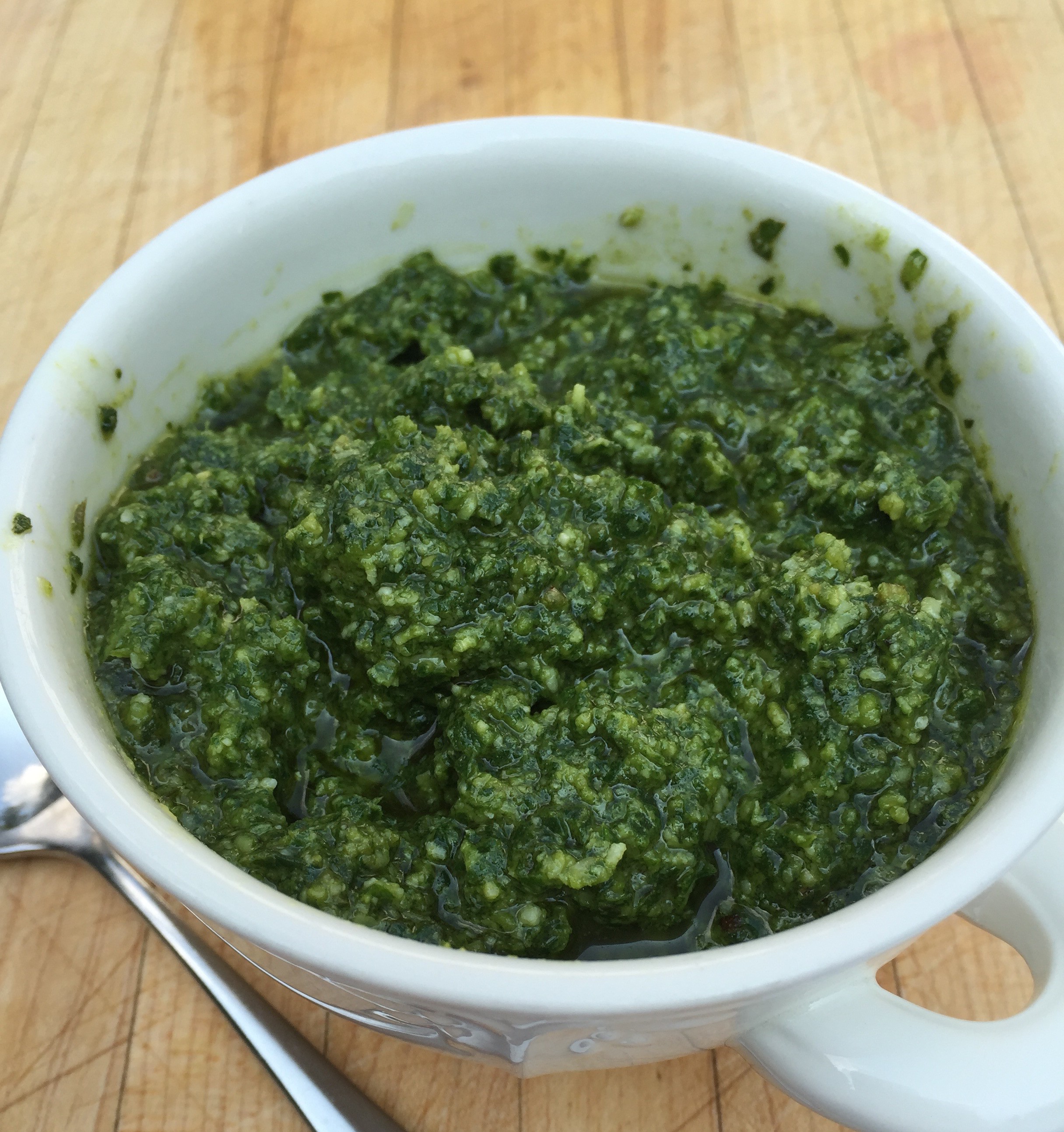
Basil, extra virgin olive oil. pine nuts and salt have been blended to a creamy consistency.
Blend the basil, extra virgin olive oil,  pine nuts, garlic, and salt to a creamy consistency.
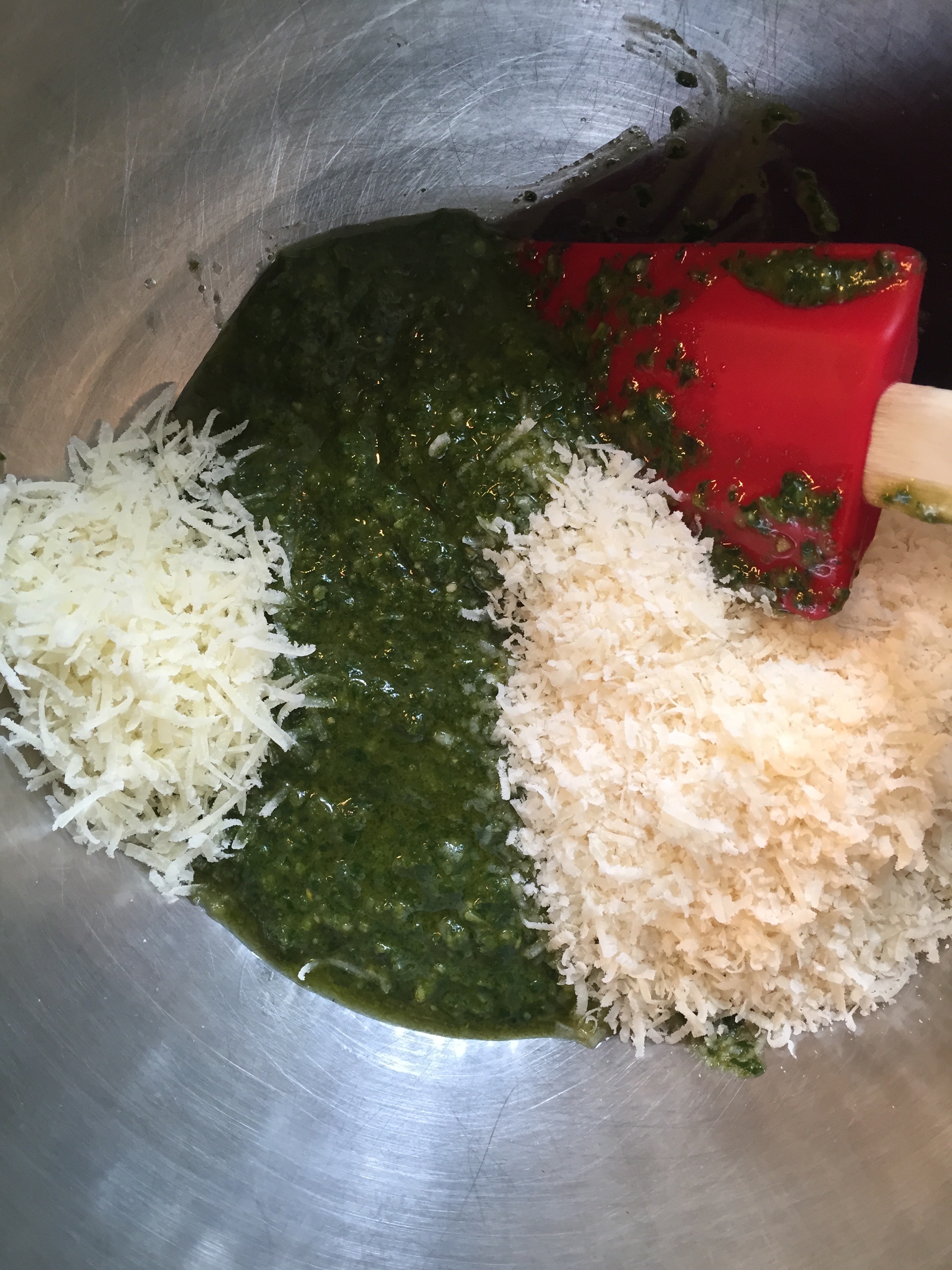
Parmesan and romano cheeses are added to the basil mixture.
Transfer the basil mixture to a bowl. Add the parmesan and romano cheeses.
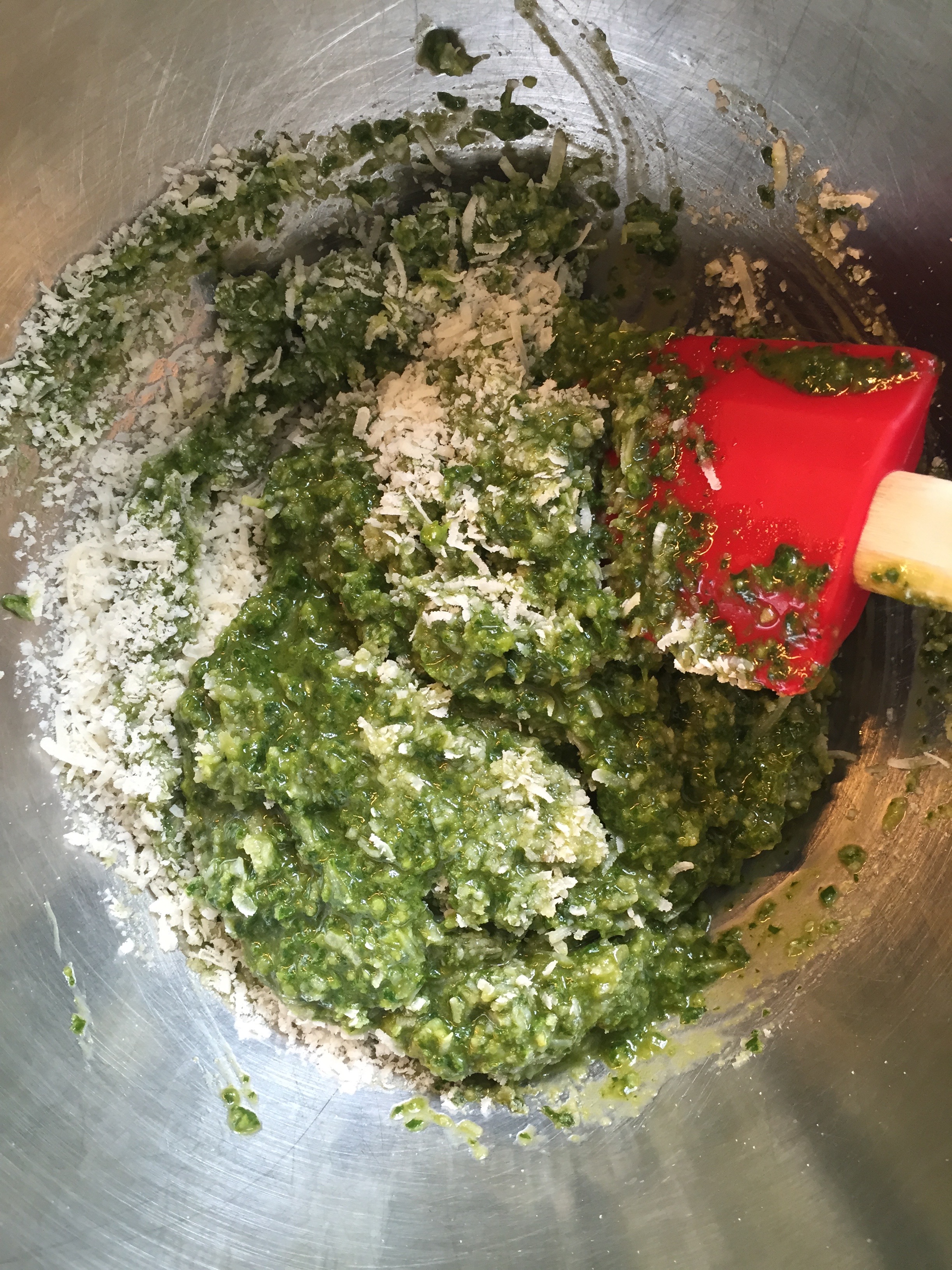
Mixing the parmesan and romano cheeses into the pesto by hand.
Mix the parmesan and romano cheeses by hand.
The parmesan and romano cheeses have been thoroughly incorporated.
Pesto fills a mini muffin tin
Using a mini muffin tin, small portions of pesto are ready for the freezer. After freezing, transfer them to a container for long term freezer storage.
Pre-portioned amounts of frozen pesto
Wax paper separates layers of frozen pesto “muffins” for long term storage in the freezer.

Homemade Ricotta

Homemade ricotta with herbs

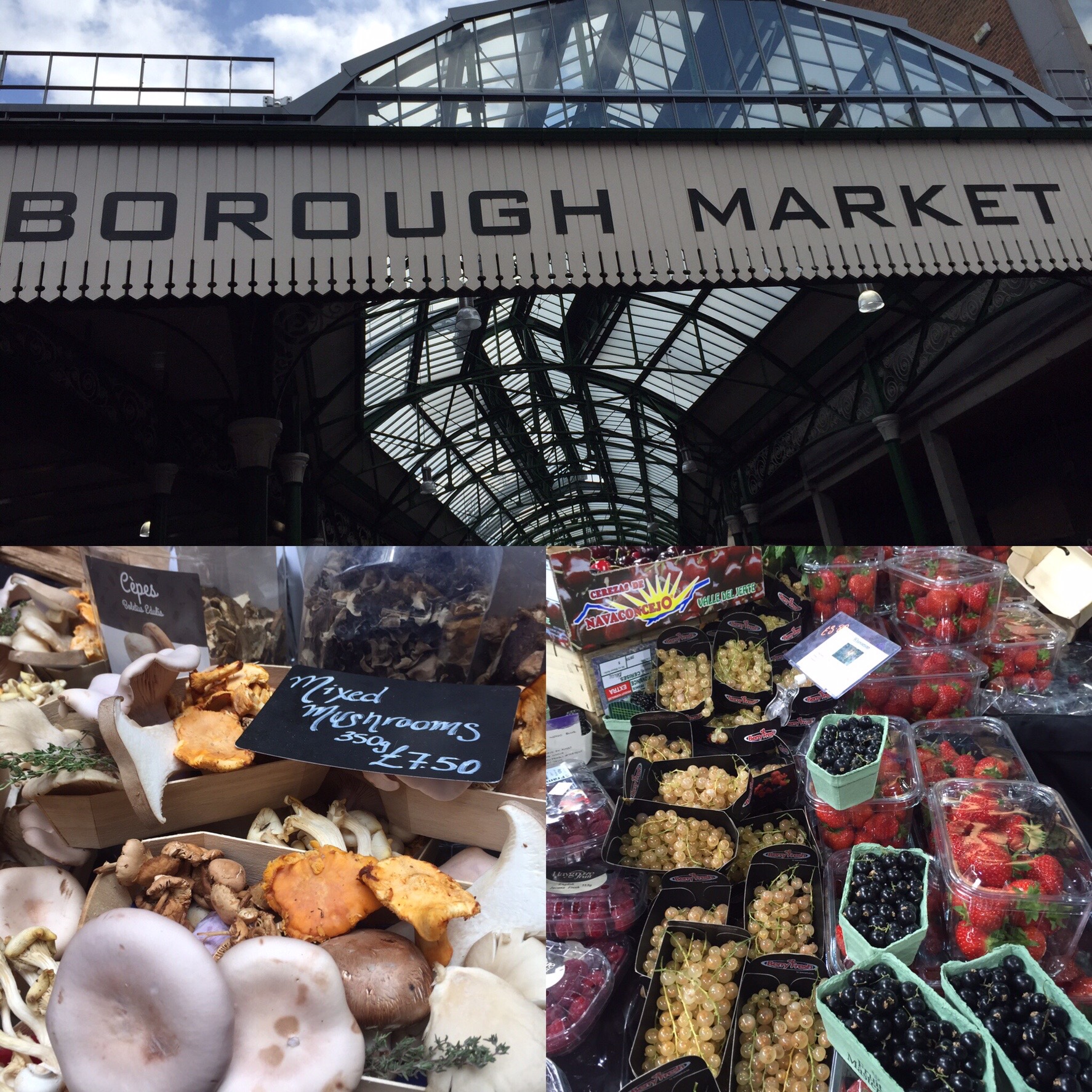
Borough MarketThis summer, we had a phenomenal family trip to London and Ireland.
While we explored the British Museum, Hyde Park, the Churchill War Rooms and the Tower of London, observed the Changing of the Horse Guard and took a spin on the London Eye, my thoughts were never too far from food. In fact, we kicked our trip off with a tour of Borough Market (I highly recommend Context Travel).

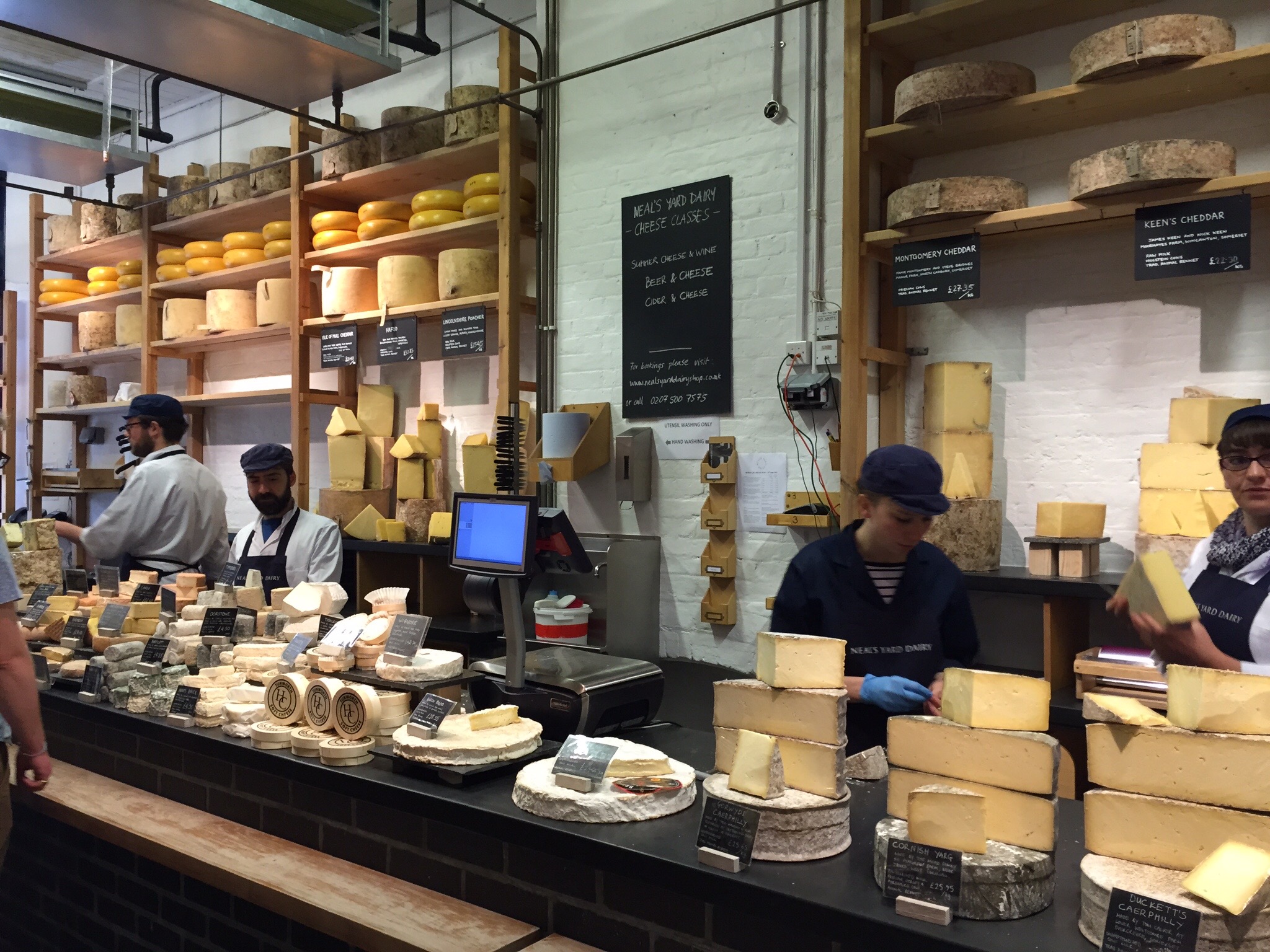
Tasting our way down the counter...
Tasting our way down the counter…

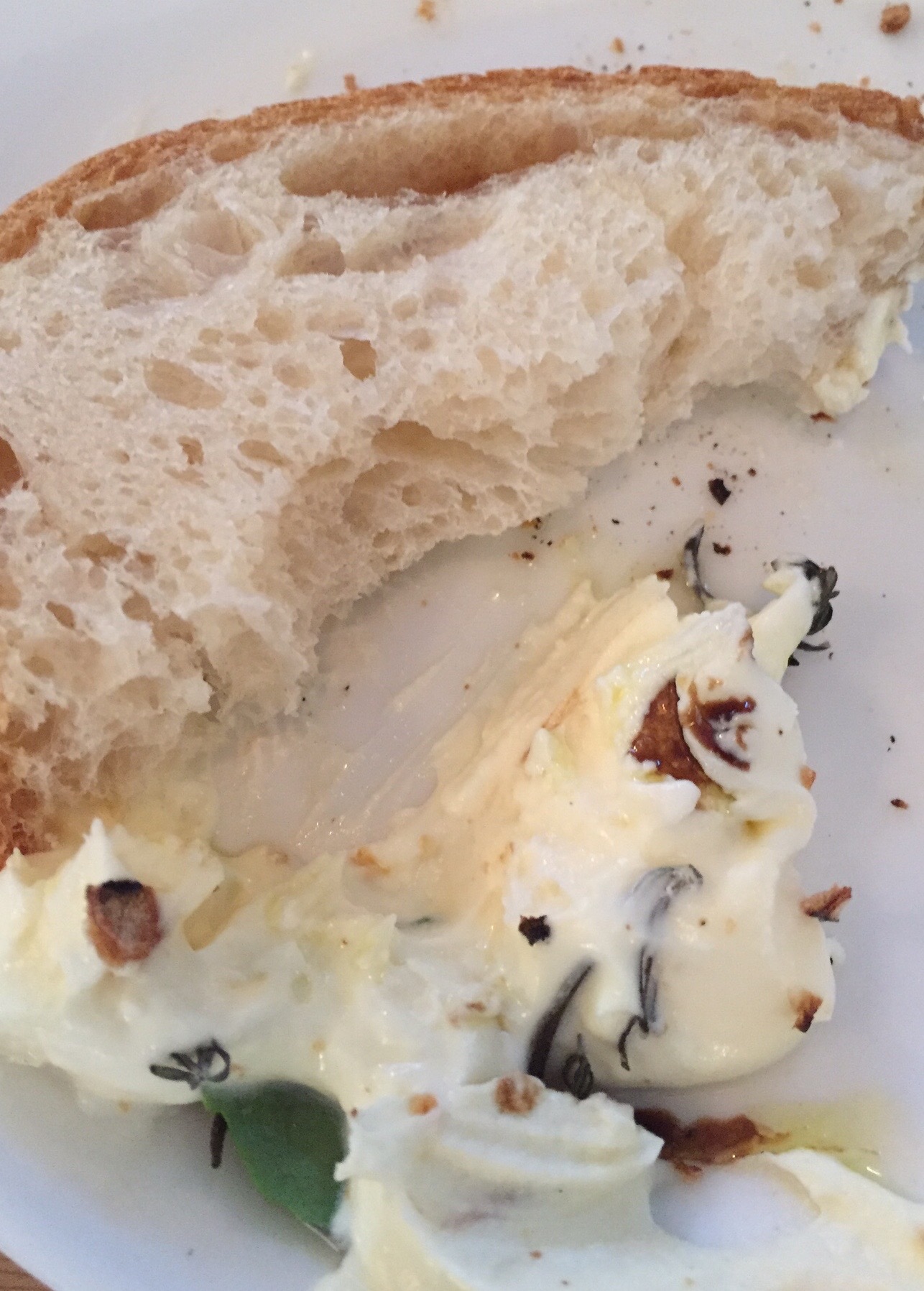
Celebrating and tasting your way through artisanal British and Irish cheeses at Neal’s Yard Dairy is a wonderful beginning to any day.  Meeting and sharing ideas with farmers, spice vendors, and even a tea importer helped us connect to London in a very real way. Continuing the unofficial theme of local foods, we planned our dinners at restaurants that embrace a farm to table philosophy, locally sourcing their products based on seasonal availability. We enjoyed delicious meals at St. John, The Harwood Arms, and Tom’s Kitchen. An absolute standout at Tom’s Kitchen was the “Homemade Ricotta [with] balsamic glaze, dried herbs, grilled sourdough.” Oh. My. Goodness. This ricotta was so incredibly luscious, smooth, and creamy- yet light and airy, that only the fear of public humiliation kept me from stealing the entire dish, huddling in a remote corner, and licking the bowl clean.

Homemade ricotta with bread from Tom's Kitchen.
The inspiration- Homemade Ricotta starter from Tom’s Kitchen.

Since our return home, that ricotta has been on my mind. We have a fairly wide selection of ricotta cheese at the grocery store, but it seems unfair to compare them to what I had in London. Even the best that I can get here is good, but not Tom’s Kitchen Homemade Ricotta good. What to do? The kitchen gods spoke. Challenged accepted. I learned to make my own.

It turns out, homemade ricotta is not hard to make. In 30 minutes you can be sitting down with your own bowl of lusciousness, ready to devour, spoon in hand. Even better, you control the ingredients. No fillers, thickeners, or stabilizers needed, just four simple ingredients- milk, cream, white vinegar and salt. It’s a bit like a science experiment, so if you have kids they are going to love this. But please don’t let “science experiment” intimidate you.  My nine year old is now making the ricotta on a weekly basis.

The final texture depends on how long you leave the ricotta to drain. Ten minutes yields warm, soft curds perfect for enjoying by the spoonful; twenty minutes yields still soft but slightly more spreadable ricotta, while thirty minutes or more will leave you with a firmer, drier, ricotta that holds it shape. Between 10-20 minutes of draining is my favorite for spreading on grilled bread- savory with a drizzle of extra virgin olive oil, sprinkle of fresh herbs and a pinch of salt, or sweet with a drizzle of honey and topping of sliced berries. The ricotta that sits longer is perfect to dollop on warm pasta or pizza, either before or after it comes out of the oven.

PS- What about the whey? From 4 cups of milk/cream you will have about 1 cup of ricotta and 3 cups of whey. That is a lot of whey. Before you toss it down the drain you could…
• Replace the water with whey in pizza or bread dough recipes
• Add the whey to soups and stews
• Feed it to your chickens, pigs, etc.

Homemade ricotta with herbs


Homemade Ricotta

  • Servings: 1 cup
  • Print

*recipe inspired by several sources including Serious Eats, The Kitchn and Smitten Kitchen

Ingredients:
3 ½ cups whole milk (NOT Ultra High–Temperature (UHT) pasteurized)
½ cup heavy cream
¼ cup white vinegar
½ teaspoon salt

Instructions:
Line a sieve with cheesecloth and place in a bowl. Set aside.

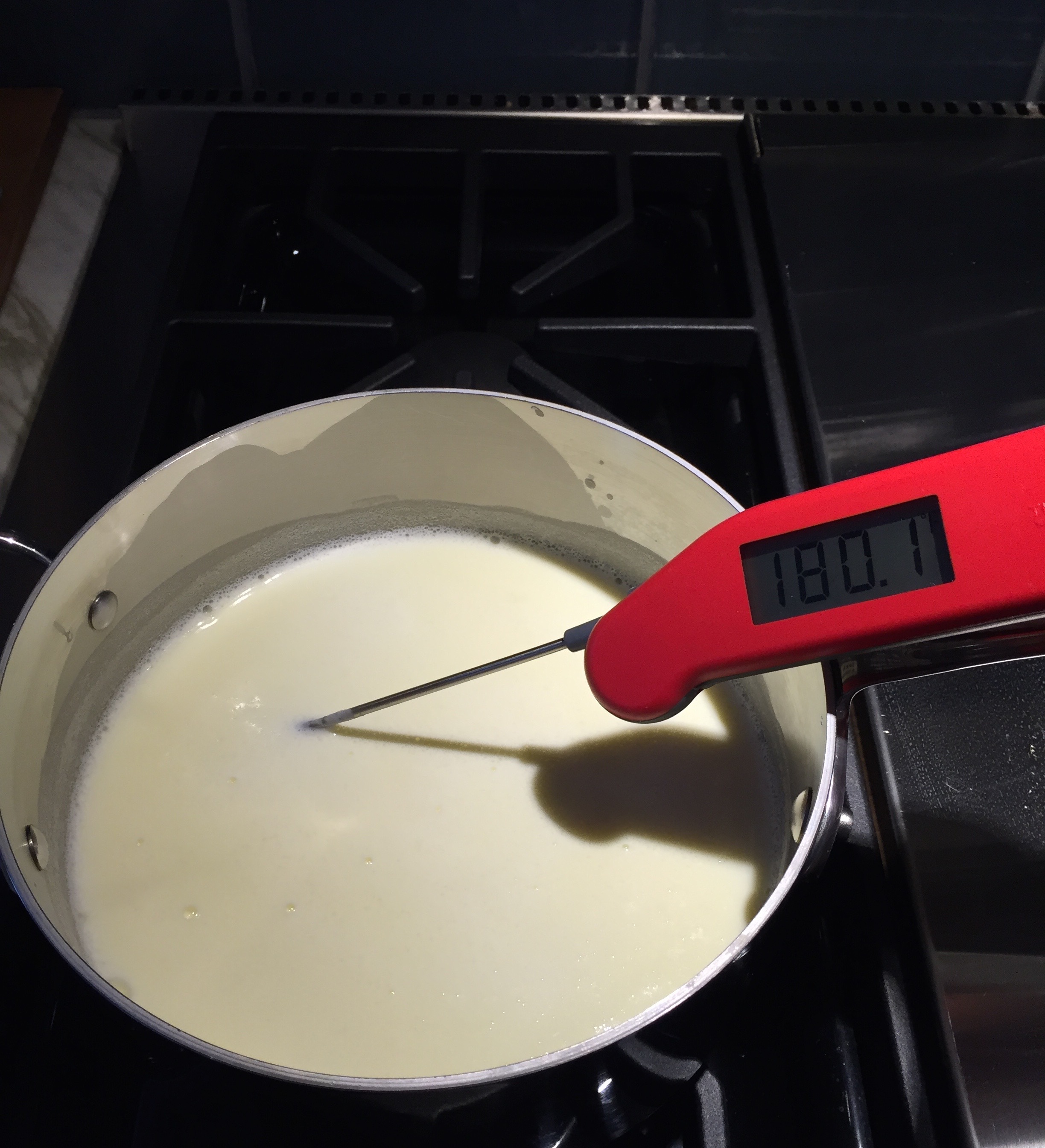
Combine milk and heavy cream in a saucepan. Gently warm the milk mixture over medium heat until it reaches 180°. Remove from heat.

Add the white vinegar and salt, stirring gently once or twice to distribute evenly. Leave the milk mixture undisturbed for 10 minutes while the curds and whey form.

After 10 minutes, use a slotted spoon to transfer the curds to the cheesecloth lined sieve. Once the larger curds have been placed in the sieve, carefully pour the remaining curds/whey into the sieve. Let drain for at least 10 minutes, or until desired consistency is reached. The longer the ricotta drains, the firmer it will be.

Transfer to storage container and keep refrigerated until ready to use.

Enjoy as you would any ricotta, savory or sweet… in lasagna, ziti, cannoli, atop grilled bread, or just by the spoonful from the bowl!

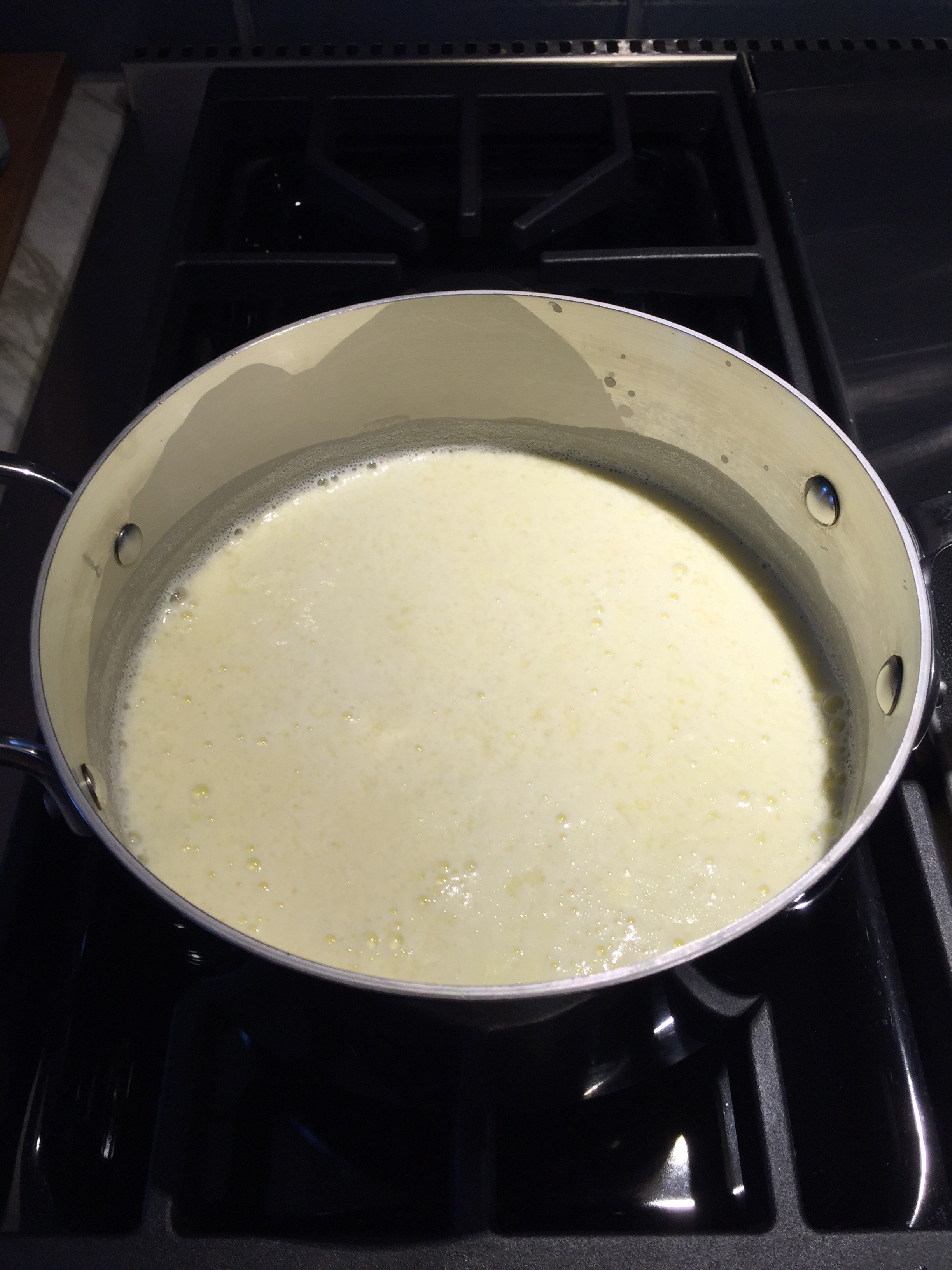
Milk and cream heating on the stove until it reaches 180°.
Heat the milk and cream mixture to 180°.
The milk/cream mixture is curdling.
After adding the vinegar gently stir once or twice. Leave undisturbed for 10 minutes while the curds develop.
Removing the curds with a slotted spoon.
After 10 minutes the vinegar has worked its magic. You have curds and whey!
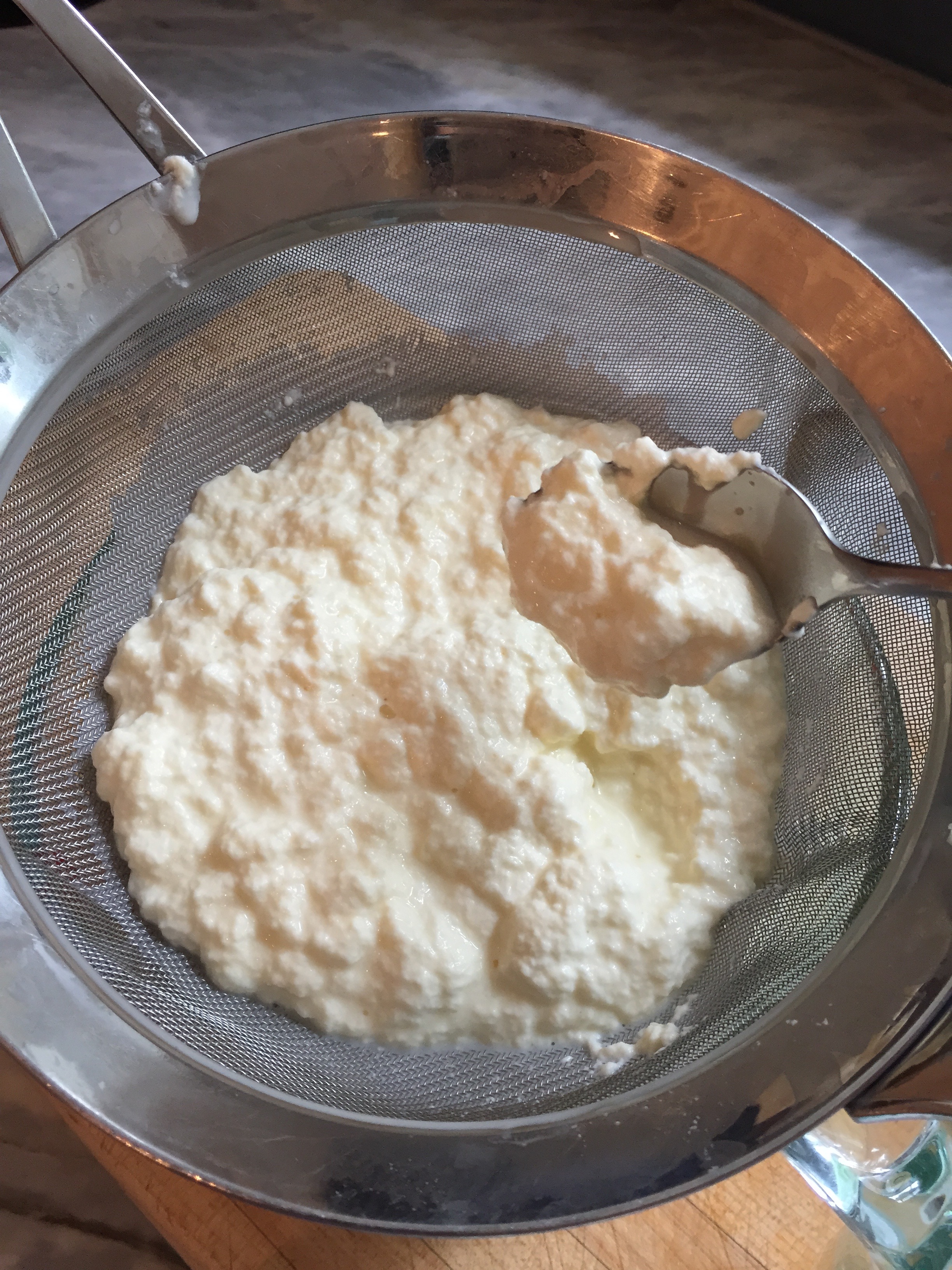
Fresh ricotta draining in a fine meshed sieve.
Using a slotted spoon, transfer the curds to a fine mesh strainer or cheesecloth lined sieve. Leave to drain for at least 10 minutes. The longer you leave the ricotta, the firmer it will be.
Fresh ricotta after 20 minutes of straining.
20 minutes later…
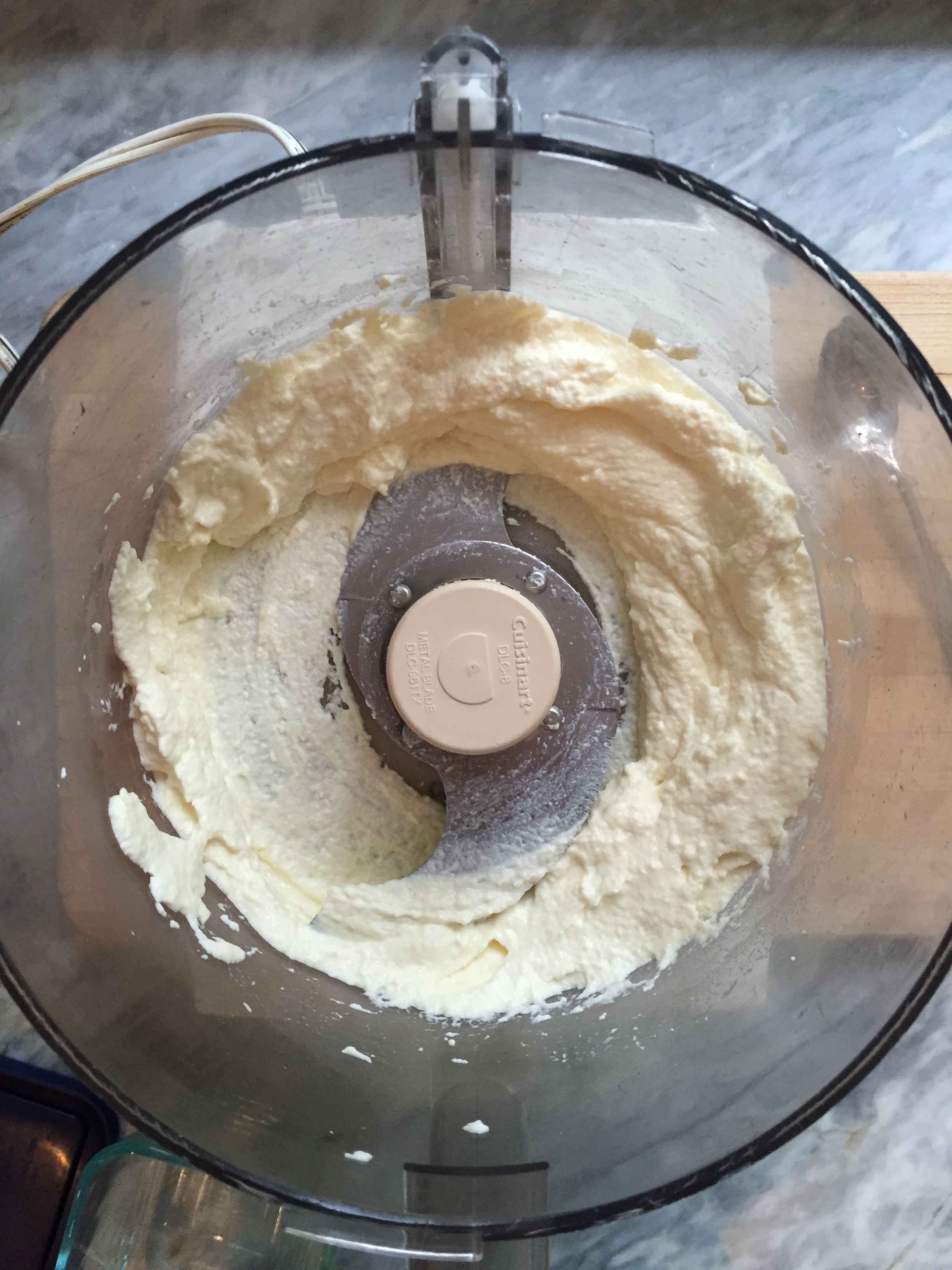
Fresh ricotta after a few pulses in a food processor.
*Completely optional step*  You could stop after draining the ricotta and enjoy as is, or for an extra creamy texture, give your freshly strained ricotta a very brief spin in a food processor.
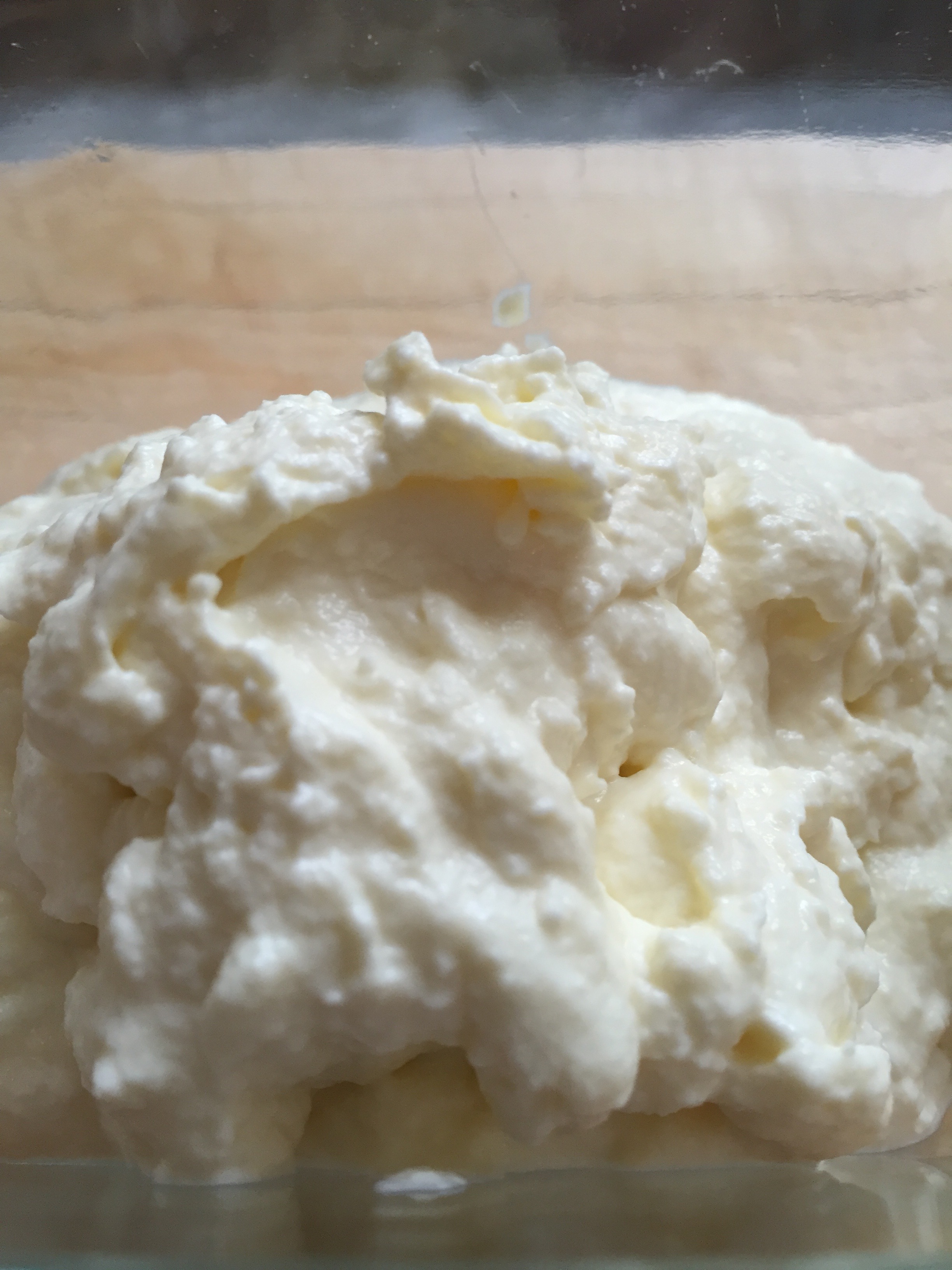
Freshly whipped ricotta
Basil, oregano and thyme sprigs
Snip a few herbs to sprinkle on top of the whipped ricotta. Serve with slices of grilled bread for an easy appetizer or lunch.
Homemade whipped ricotta sprinkled with herbs and served with grilled ciabatta.
Lunch
Strawberries and Ricotta on Toast
Breakfast the next day…

Mixed Berry Crostata

Mixed-Berry-Crostata

Mixed-Berry-Crostata

Happy 4th of July! Time to get your red, white and blue on…

If you read my Strawberry Mascarpone Tart with Balsamic Glaze post, you already know that making pie crust causes me incredible anxiety. From the vague instructions- add ice cold water by the thimbleful until the dough just comes together- not too wet or too sticky (what does that look like? feel like?) to the actual chilling, rolling, transferring to a pie plate, and please don’t forget the decorative crimping or lattice work. And that’s only if I even get to that point. Usually in my case things start going wrong almost immediately, beginning with adding too much or too little water. After chilling, the dough rarely rolls out smoothly and evenly. The edges are dry and cracking or the center is tearing or, more often than not, I’m trying to manage both crises simultaneously! The crust becomes a patchwork quilt of botched attempts at repairs. Then the transfer, have you seen how the experts roll up their pie crust around their rolling pins, then neatly unroll the crust into the pie plate? Are you kidding me? In my kitchen it’s all hands on deck, one person lifting the pie crust (still on the wax paper on which it was rolled), another helper quickly sliding the pie plate under the elevated dough, while a third person tries to flip the wax paper over and “release” the pie crust so that it flops into the pie plate. Which undoubtedly leads to more repairs. It’s enough to make me want to eat cake. Well, maybe almost enough. I really do prefer pie, especially in the summer with all the luscious ripe fruit that is available.

raspberries-and-blackberries

Like the Mascarpone Tart, the Crostata is another user friendly dessert with crust. This crust has the added benefit of an egg, which makes rolling out a breeze. Even better, you roll directly onto your parchment paper or silicone liner. No transferring necessary; you don’t even need a pie tin! As for decorative crimping or lattice- not with a crostata, all you need to do is fold an inch of crust over the edge of your fruit. In honor of the 4th, this filling is made up of raspberries and blackberries to represent red and blue, while the white comes from vanilla ice cream served on the side. Feel free to use any fruit you want… depending on what’s in the fridge I’ve tossed strawberries and blueberries into the mix; peaches and raspberries are a classic combination, or go monochromatic and pick one of your favorite seasonal fruits to use. This recipe is so easy that experimenting is fun and delicious!

Mixed-Berry-Crostata-with-Ice-Cream

Mixed Berry Crostata

  • Servings: 6-8
  • Print

*from Country Living

Ingredients:
1 ¼ cups plus 1 Tablespoon all-purpose flour
¼ cup plus 2 Tablespoons granulated sugar
1/8 teaspoon salt
½ cup (1 stick) unsalted butter, softened
2 large eggs
1 cup raspberries
1 cup fresh blackberries
1 Tablespoon fresh lemon juice
1 Tablespoon turbinado sugar

Instructions:
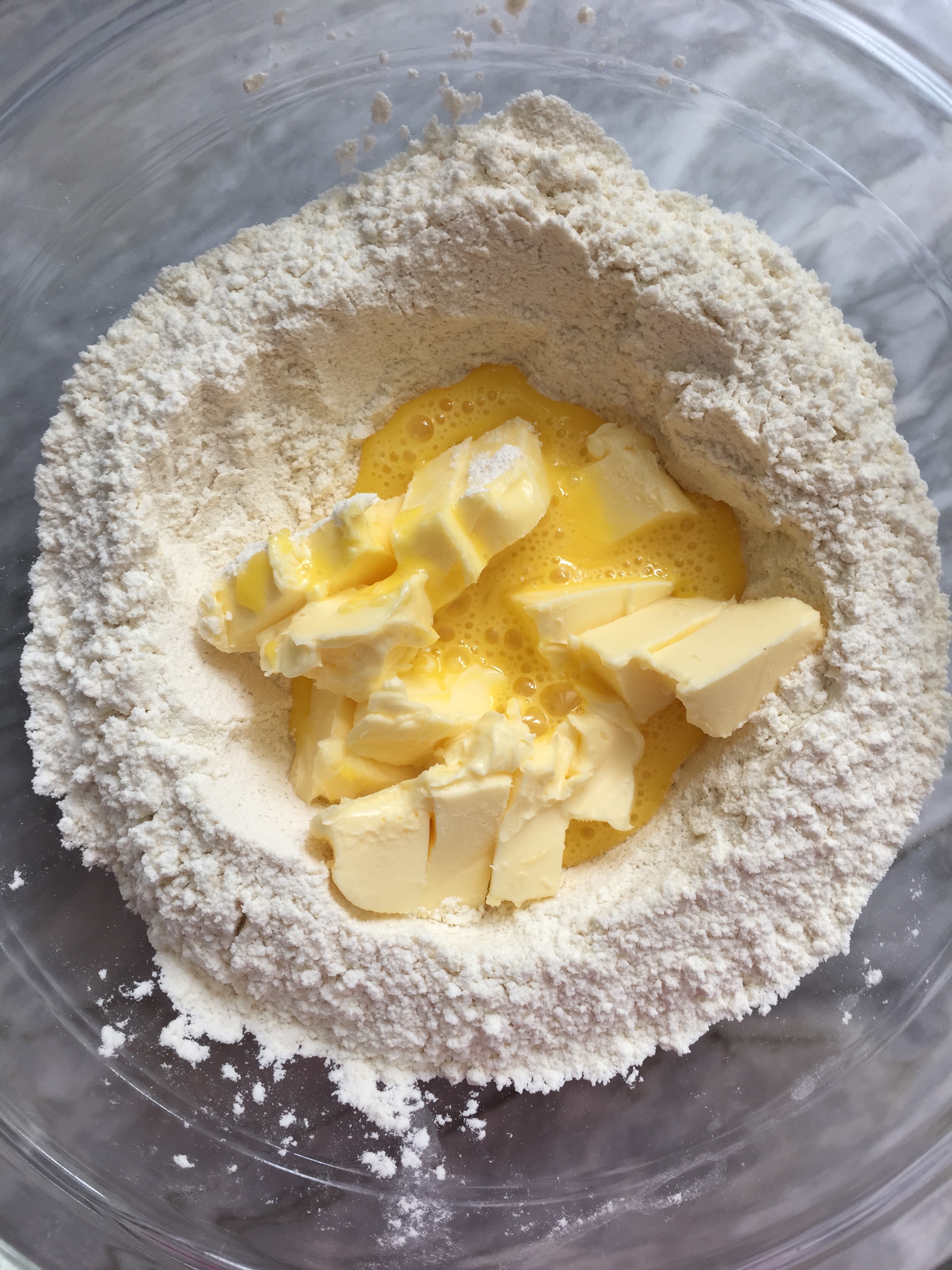
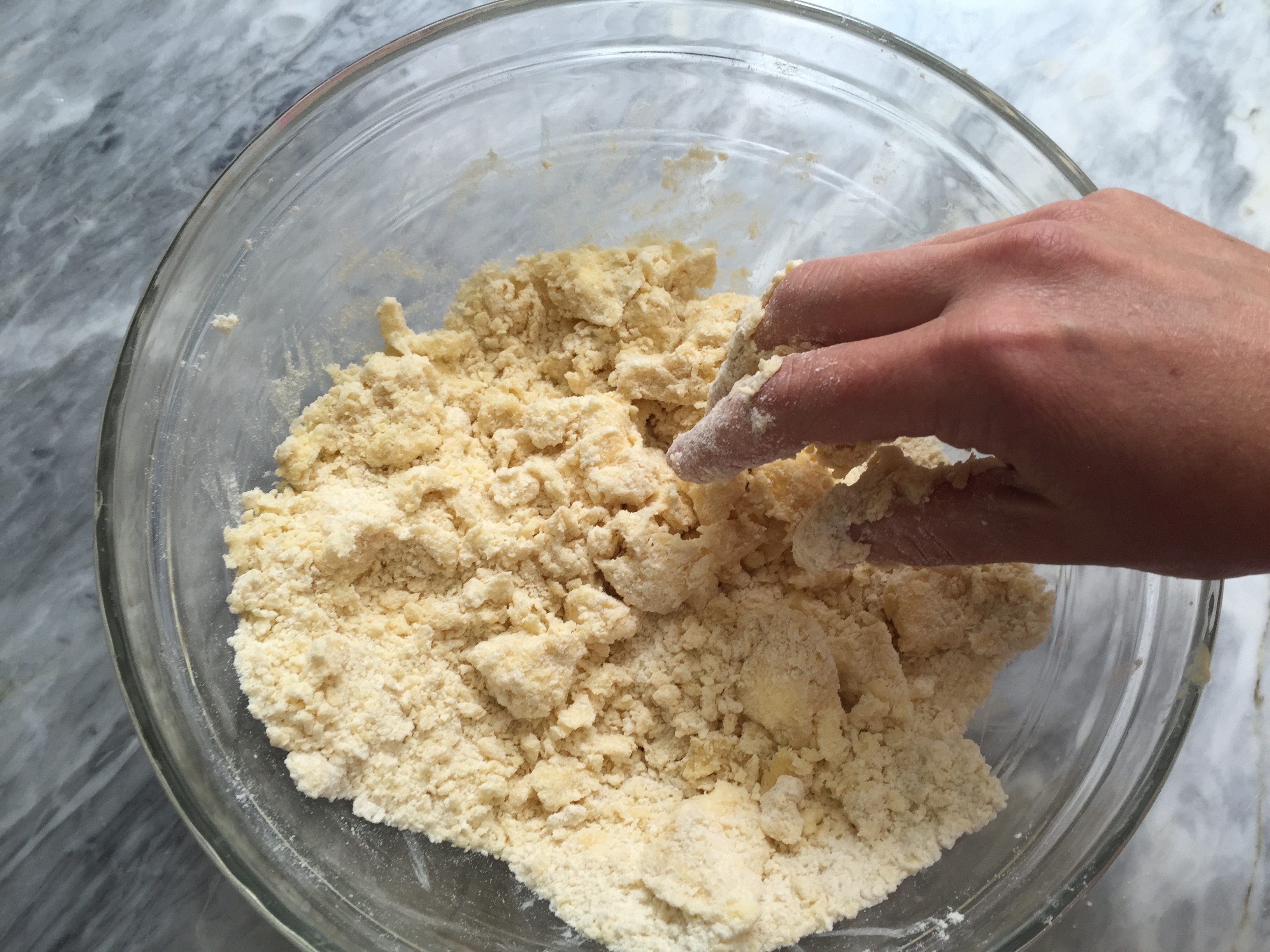
Make the dough: Combine 1 ¼ cups flour, ¼ cup sugar, and salt in a large bowl. Form a well in center of the dry ingredients and place the butter and 1 lightly beaten egg in the well. Using your hands, mix the ingredients into a soft, pliable dough. Form it into a 4-inch disk and place it on a lightly flour parchment paper. Lightly dust the dough with flour and roll it into a 10-inch circle. Place the dough with parchment on a baking sheet, cover the dough with plastic wrap, and chill for 10 minutes. Preheat oven to 375°.

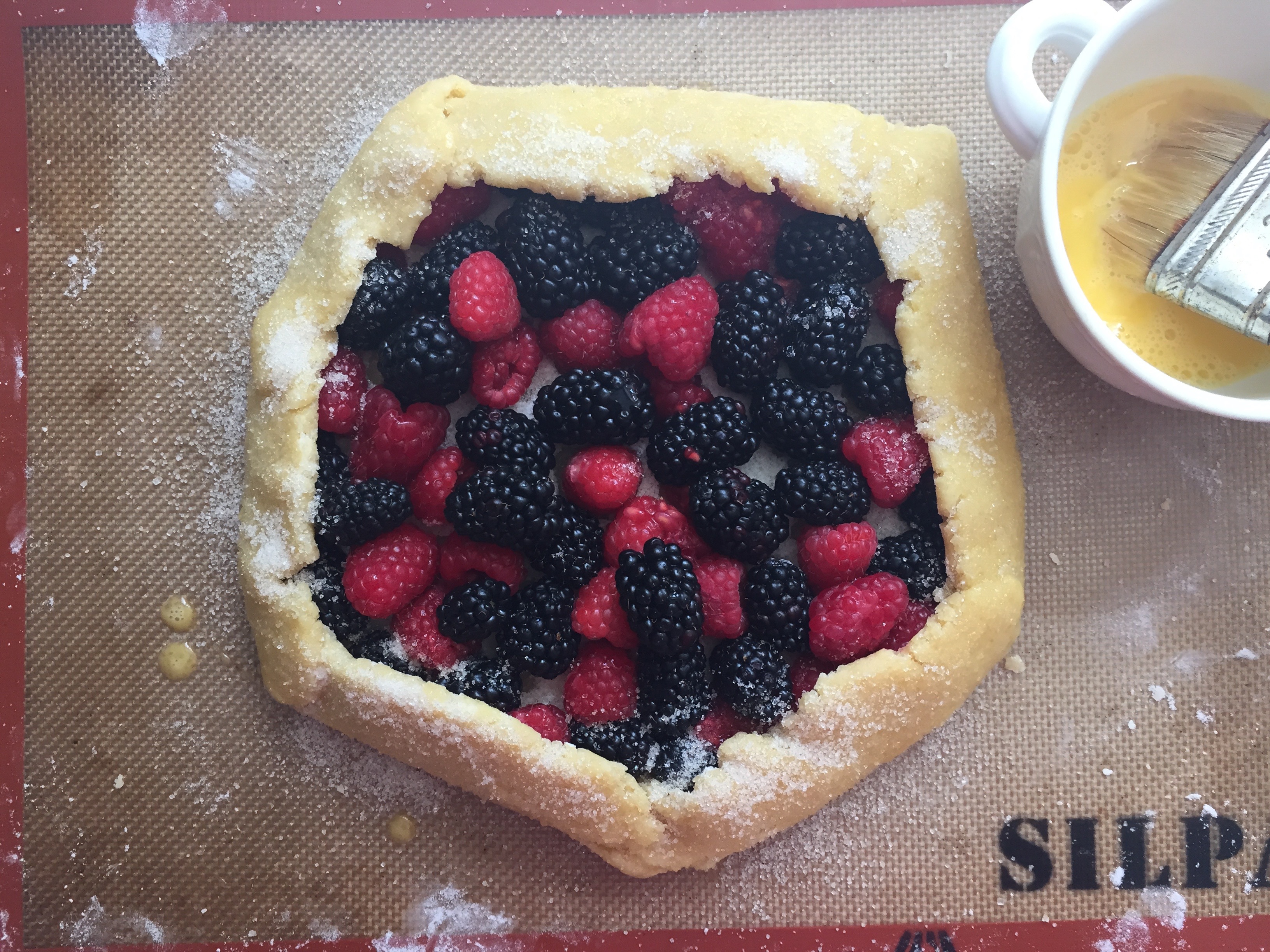
Make the crostata: In a small bowl, mix remaining flour and sugar and set aside. Remove the dough from the refrigerator and evenly spread the flour and sugar mixture on the dough, leaving a 1-inch-wide border around the edge. Place berries on top of the mixture and sprinkle with lemon juice. Fold the 1-inch border over the top of the berries to form a 9-inch crostata.

Bake the crostata: Lightly beat the remaining egg. Brush the top of the crostata dough with the egg wash and sprinkle with turbinado sugar. Bake on the middle rack of the oven- about 35 minutes. Remove from the oven and slide crostata with the parchment paper onto a wire rack. Cool for 1 hour. Serve warm or at room temperature.

Dry-ingredients-with-egg-and-butter
Make a well in the center of the dry ingredients and add the softened butter and one lightly beaten egg.
Crostata-mixing-dry-and-wet-ingredients
Use your fingers to mix the dry and wet ingredients together.
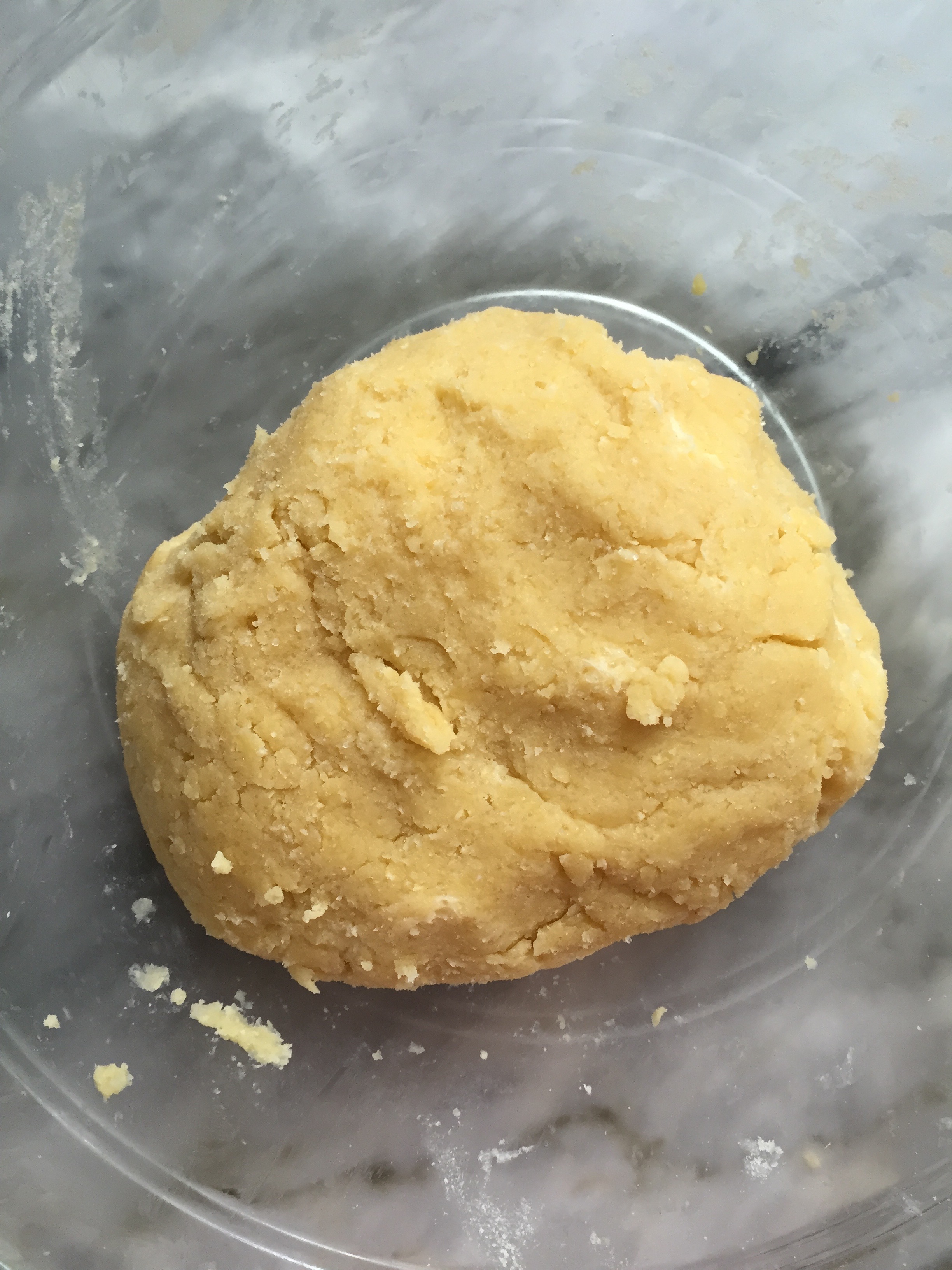
Crostata-dough-is-ready-to-roll
The dough has come together and is ready to roll.
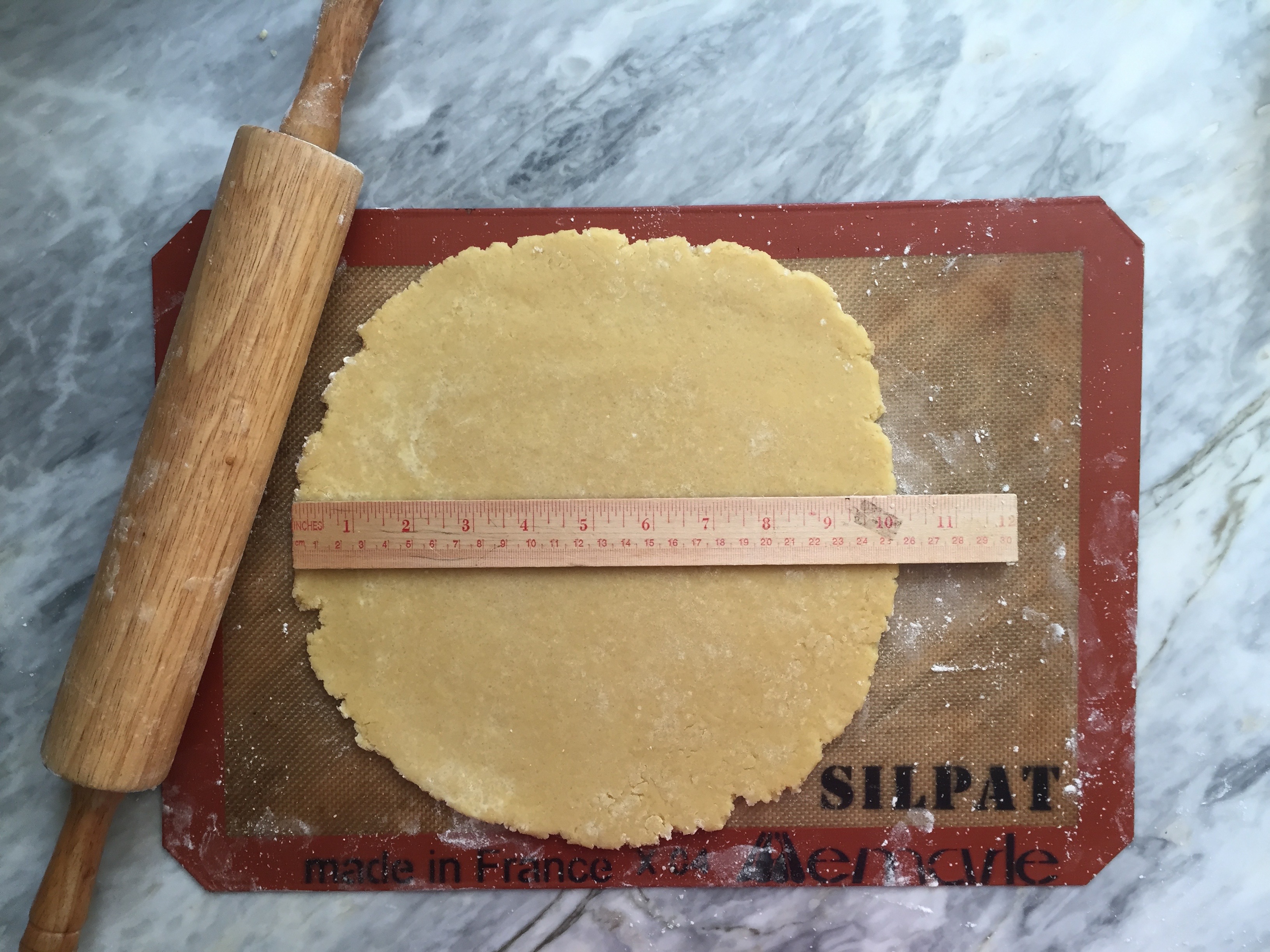
Crostata-dough-on-floured-surface
Lightly flour your parchment paper or silicone liner, as well as the dough.
crostata-10-inch-crostata-crust
Roll the dough into a 10-inch round.
Crostata-berries-on-crust
Scatter berries on top of flour/sugar mixture.
Crostata-edges-folded-over
Fold a 1-inch border over the berry filling.
Crostata-edges-brushed-with-egg-and-sugar
Brush the crostata edges with lightly beaten egg and sprinkle with sugar.
Crostata-cooling-on-a-wire-rack
Transfer the crostata to a wire rack to finish cooling.

Chocolate Chunk Cookies

Chocolate-Chunk-Cookies

Chocolate-Chunk-Cookies

What more can you say about chocolate chip cookies? They have been around for over 75 years, invented by Ruth Wakefield who owned and operated the Toll House restaurant in Whitman, MA. If you’re interested in learning more, please see this New Yorker article for an interesting history of one of America’s most iconic sweets.

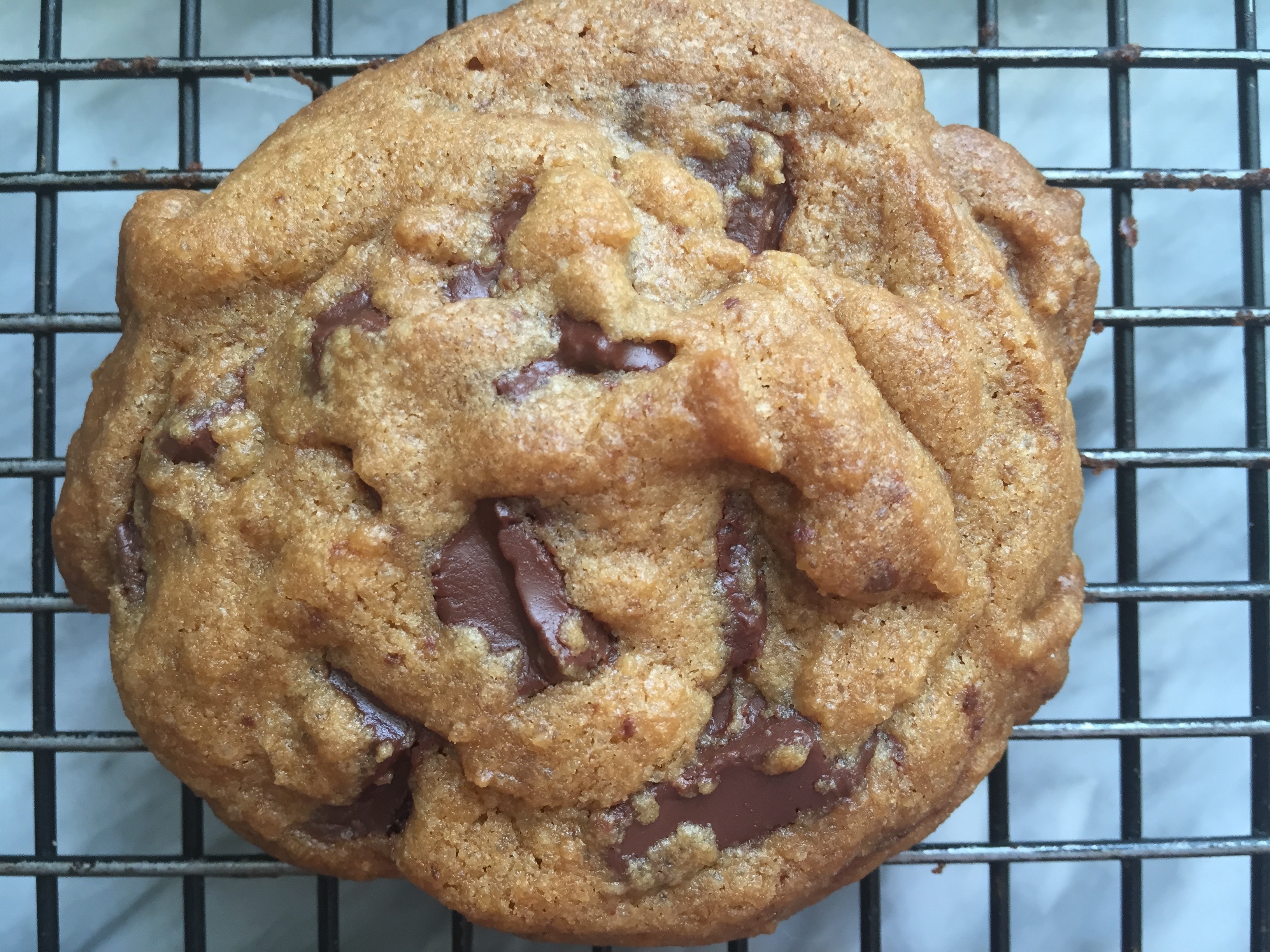
Today there are an infinite number of chocolate chip cookie recipes, but your  hunt for the best is over. Chocolate Chunk Cookies stand apart from the competition because of the chunks, not just any chunks, but coarsely chopped or broken pieces of bittersweet chocolate. The size of the larger pieces combined with bittersweet chocolate make all the difference. A very smart friend mentioned another bonus- these cookies are better for you because of all the antioxidants in the dark chocolate. So pour a glass of red wine milk and enjoy.

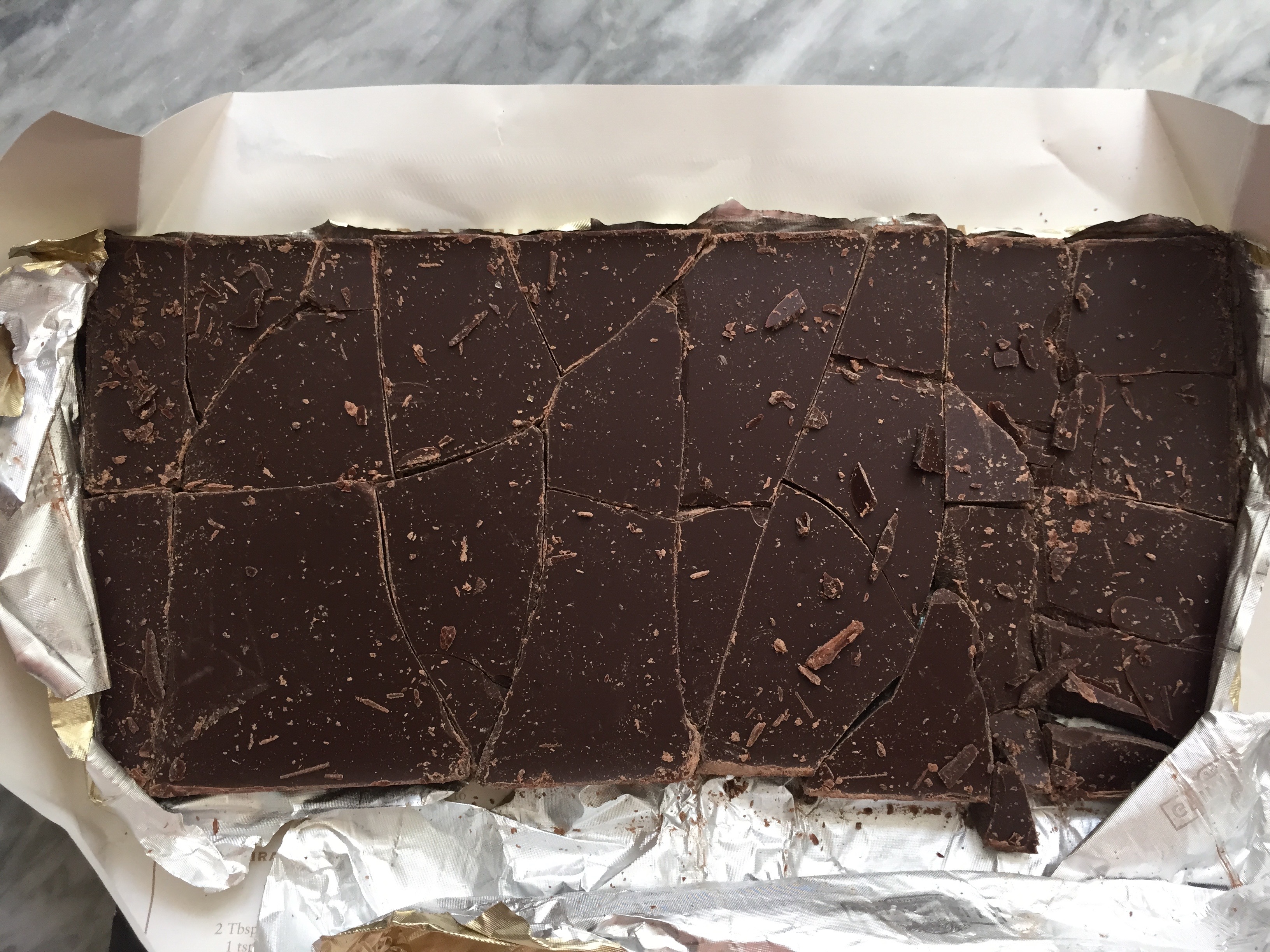
Making Chocolate Chunk Cookies is pretty straightforward. Cream butter and sugar, add an egg, some flour, baking soda, salt, vanilla, and most importantly the bittersweet chocolate. The best part is “coarsely chopping” the chocolate. And by coarsely chopping I mean whacking the wrapped bars against the countertop.  Multiple times. Of course, if you want to chop, go right ahead. But smashing those chocolate bars does feel pretty good.

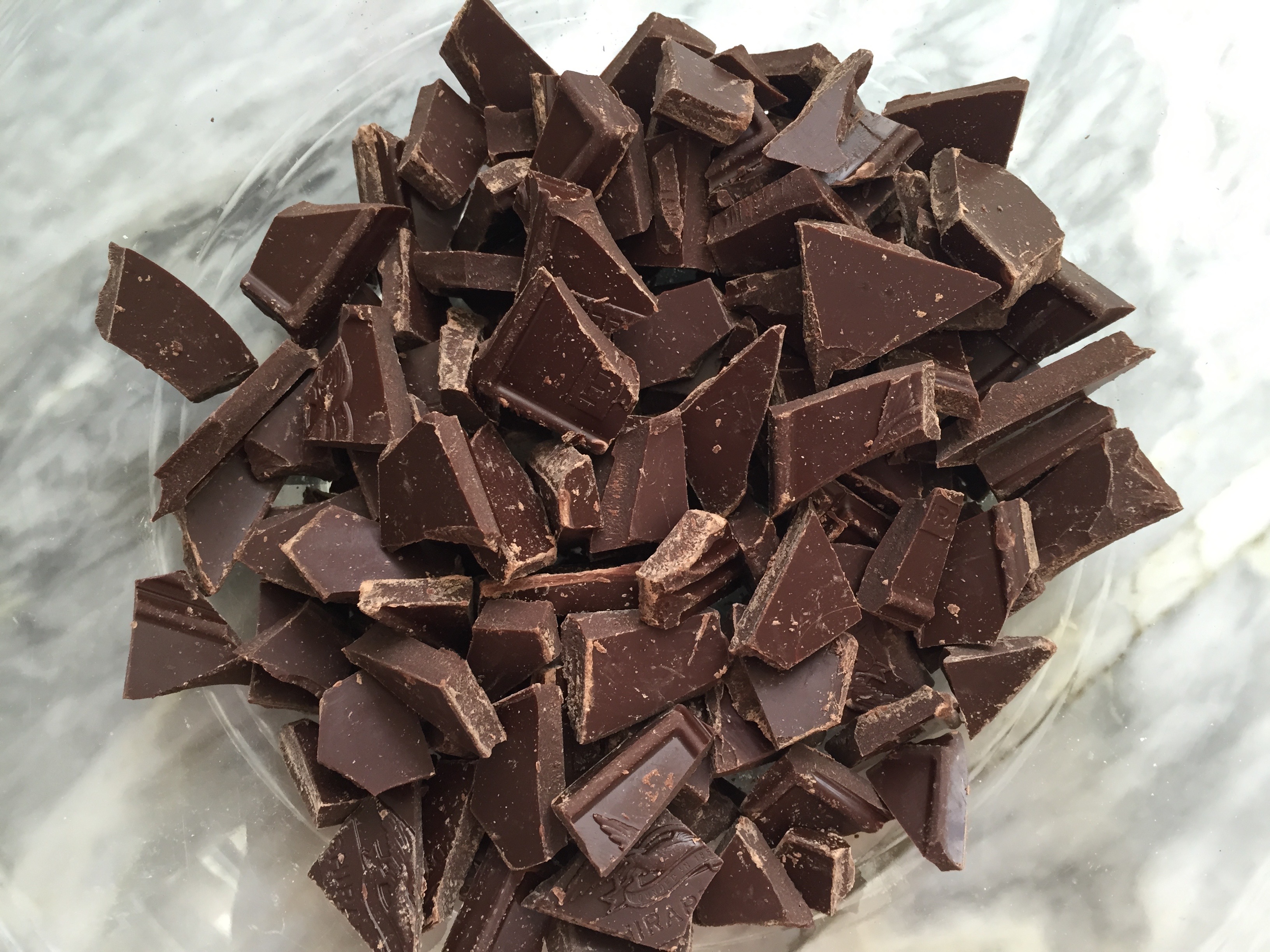
After repeatedly whacking the chocolate, carefully unwrap to reveal your chunks.
Use your fingers to break any larger pieces of chocolate into more
Use your fingers to break any larger sections of chocolate into more “bite sized” pieces.

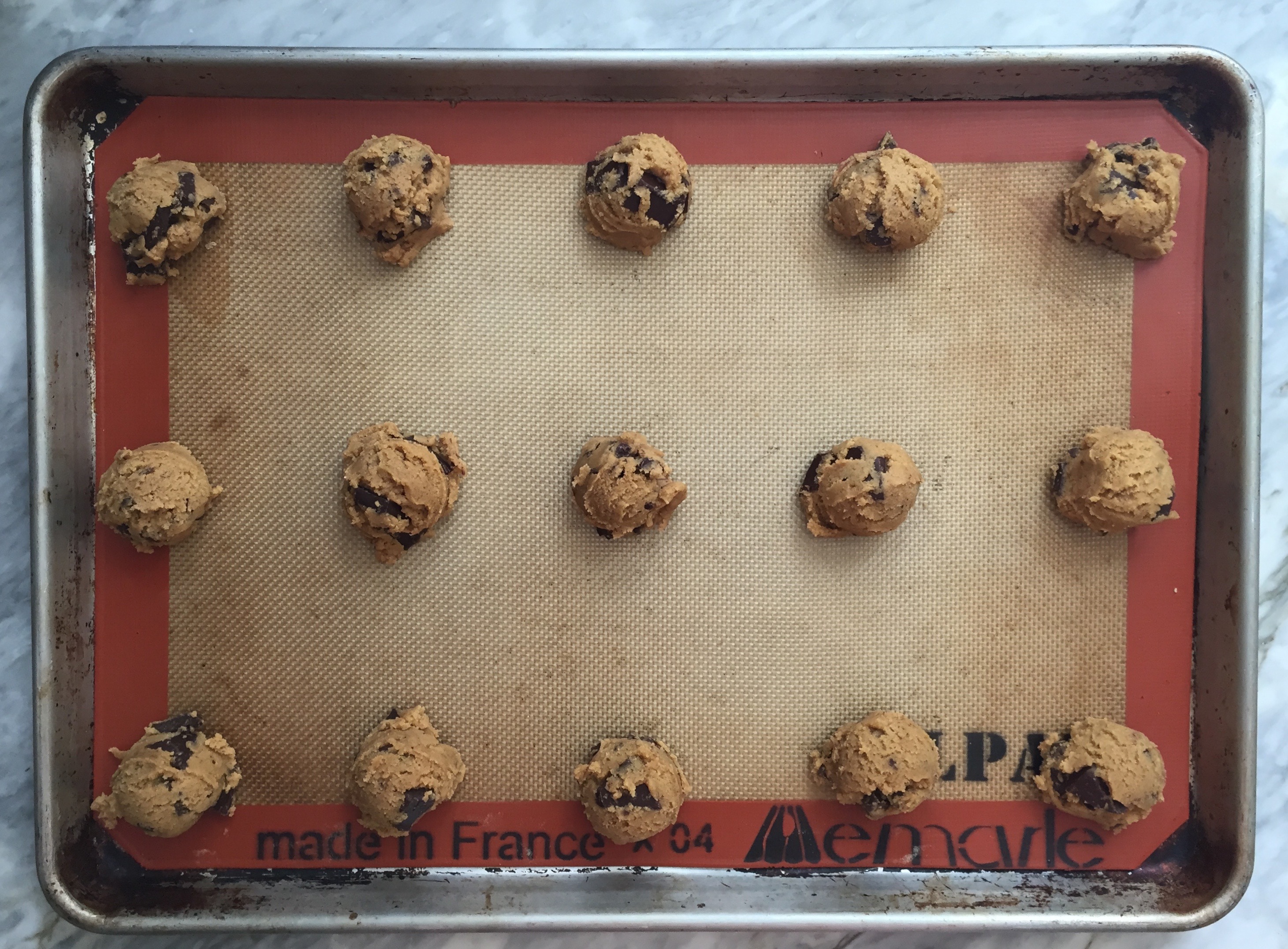
My favorite tool to use for scooping cookie dough, muffin or cupcake batters is an ice-cream scoop. Everything comes out perfectly uniform and I don’t have to spend time scraping spoons to get the dough or batter to drop.

Use an ice-cream scoop to drop perfectly portioned and even cookie dough rounds.
Use an ice-cream scoop to drop perfectly formed and portioned cookie dough rounds.

The other tool I get quite a bit of use out of is a reusable silicone liner. Nothing sticks- from candied nuts to cookies. Parchment paper works just as well, though cannot be reused.

Cookie dough about to go into the oven.
Fresh out of the oven and cooling on a wire rack.

Chocolate Chunk Cookies

  • Servings: approximately 30 cookies
  • Print

*adapted from Lee Bailey’s Country Desserts

Ingredients:
2 cups all-purpose flour
1 teaspoon baking soda
½ teaspoon salt
½ cup (1 stick) plus 2 Tablespoons (1/4 stick) unsalted butter, softened
½ cup firmly packed light brown sugar
½ cup firmly packed dark brown sugar
¼ cup granulated sugar
1 large egg
1 ½ teaspoons vanilla extract
¾ cup coarsely chopped walnuts**
8 ounces bittersweet chocolate (such as Ghiradelli or Guittard), coarsely chopped or broken

Instructions:
Preheat oven to 375°.

Sift together the flour, baking soda, and salt. Set aside.

Cream the butter and sugars until smooth, about 4 minutes. Add the egg and mix well. Add the flour mixture and beat thoroughly. Stir in the vanilla, then fold in the nuts and chocolate chunks.

Drop in 2 Tablespoon clumps onto an ungreased cookie sheet, leaving several inches between for expansion.

Bake for 10-12 minutes, or until the bottoms are lightly browned. Let cool for a minute or two on the cookie sheet, then remove to a wire rack to finish cooling. Repeat with remaining batter until used up.

**The walnuts are terrific, adding even more chunks (and antioxidants) to this delicious cookie.  However, because this particular batch was for a school function the cookies had to be nut free, and were just as tasty without them.

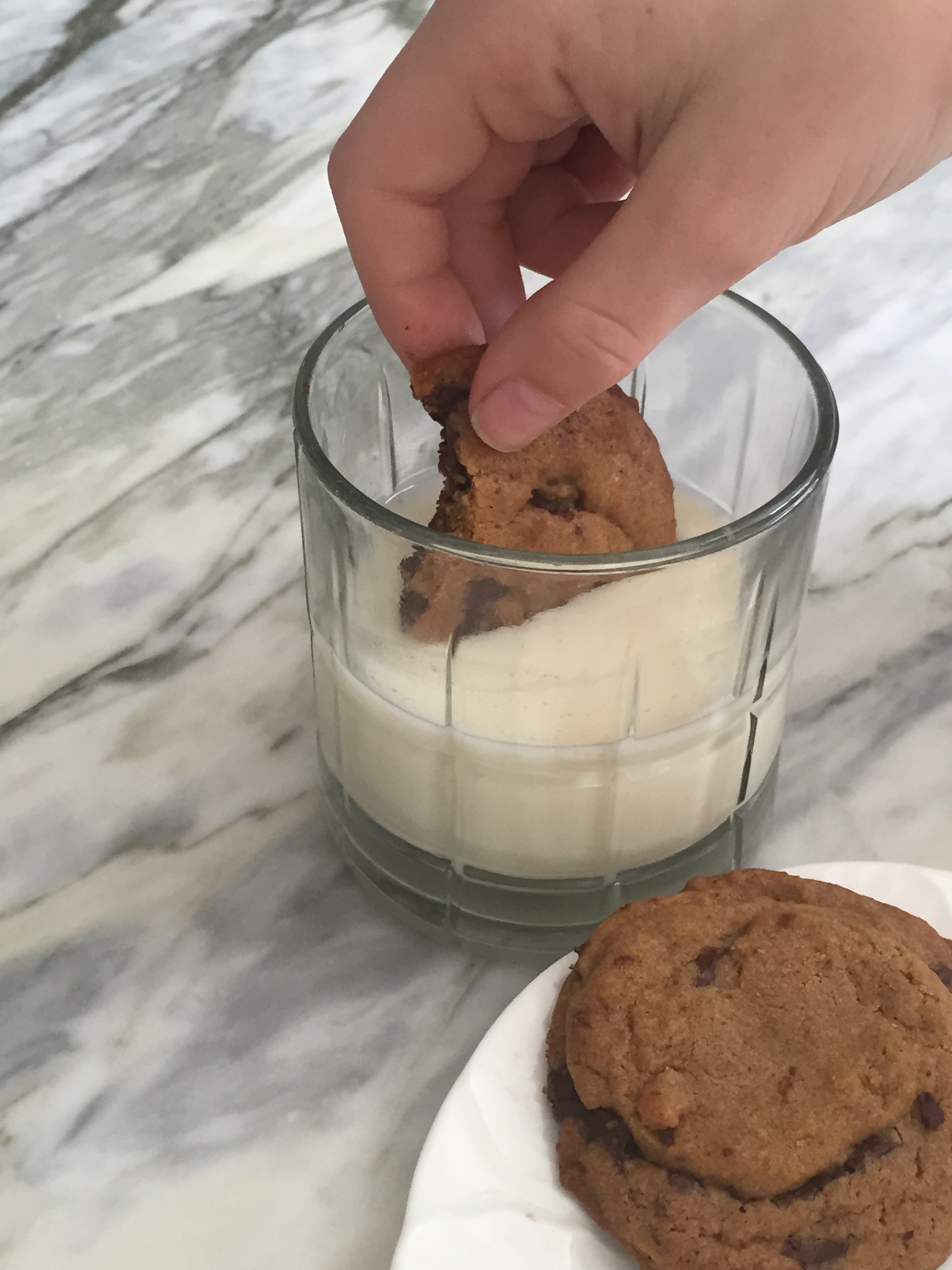
Serve with milk... or red wine... or even whiskey according to the New Yorker article.
Serve with milk… or red wine… or even whiskey according to the New Yorker article.

Pizza

Sunday night is pizza night at White House Red Door. This is different than when I grew up; back then Friday night was pizza night. Our go to pizzeria was right next to the train station, which meant my mom could call in the order, timing it perfectly with dad’s commute home from NYC. He’d hop off the train, grab the pizza (Sicilian style for him, regular pie for us), and head home. Toppings varied from week to week based on who was eating with us, but the general drill stayed the same. Friday night was pizza.

Out of the oven, the pizza is resting before we dig in!

Just two towns over, my husband’s family (though I didn’t know him at the time) grew up with Sunday night pizza night. His mom deserved a much needed break from the daily ritual of dinner making (my husband is one of six kids!), and they had their own favorite local pizza place.

Years later, after a move to a rural town without good pizza, my mother-in-law took matters into her own hands, literally! She had an oven dedicated to pizza making installed. Lucky for me I was on hand one Sunday evening. I had never had “homemade” pizza. Well, I take that back… the only homemade pizza I had growing up was English muffin pizza. Not that there is anything wrong with that! Delicious in its own right, a personal pizza I could bake and customize all by myself. My taste memories of English muffin pizzas rank right up there with the frozen individual pot pies we had when my parents were going out for the night, leaving a babysitter in charge. Ahh… the culinary pleasures of growing up in the 70s and 80s! But I digress!

Back to my mother-in-law, homemade pizza made in a dedicated pizza oven?! Homemade dough, too?! It was an eye-opening experience; she had complete control of the dough to sauce to cheese ratios and it was faster than ordering and picking up (or waiting for delivery). But most importantly the taste was amazing! That Sunday night was a game changer for me.

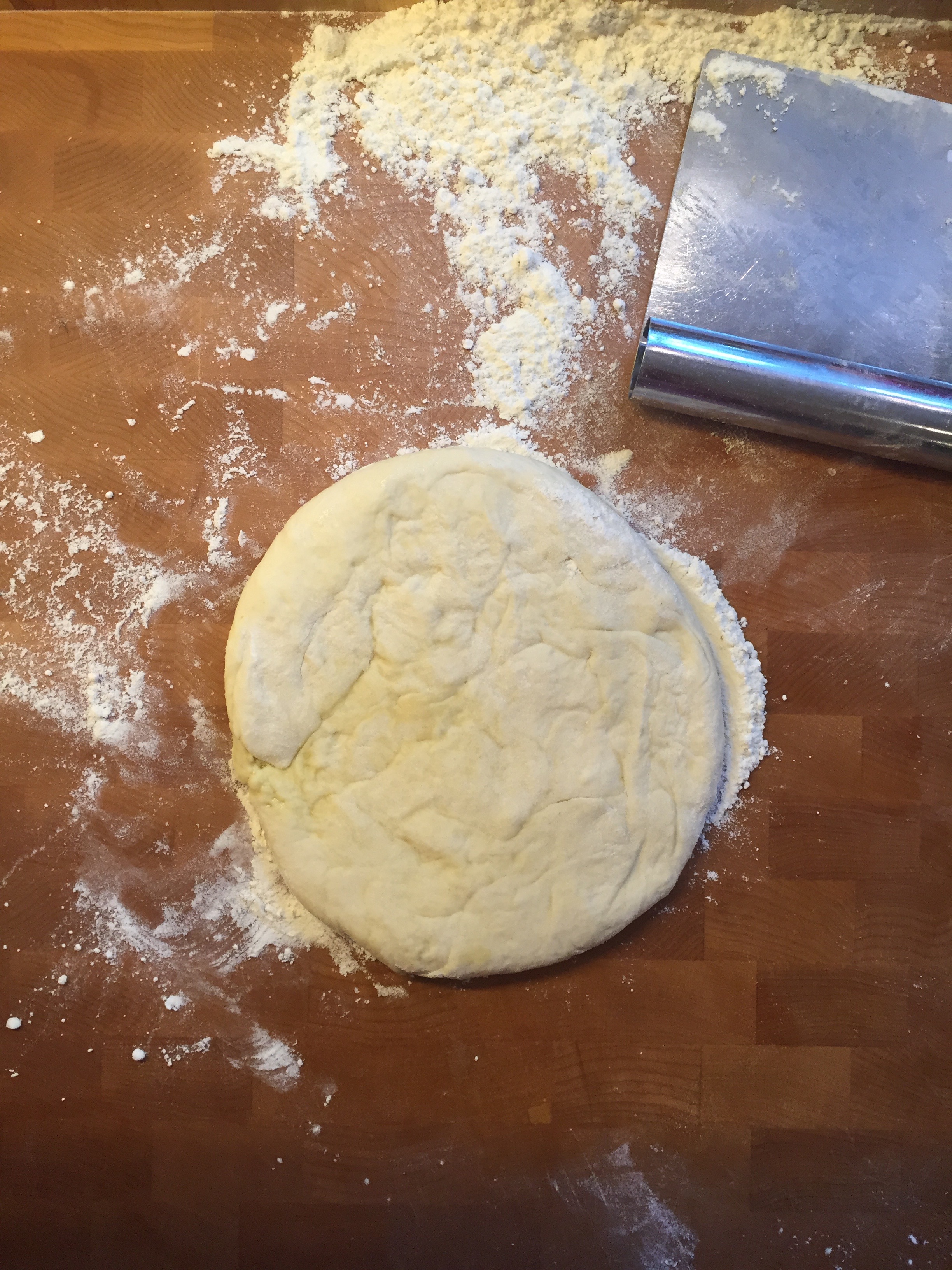
The dough is ready to roll out...
The dough is ready to roll out…

But how do you make pizza without a dedicated pizza oven? The answer for us (and you) is a baking stone, a flat baking surface made of ceramic or stone, easily found in kitchen or home stores, as well as online. Our stone has been well loved; every Sunday night for the past 17 years it has been pulled out from its normal resting place among sheet pans and cutting boards and called into service. The stone is placed on a rack about 6-7 inches from the top of the oven and preheated for at least 45 minutes at the highest temperature the oven will go, for us, 550°. Adding the stone and preheating for an extended period of time allows your oven to mimic the clay or brick oven your favorite pizza place uses. Because the stone has preheated for so long, thoroughly absorbing and radiating all that heat, your crust will start cooking as soon as it hits the stone. And because you have set the stone in the upper part of the oven, the top will immediately start cooking as well. The crust and the top cooking simultaneously is key. No one wants to eat burnt cheese on raw dough, or vice versa, burnt crust under cheese that hasn’t completely melted.

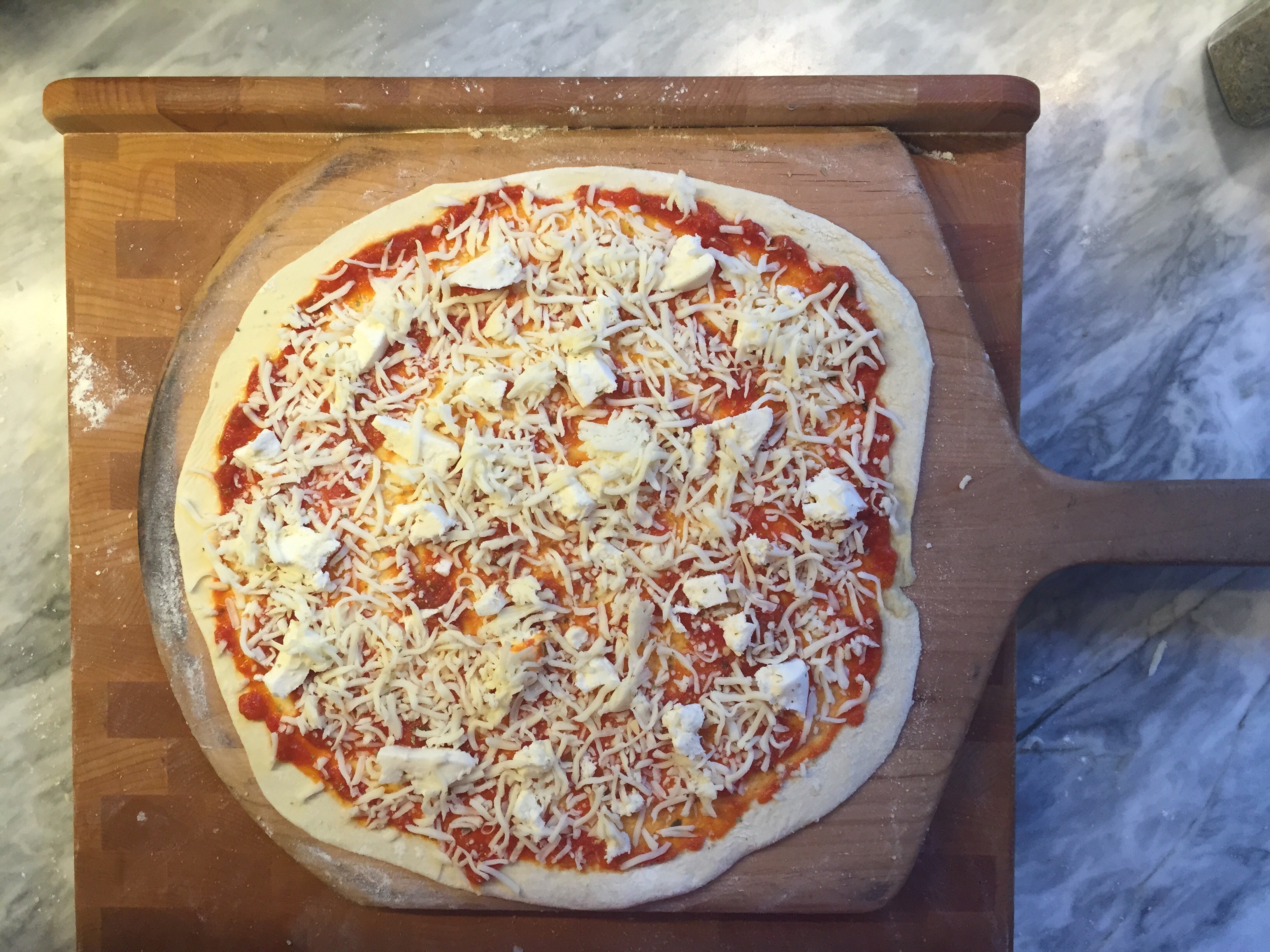
After rolling, the dough is transferred to a well floured pizza peel.

My husband is terrific in the kitchen, and Sunday night is his night. Earlier in the day, I make the dough- it only takes 20 minutes- and set it aside to rise, at least 2 hours. Don’t let the thought of making dough intimidate you! No special equipment or talent is needed. If that doesn’t suit you, go buy some dough. Most grocery stores carry it; I’ve even bought dough from a nearby pizza place in a pinch.

Use your favorite store bought sauce or make your own.

But please, do try making homemade pizza. It’s fun, tasty, and may even leave you with the feeling that you don’t have to reach for the phone every time you want to have a pizza night. Finally, a special hats off to our favorite childhood pizza places, Sunrise Pizzeria and Pizza Post, upon which every slice we eat is compared.

Topped with fresh and shredded mozzarella, dried herbs, and a sprinkle of salt.

Let me know how it goes… I’d love to hear from you!

With a quick flick of the wrist the pizza is moved from the peel to pizza stone.
With a quick flick of the wrist the pizza is moved from the peel to pizza stone. Dinner will be ready in 8-10 minutes.

Basic Pizza Dough

  • Servings: 2 round pizzas, about 12 inches wide, depending upon how thin you make them
  • Print

*adapted from Essentials of Italian Cooking by Marcella Hazen

According to Marcella Hazen, “the recipes for pizza dough are beyond numbering. Although some formulas are certainly better than others, none may credibly claim to be the ultimate one. What matters is knowing what you are looking for. I like pizza that is neither too brittle and thin nor too thick and spongy, a firm chewy pizza with crunch to its crust. The dough that has satisfied my expectations most consistently is the single-rising one given below. I have never succeeded in getting the texture I like from pizza baked in pans, so I prefer to do mine directly on a baking stone.”

Ingredients:
1 ½ teaspoons active dry yeast
1 cup lukewarm water
3 ¼ cups unbleached flour
extra virgin olive oil
1 Tablespoon for the dough,
1 teaspoon for the bowl,
and some for the finished pizza
½ Tablespoon salt
A baking stone
A baker’s peel (paddle)
Cornmeal and/or flour

Instructions:
Dissolve the yeast completely in a large bowl by stirring it into ¼ cup lukewarm water. When dissolved, in 10 minutes or less, add 1 cup flour and mix thoroughly with a wooden spoon. Then, as you continue to stir, gradually add 1 Tablespoon olive oil, ½ Tablespoon salt, ¼ cup lukewarm water, and 1 cup more flour. When putting in flour and water for the last time, hold back some of both and add only as much of either as you need to make the dough manageable, soft, but not too sticky.

Starting the dough... all you need is flour, yeast, water, olive oil and salt
Starting the dough… all you need is flour, yeast, water, olive oil and salt

Take dough out of the bowl, and slap it down very hard against the work counter several times, until it is stretched out to a length of about 10 inches. Reach for the far end of the dough, fold it a short distance toward you, push it away with the heel of your palm, flexing your wrist, fold it, and push it away again, gradually rolling it up and bringing it close to you. Rotate the dough a one-quarter turn, pick it up and slap it down hard, repeating the entire previous operation. Give it another one-quarter in the same direction and repeat the procedure for about 10 minutes. Pat the kneaded dough into a round shape.

Slap the dough on the work counter until you have a 10

Starting at the end furthest from you, fold it towards you, then push it away with the heel of your palm. Continue folding and pushing it away until you have rolled it up. Turn the dough one-quarter and start the procedure over again.

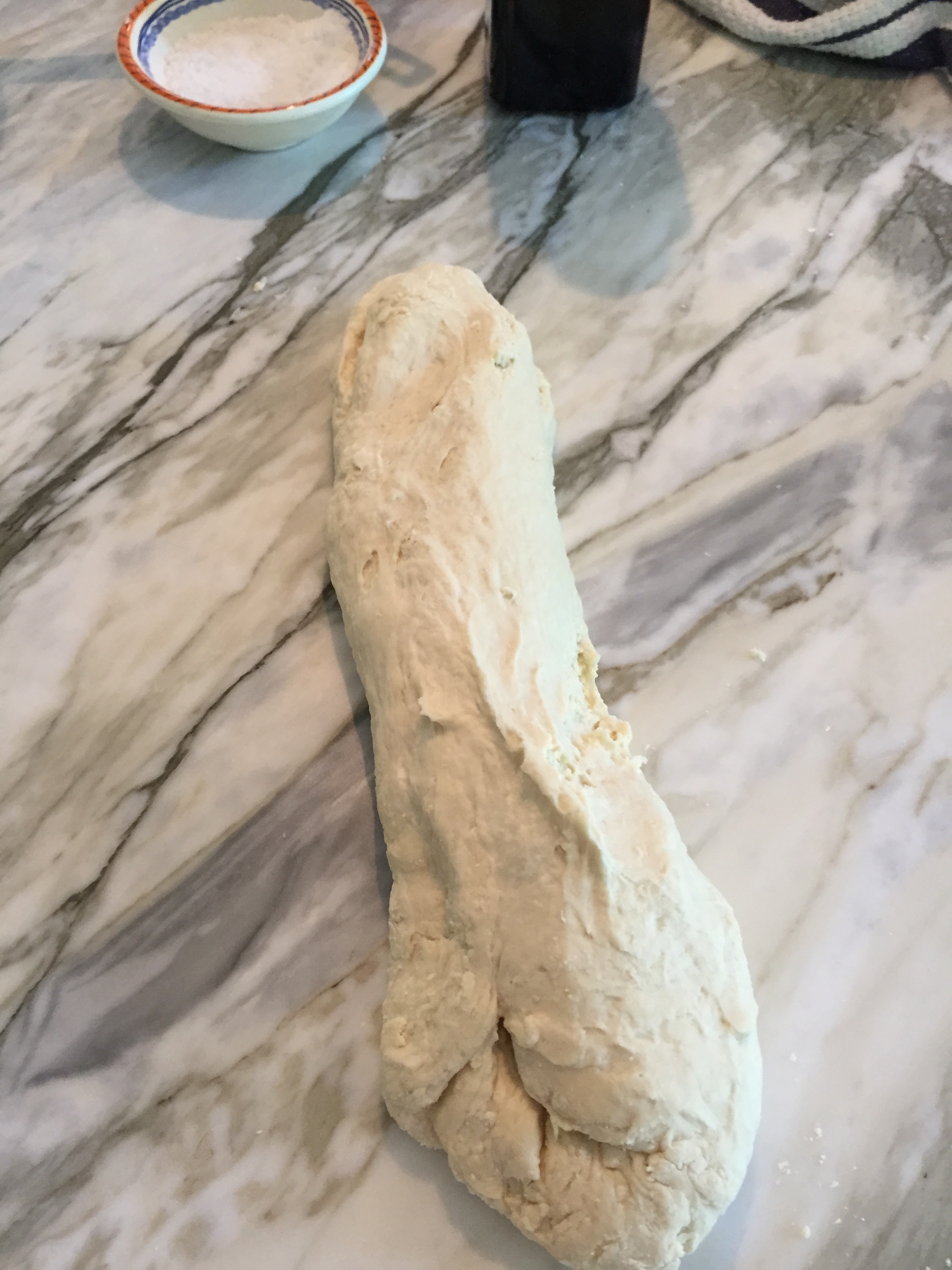
After about 10 minutes of kneading, the dough will be smooth and elastic. It is ready to rise.

Film the inside of a clean bowl with 1 teaspoon olive oil, put in the dough, cover with plastic wrap, and put the bowl in a protected, warm corner. Let the dough rise until it has double in volume, about 3 hours. It can also sit a while longer.

The dough has doubled in bulk and is done rising.

At least 45 minutes before you are ready to bake, put the baking stone in the oven and preheat oven to at least 500°. The stone should be placed on a rack that is about 6-7” from the top of the oven.

Sprinkle your work surface generously with flour. Take the risen dough out the bowl and divide in half. Set one half aside and cover while you roll out the other half. Put that half on your work surface and flatten it as thin as you can, opening it out into a circular shape, using a rolling pin, but finishing the job with your fingers. Leave the edges somewhat higher than the rest. Carefully transfer the dough to a pizza peel generously dusted with flour or cornmeal.

Put the topping of your choice on the dough, and slide it, jerking the peel sharply away, onto the preheated baking stone. Bake for 8-10 minutes, but watch carefully! Each oven‘s cooking time will vary. As soon as it is done, drizzle lightly with olive oil. Follow the same procedure with the other half of dough, or freeze it for another day.