

Happy Chinese New Year! Monday, February 8th marks the Chinese New Year, the Year of the Monkey. Billions, that’s right, billions(!) of people are expected to travel within China over the next couple of weeks. It really is a mass migration as people go home to celebrate this holiday with their families. And when families get together over holidays, there is sure to be delicious food.
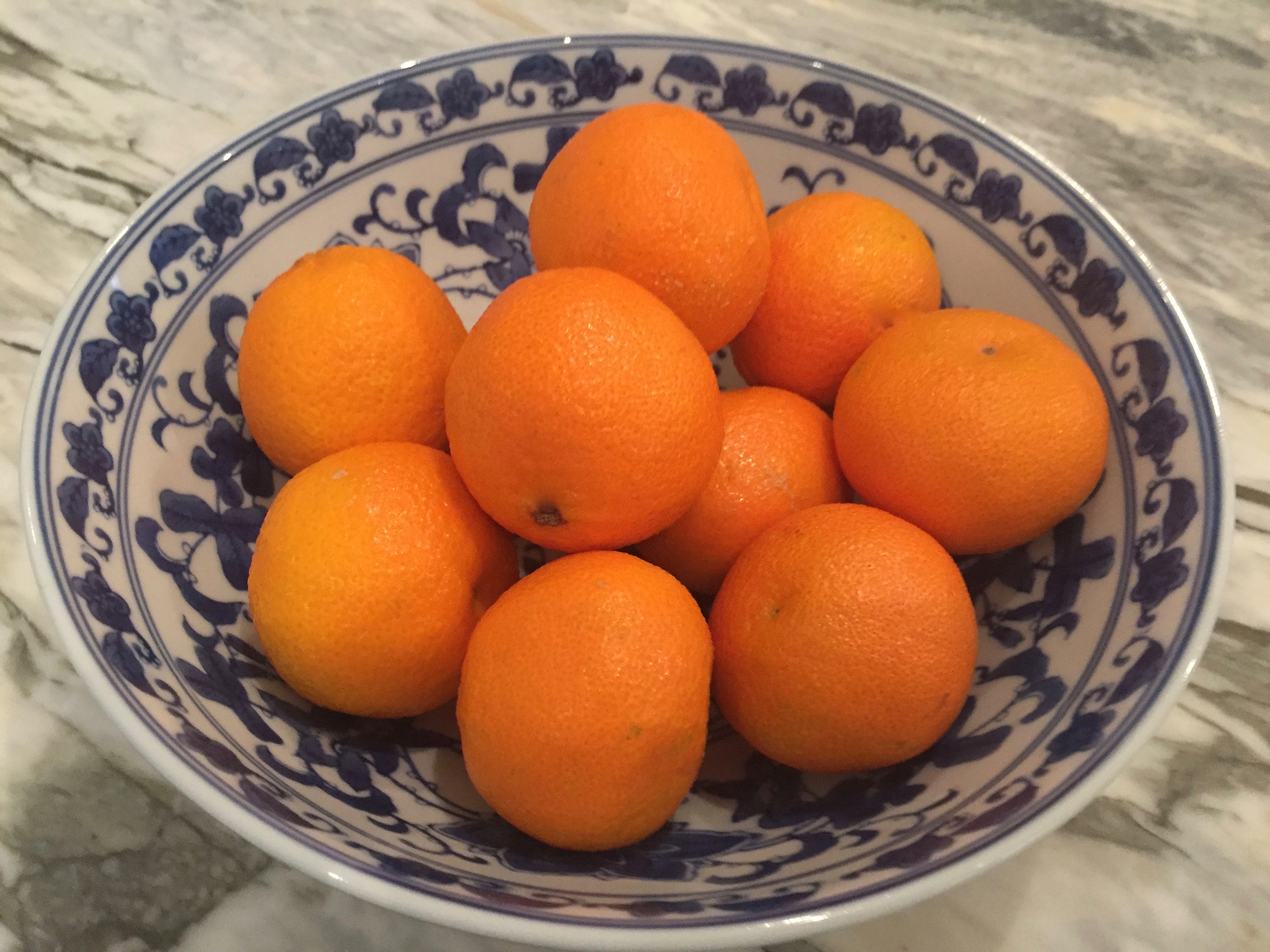
The foods associated with Chinese New Year are very symbolic and are meant to bring good fortune, longevity, and happiness. Oranges and tangerines are often displayed and eating them is said to bring prosperity and luck. The Chinese words for gold and orange sound alike, and the word for tangerine is similar to the word for luck.

Another play on words is associated with fish. The Chinese word for fish sounds like the word for abundance. Fish is often on the menu for the Chinese New Year, and is served whole signifying a good beginning and ending to the New Year. To serve two fish is even better, one on New Year’s Eve and the other offered on New Year’s Day, guaranteeing good fortune year after year.

One of my favorite Chinese dishes (New Year’s or not) is Hot and Sour Soup. Unfortunately, so many restaurant versions are too thick and viscous, almost coming off as slimy, victims of cornstarch added by a heavy hand. This homemade version is infinitely tastier. Instead of cornstarch to thicken the soup, eggs are whisked in to add body without muddling the bright tangy flavor of the vinegar or heat of the pepper. Ground pork is not traditional, but is faster than roasted pork. The original recipe comes from Joanne Chang of Flour Bakery and Myers and Chang restaurant in Boston. I’ve cut the ground pork in half, and doubled the amount mushrooms. You can easily make this completely vegetarian by eliminating the pork all together and using a vegetable broth instead of chicken stock. You’re in complete control of the tanginess and the heat, both quickly adjusted to your taste by ramping up or toning down the rice vinegar and Sriracha sauce.
Now, I’m off to make Longevity Noodles. The key is not to cut the noodles… the longer the noodle, the longer your life. Will post Friday!

Hot and Sour Soup
adapted from Flour, Too by Joanne Chang
Ingredients:
2 Tablespoons vegetable oil
1 clove garlic, smashed and minced
1 Tablespoon peeled and grated fresh ginger (about 1 ½ inch piece of ginger)
4 scallions, white and green parts, minced, set aside 2 Tablespoons sliced for garnish
4 oz ground pork
4 cups low sodium chicken broth
1 lb block firm tofu, (not silken or extra firm) cut into ½ inch cubes
8-10 medium button mushrooms, wiped clean and thinly sliced
1 teaspoon granulated sugar
2/3 cup rice vinegar
3 Tablespoons soy sauce
1 teaspoon freshly ground black pepper
1 Tablespoon sesame oil
1 Tablespoon Sriracha sauce
2 large eggs
Instructions:
In a large saucepan, heat the oil over medium high heat. Add the garlic, ginger, scallions, and ground pork and cook, stirring occasionally, for about 1 minute. Break the pork into smaller pieces, but don’t worry about breaking it down completely. Add the stock and bring to a simmer.
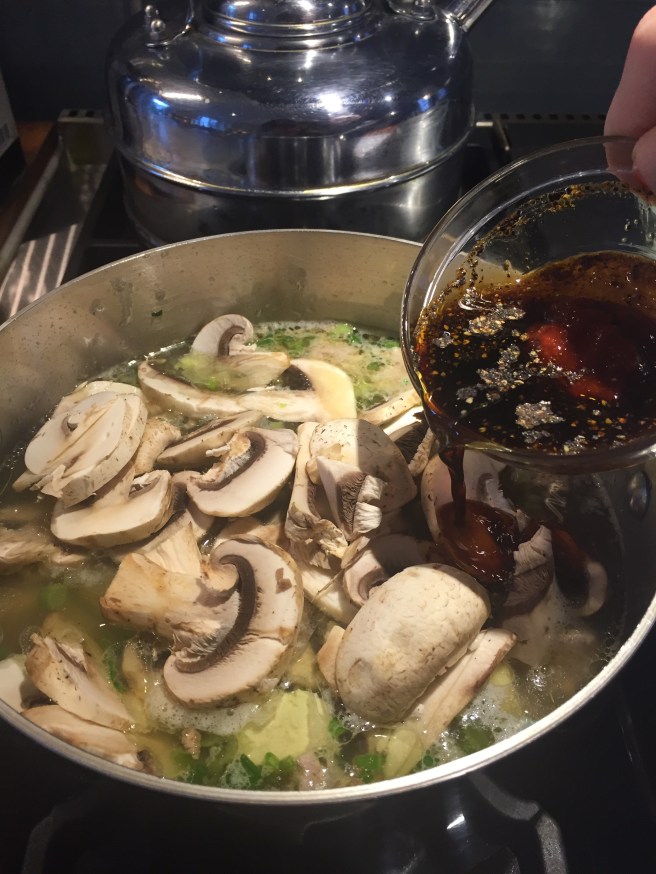
Add the tofu, mushrooms, sugar, vinegar, soy sauce, black pepper, sesame oil, and Sriracha sauce and bring the soup back to a simmer over medium high heat. (Taste the soup. If you want it hotter, add more Sriracha; if you want it more sour, add more vinegar.)
In a small bowl, whisk the eggs until blended. With the soup at a steady simmer, slowly whisk in the eggs so they form strands. Bring the soup back to a simmer. Divide the soup among four bowls and garnish each with a sprinkling of scallions. Serve immediately. The soup can be stored in an airtight container in the fridge for up to 3 days.







 England and Ireland. For Americans, the name itself is rather confusing as this dessert contains neither plums nor is it a pudding in the Jell-O sense of the word. The “plums” are actually a pre-Victorian term for raisins and pudding is a reference to dessert in general. Some compare plum pudding to fruit cake, but I respectfully disagree. My family’s plum pudding is not heavy and dense like a fruitcake. It is light in texture, but very rich in flavor; heady with cinnamon, cloves, mace, and brandy. Served with a dollop of chilled hard sauce which begins melting as soon as it hits the warm pudding… it’s like tasting Christmas.
 throughout my father’s childhood, and then passed the recipe on to my mother, who continues to make it to this day. The handwritten recipe from my grandmother refers to the pudding as “Aunt Annie’s Plum Duff.” It seems that centuries ago, the pudding would have been steamed or boiled in cloth, but during the Victorian era the cloth was replace by pudding molds. That said, modern recipes for “duff” do exist and usually instruct the reader to boil the pudding in cloth rather than “pudding” recipes that use a mold. Perhaps my great great aunt originally boiled her pudding in cloth? Unfortunately, I’ll never know. What I do know is that my grandmother steamed her puddings in coffee cans lined with buttered wax paper. And today, I use pudding molds.
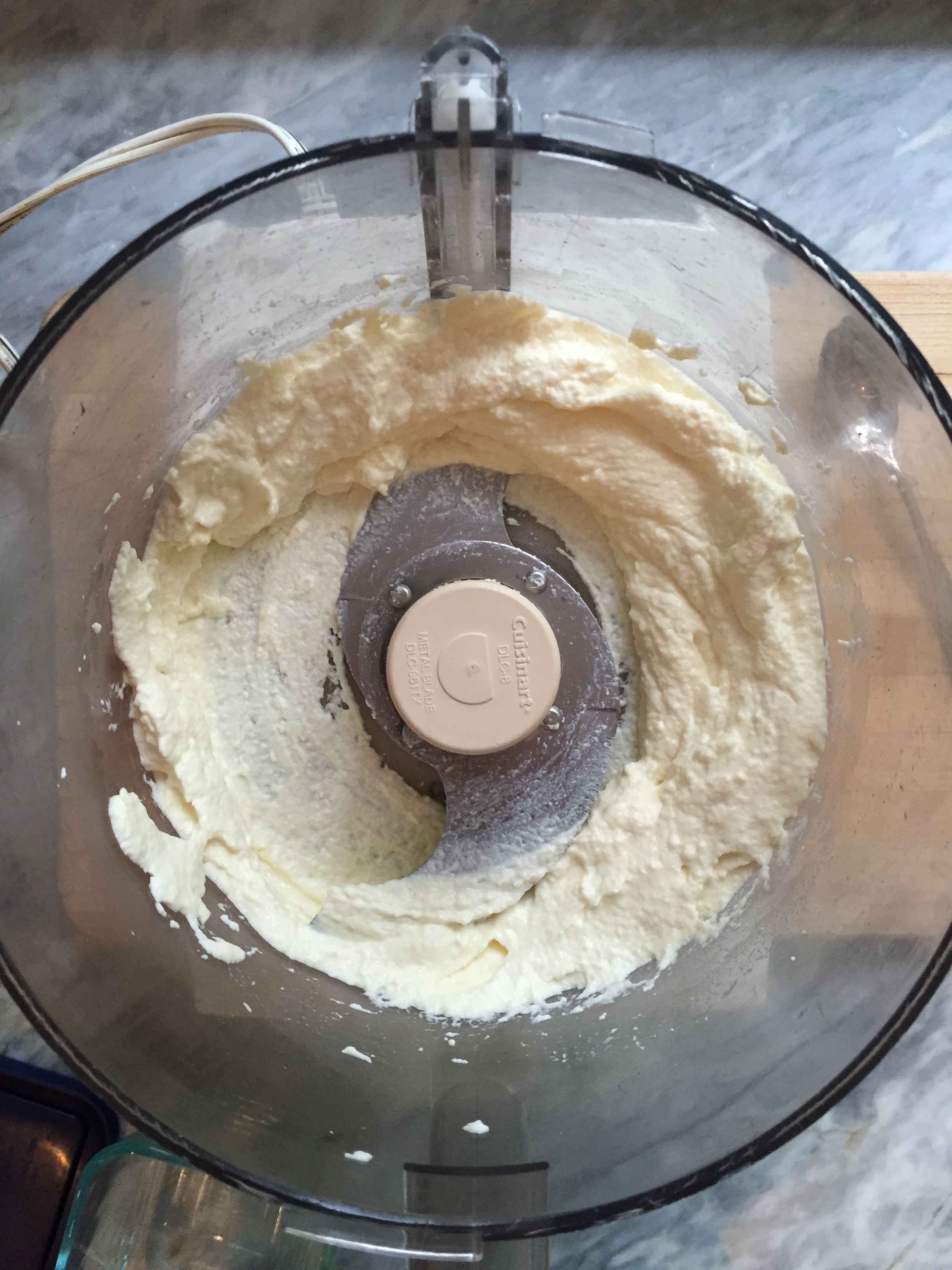
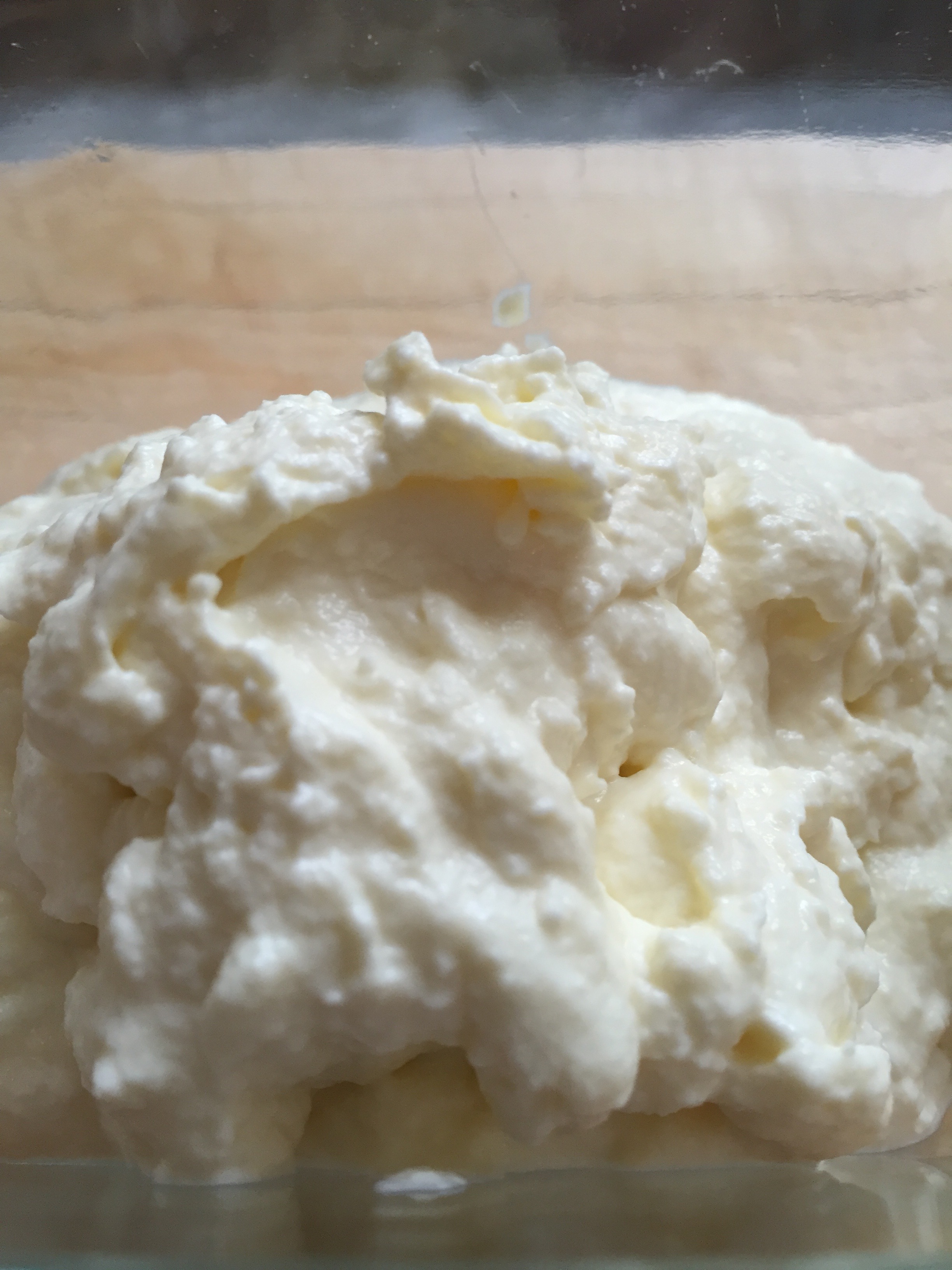
 tougher to find suet (NOT the kind you get at the garden store to feed the birds). I actually stumbled across some quite by chance at a butcher shop in Boston just a couple of weeks ago. The other ingredients are pretty standard pantry items, and though it’s a two day process, most of the time is hands-off and the technique is very easy. Once the mixture is in the molds, they are steamed for a couple of hours and cooled. After cooling, they are removed from the molds. The molds are washed, the puddings rewrapped in clean parchment, returned to the molds, splashed with more brandy, and tucked away in the fridge until Christmas Day. Before serving, the pudding is steamed again to warm through. Hard Sauce is passed along with it… a creamy combination of butter, confectioners sugar, and- you guessed it, more brandy!




































 White House Red Door